BRICKWORKS & POTTERIES OF THE IPSWICH (Qld) REGION
Alister J Cameron
Sandstock Bricks
Traditional Sandstock Brick-Making
1. Clay is dug.
2. The clay is tempered by being well mixed, turned and soaked (approx. 24 hours). By then the clay is firm and good, ready for moulding.
3. A large piece is placed on a wooden table.
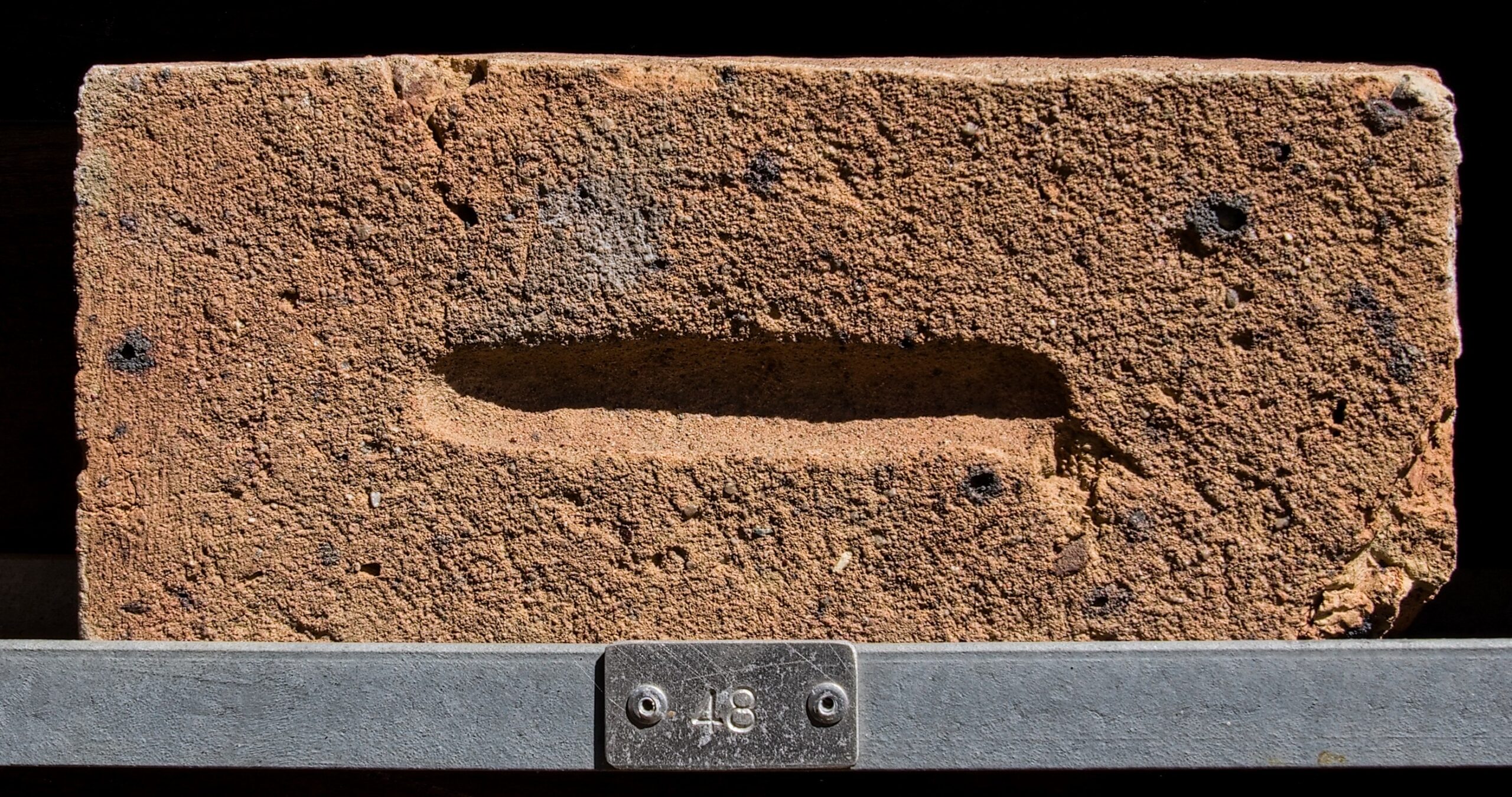
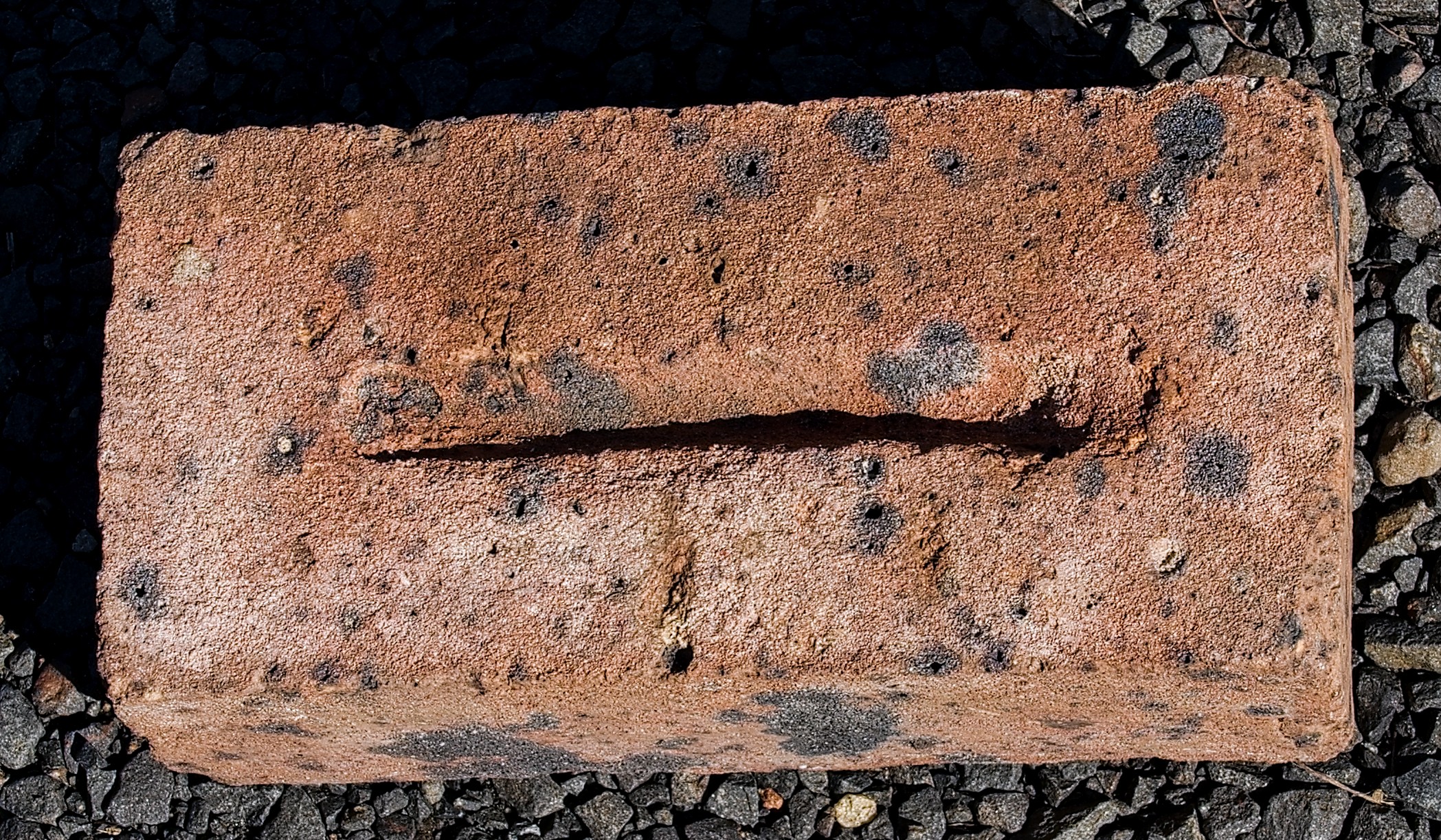
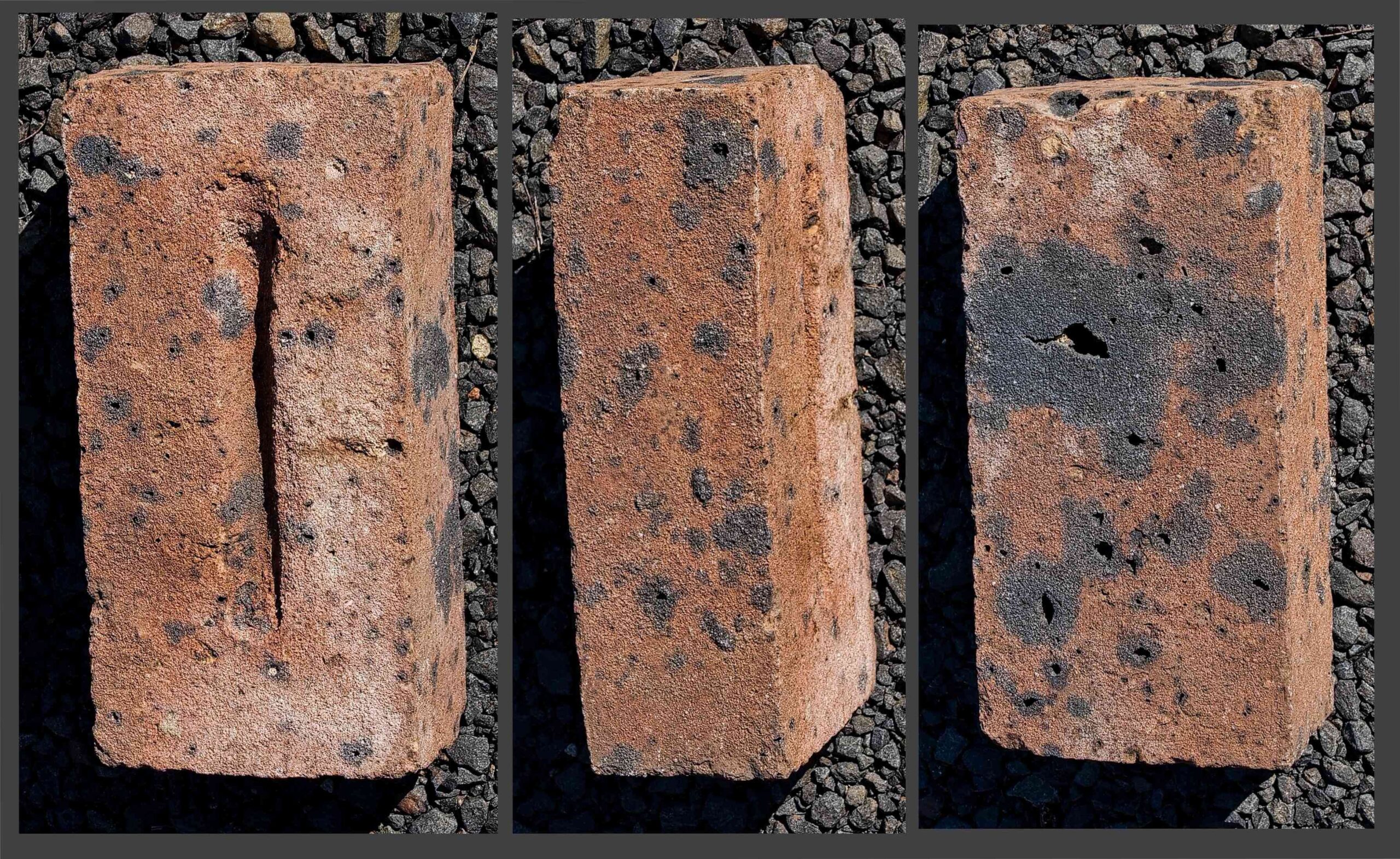
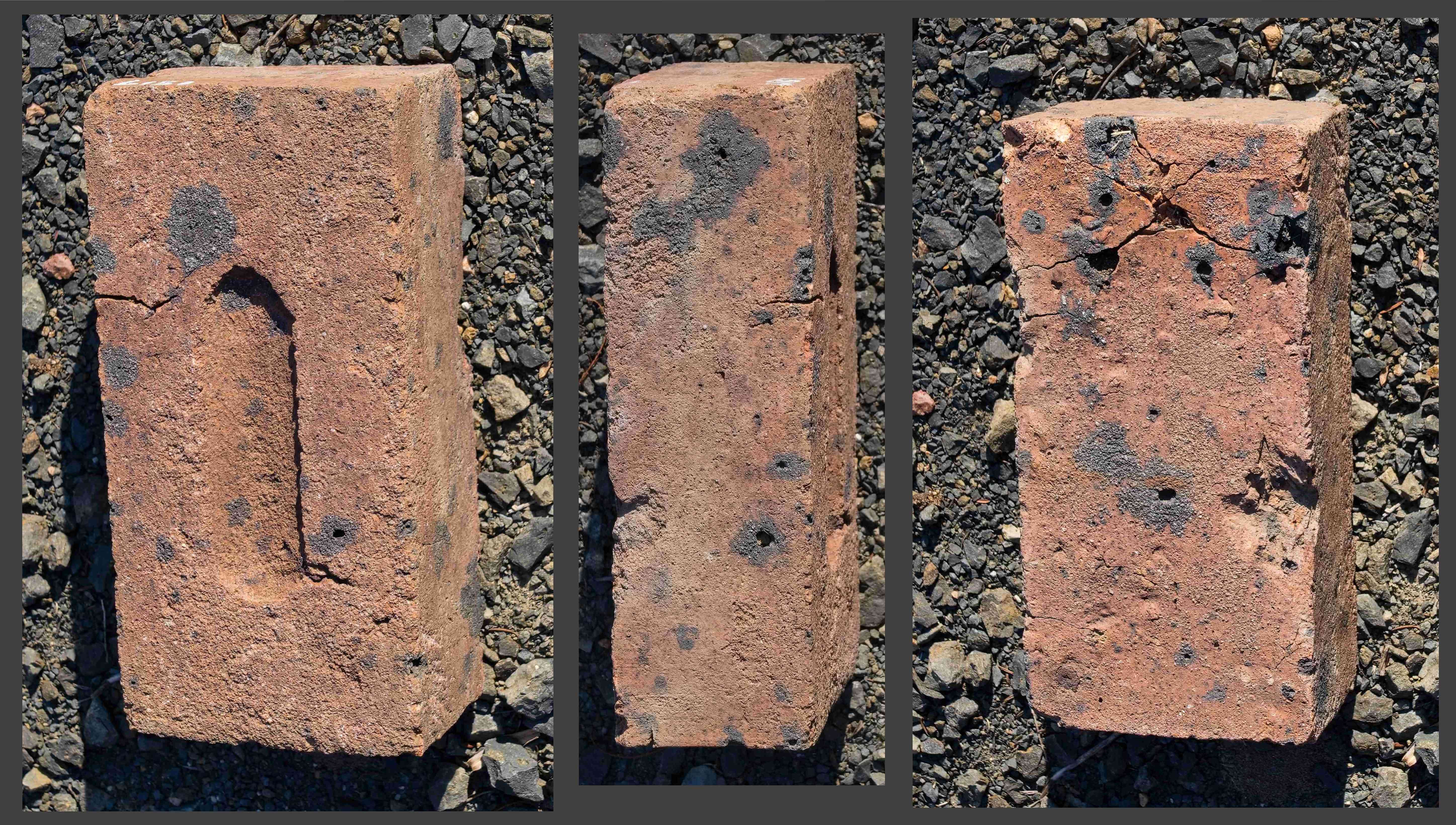
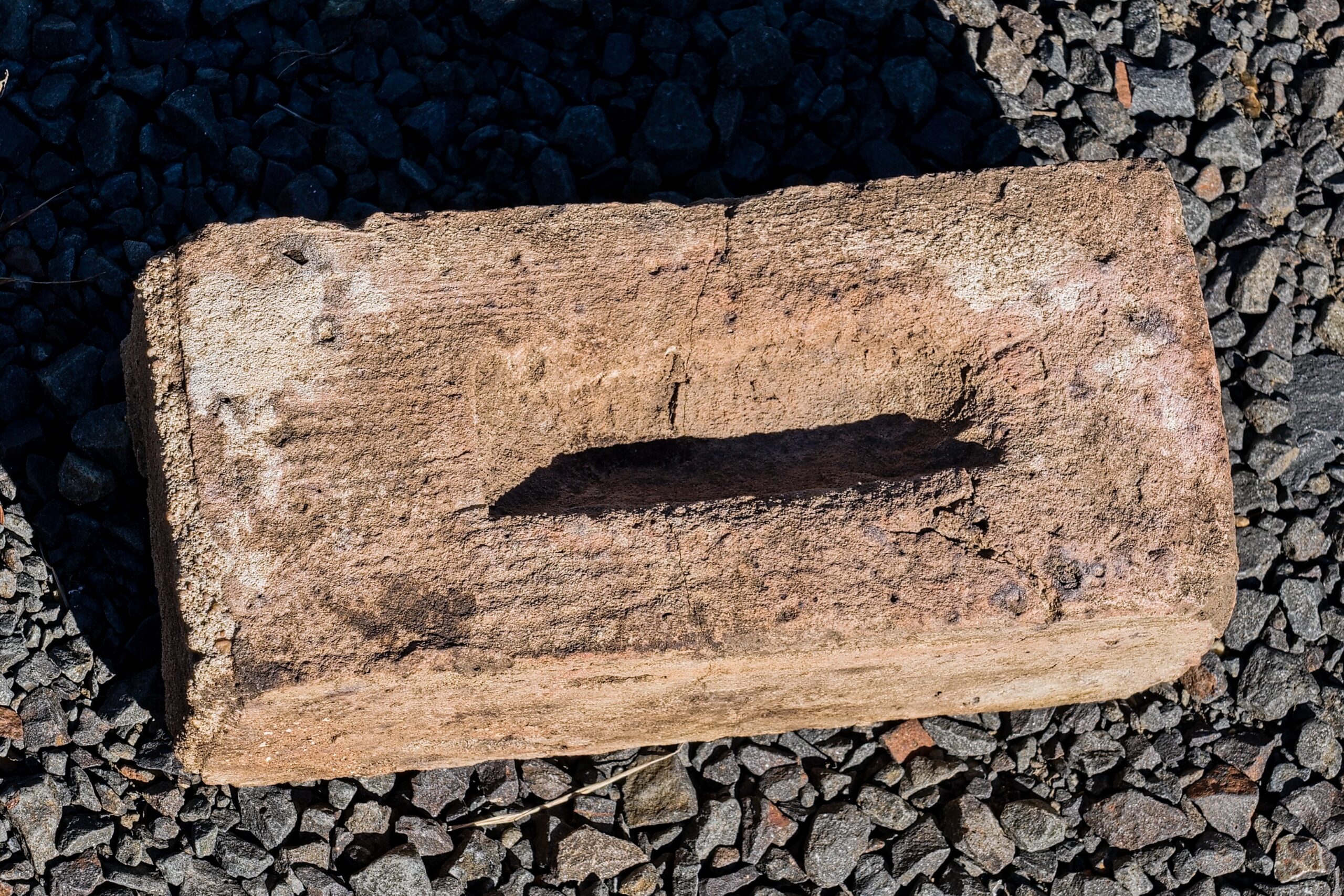
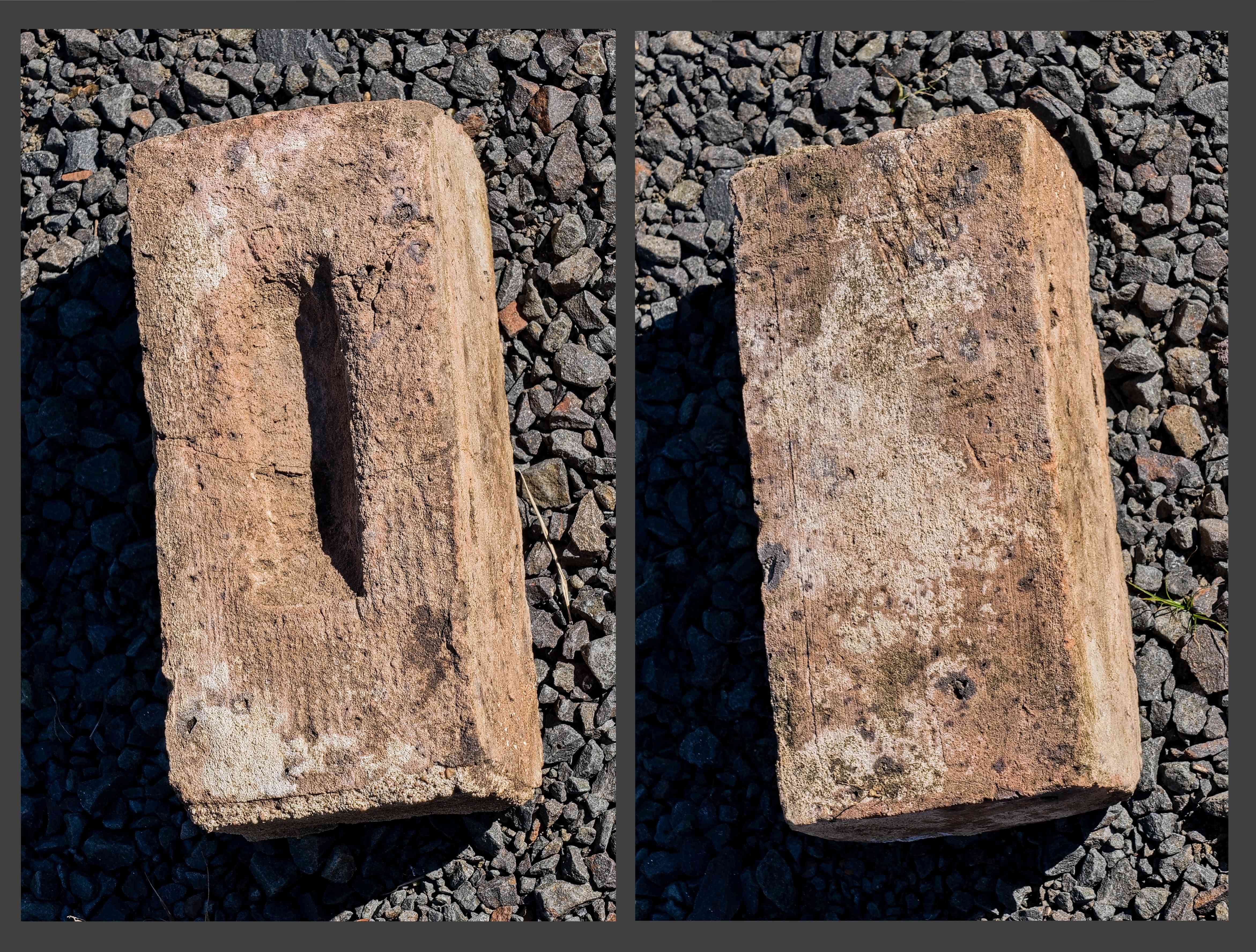
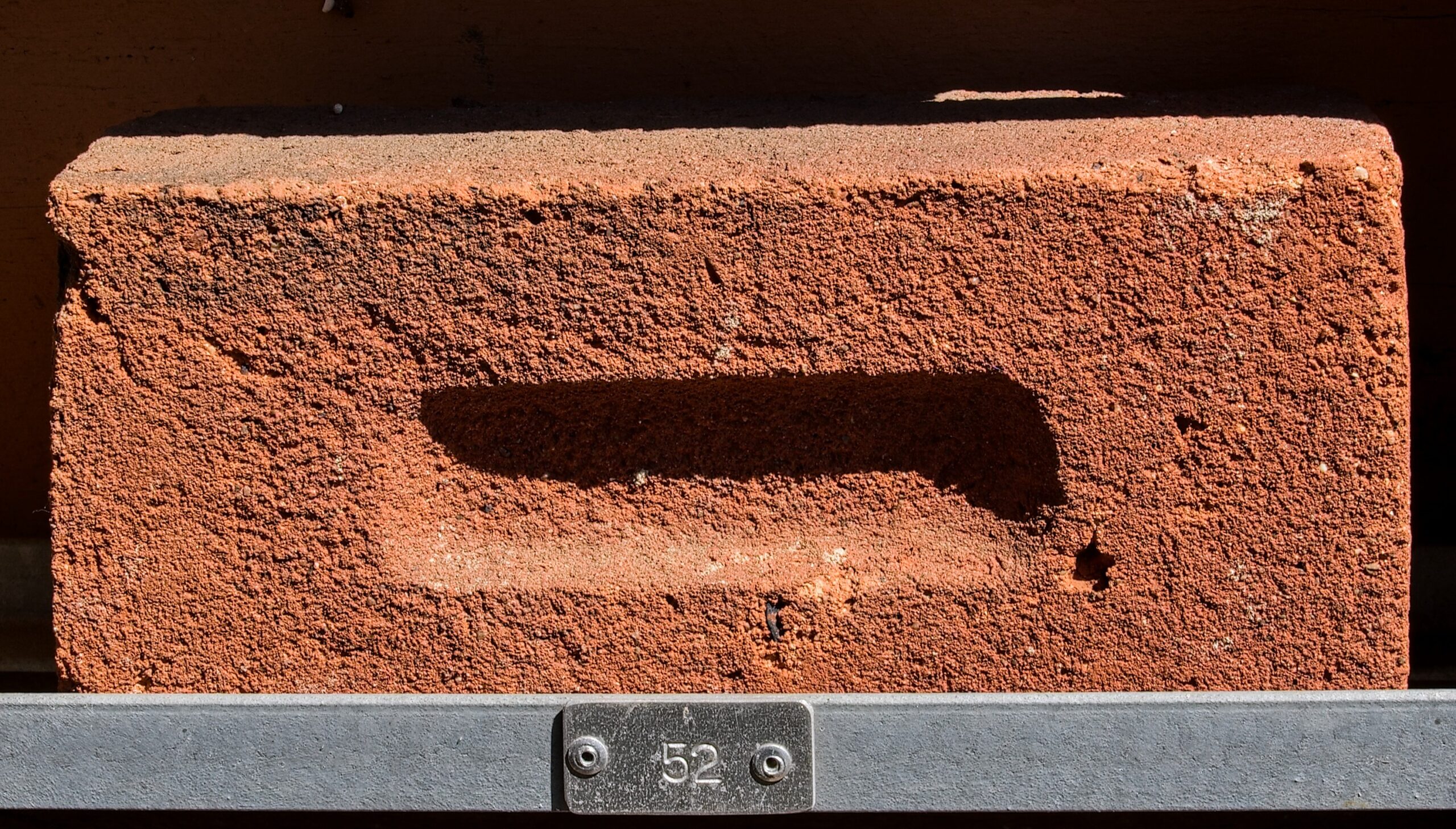
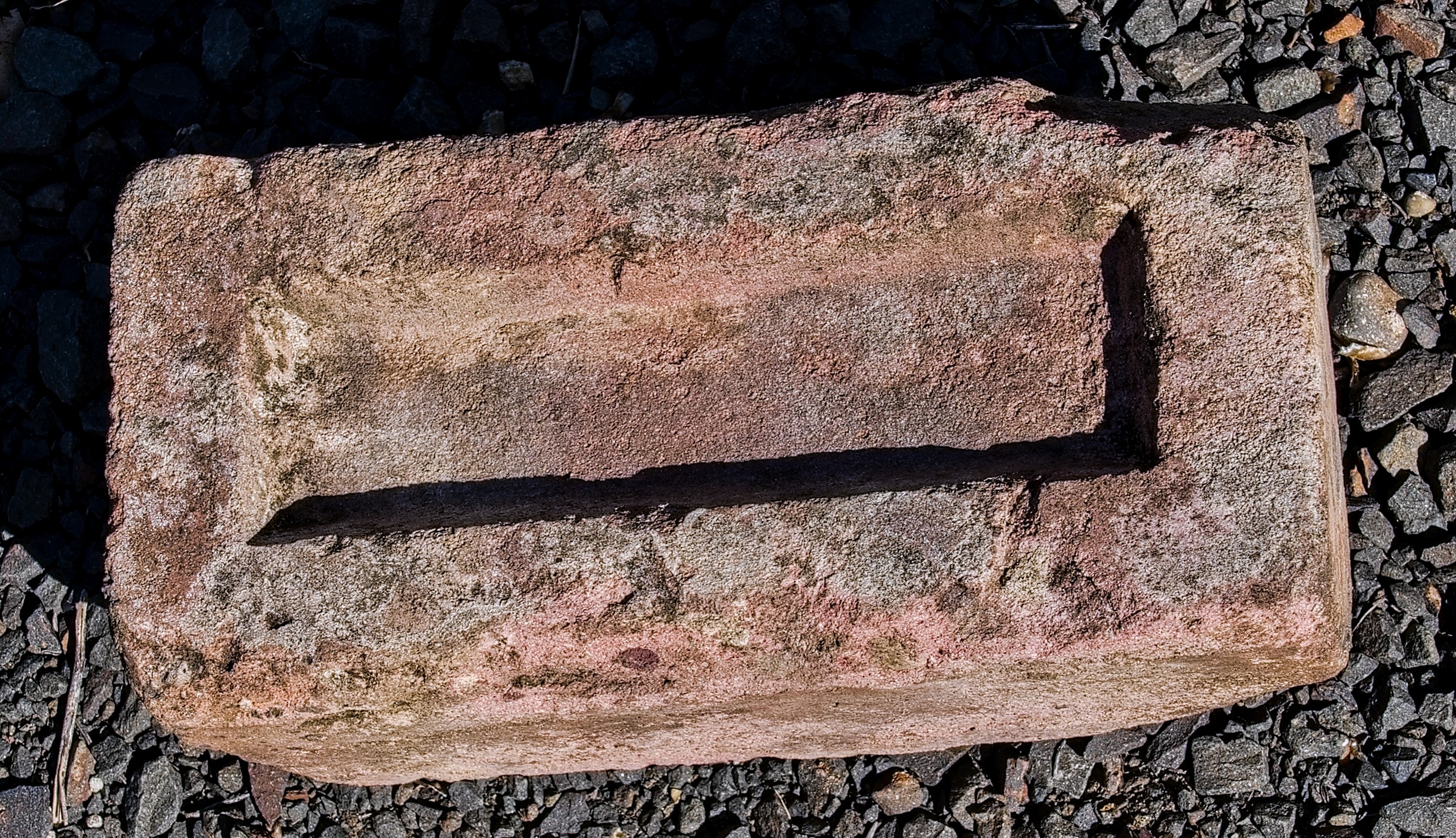
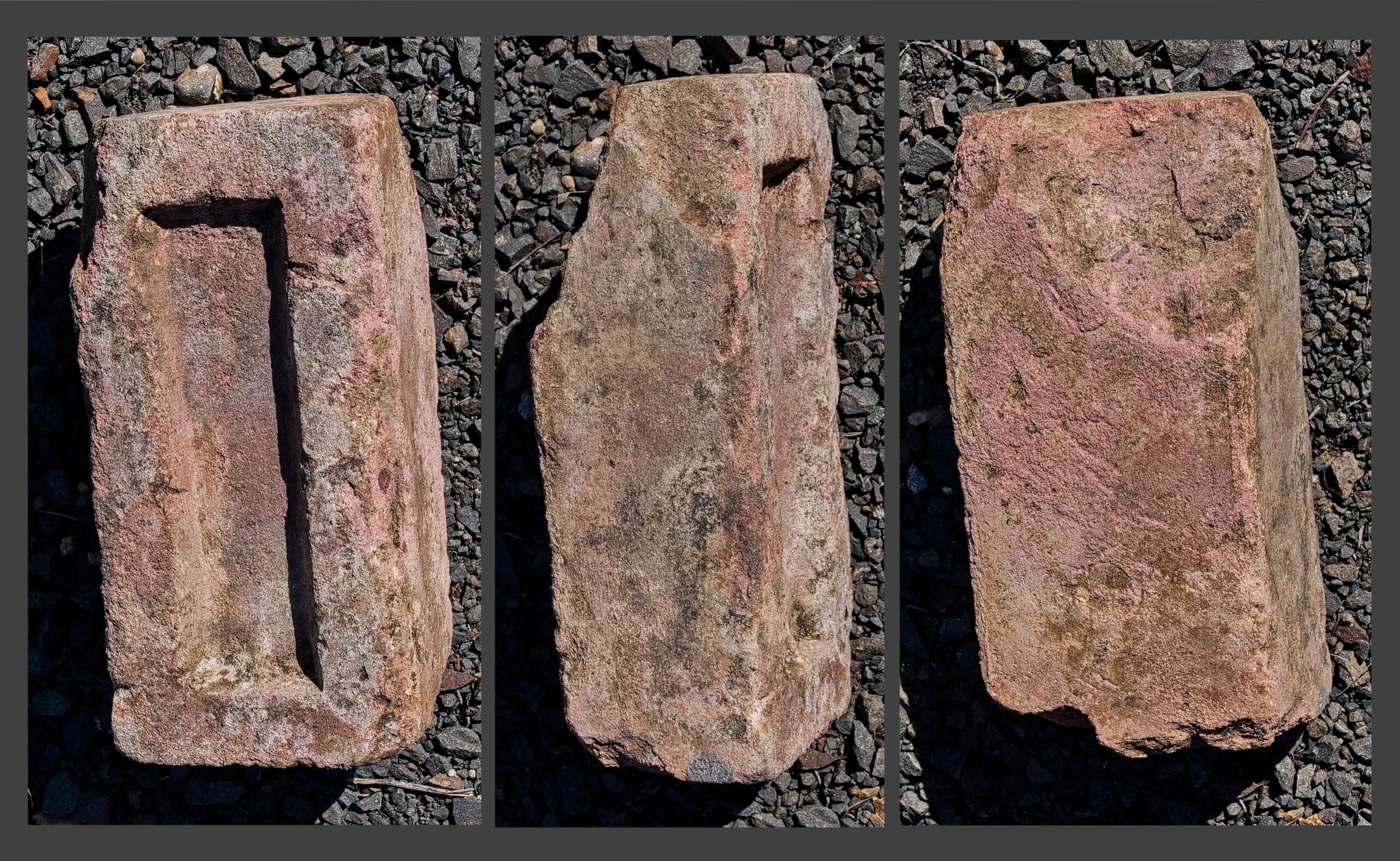
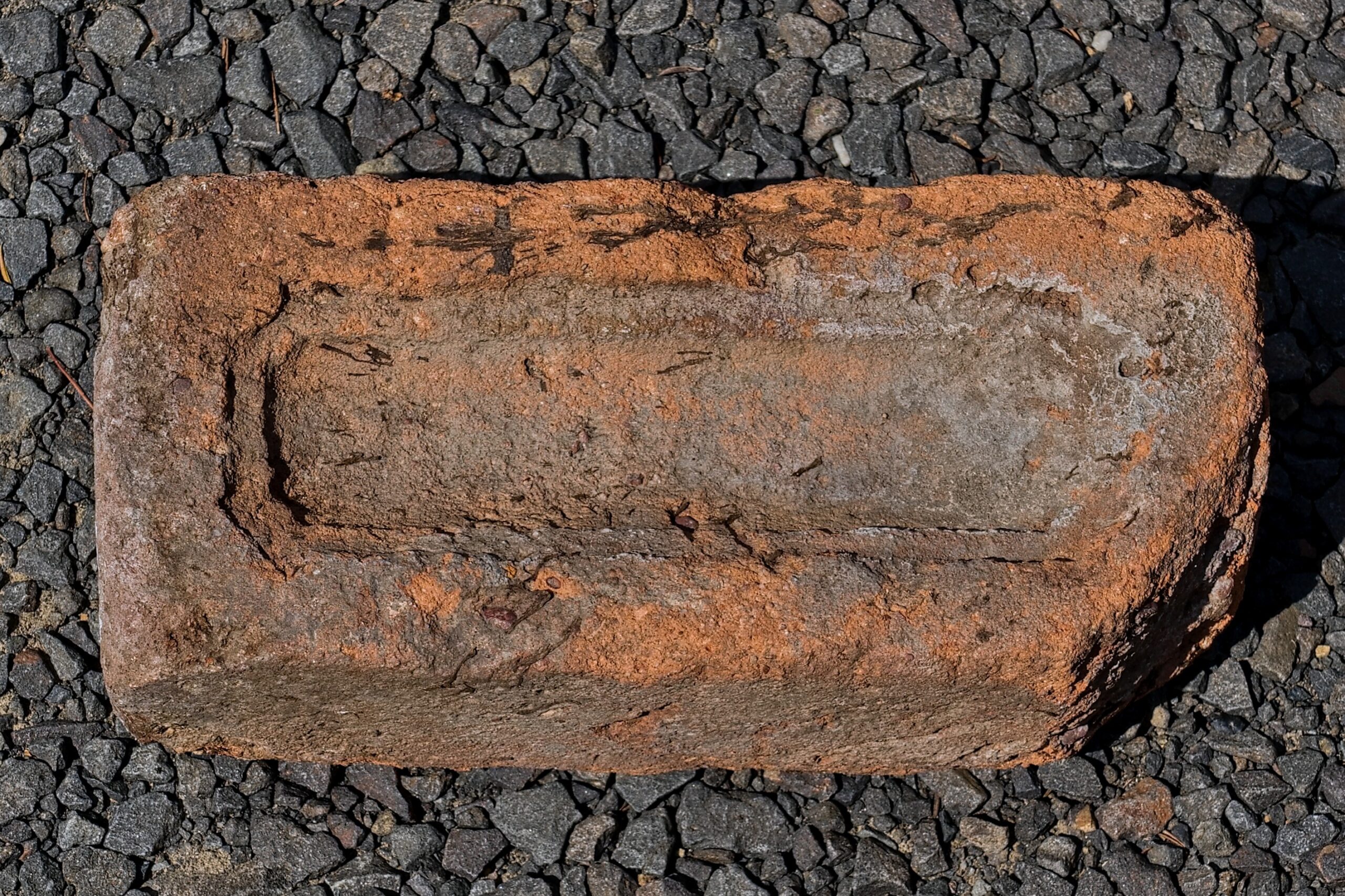
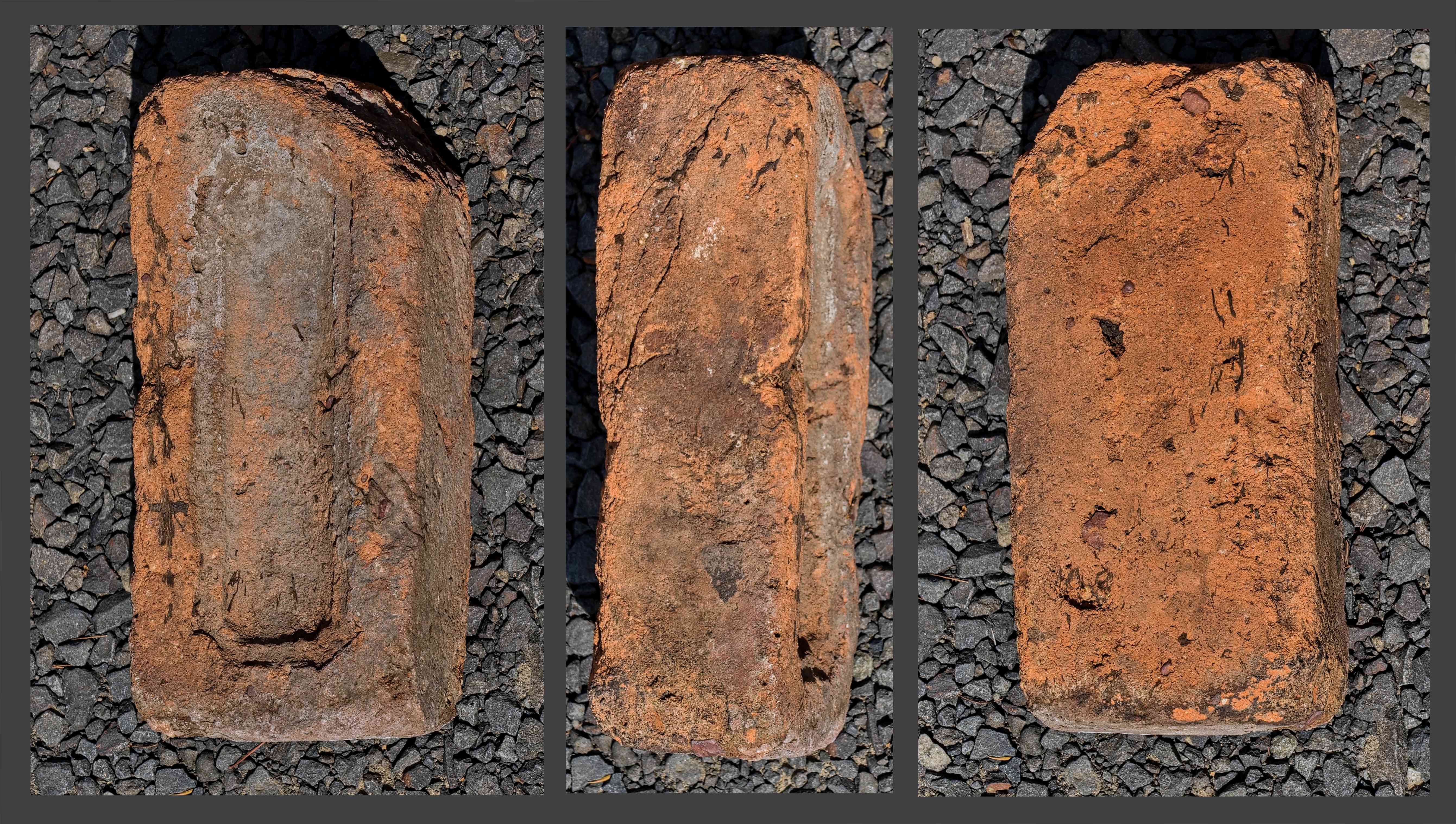
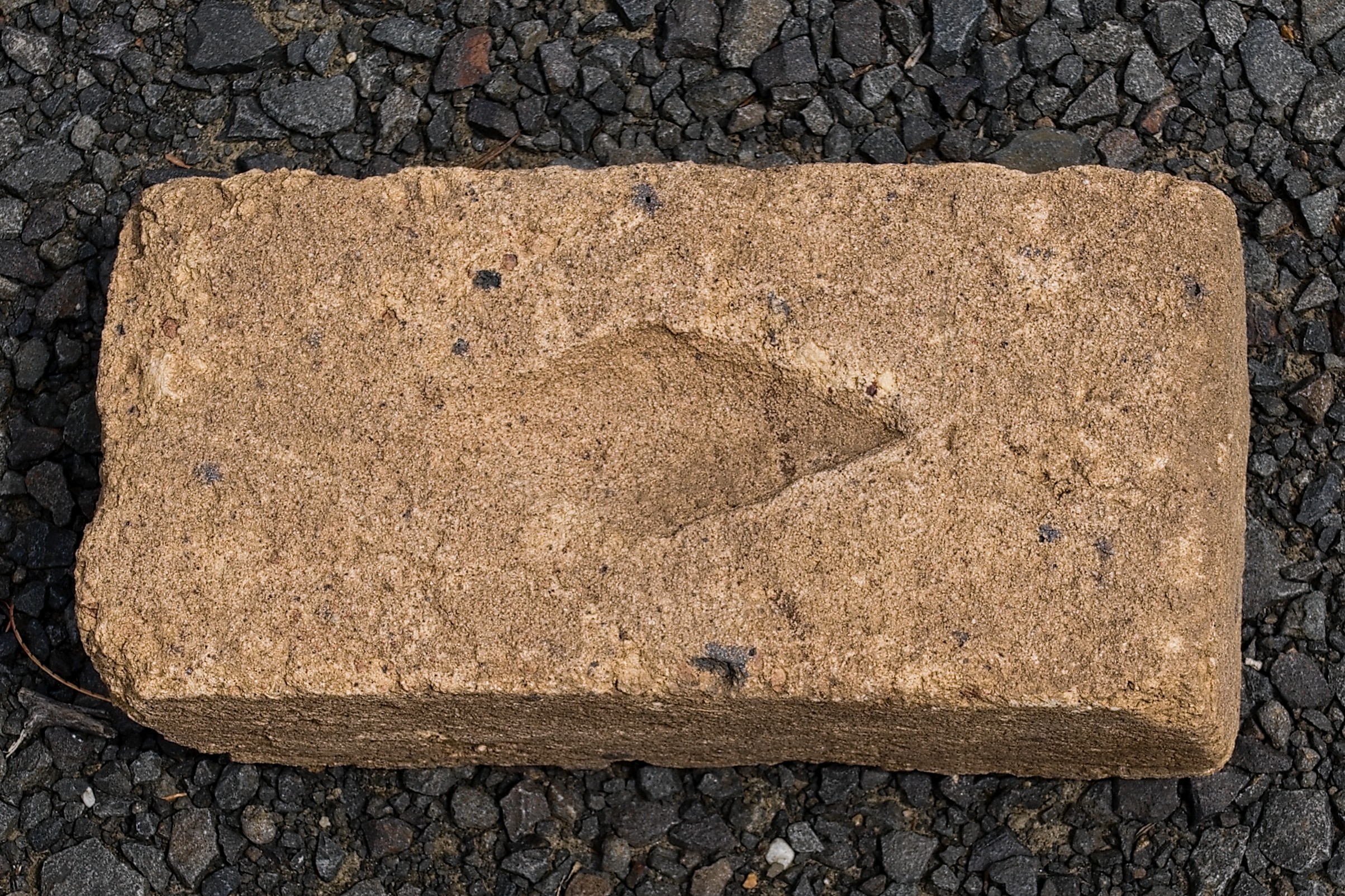
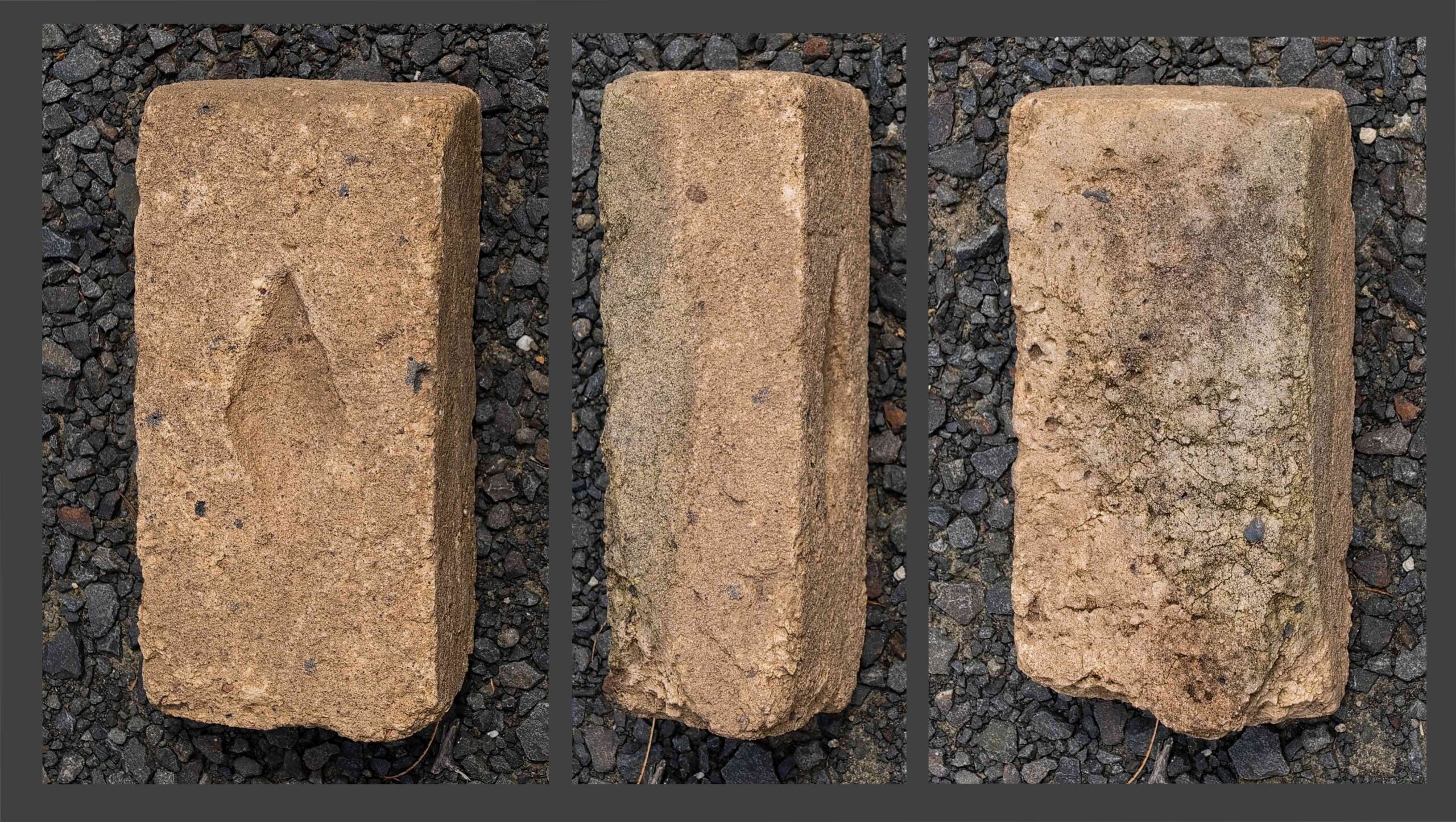
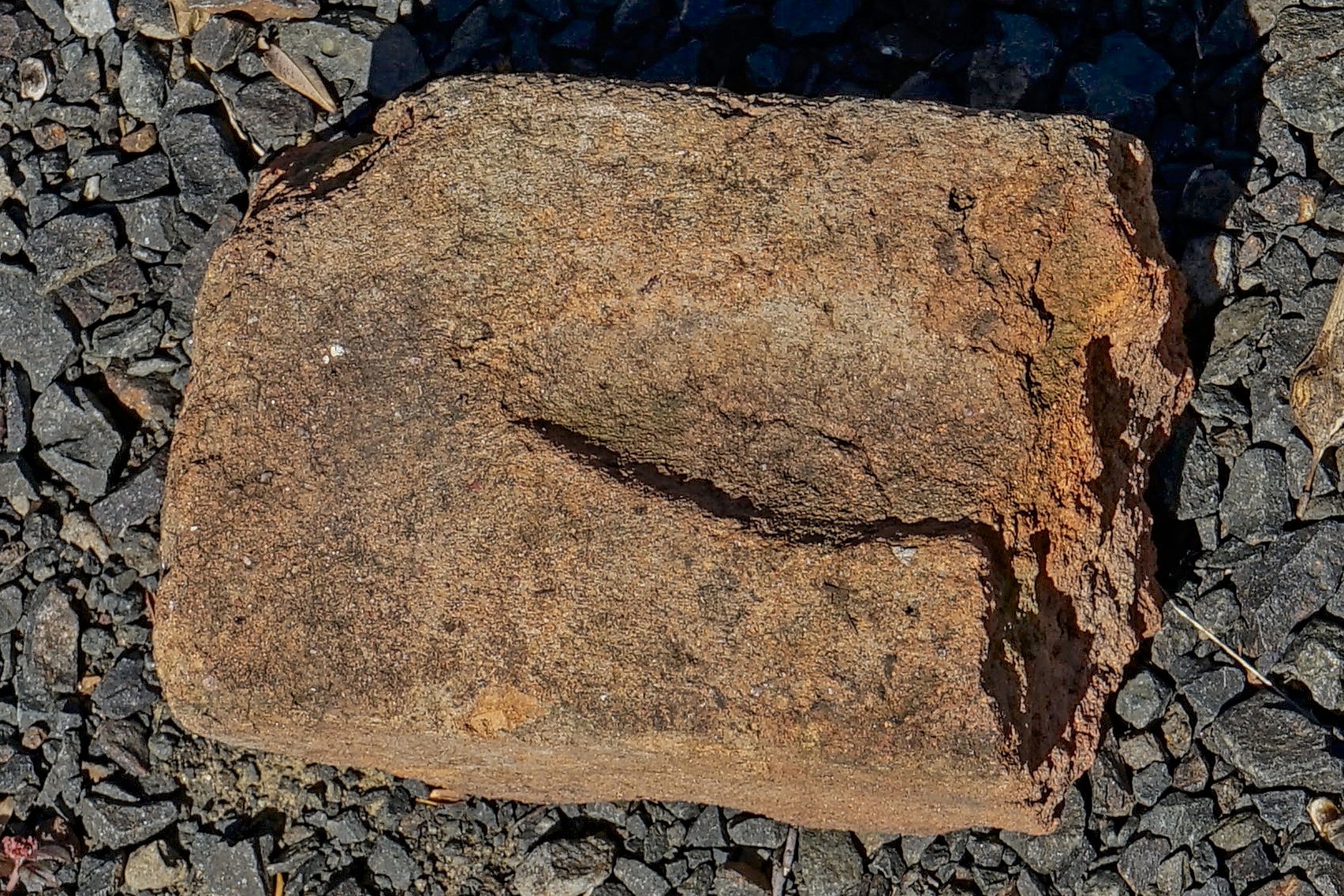
4. A portion is severed off and flopped into an oblong wooden frame, which has been previously sanded. At the bottom of the frame, and fastened to the table, is a projecting, bevelled, piece of wood which causes an indentation (frog).
5. The surface of the mould is scraped to remove superfluous clay and make the brick even.
6. The brick is allowed to fall gently out of the mould, on to a small board on a side-less wheelbarrow.
7. When the load is full, it is wheeled to the drying ground and eventually arranged in ‘hacks’. These are covered with straw to protect them from the weather. This takes a few days in fine weather.
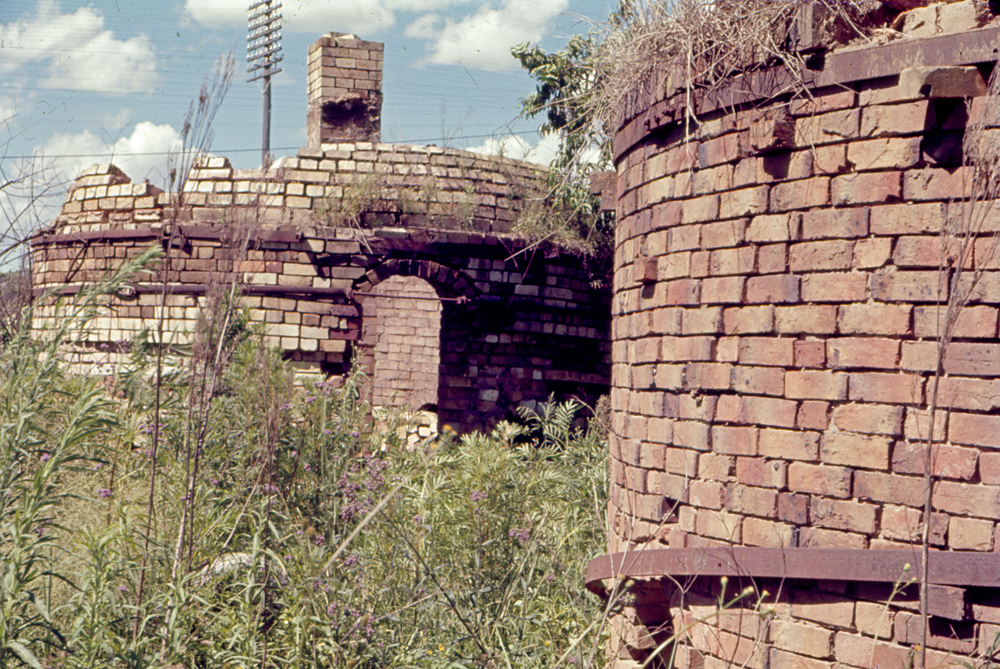
8. Openings are left between the bricks for ventilation and they are built up in such a way that fires can be made underneath them. When the fuel has been thoroughly ignited the openings are plastered up; leaving provision for plentiful draught. (Question: were the bricks placed in a kiln or did they become a kiln in situ?)
9. After about 40 hours the kiln has been sufficiently burnt; and after cooling, the bricks are available for sale.
Summary of article on brick-making in the Qld Times, 8 November 1884
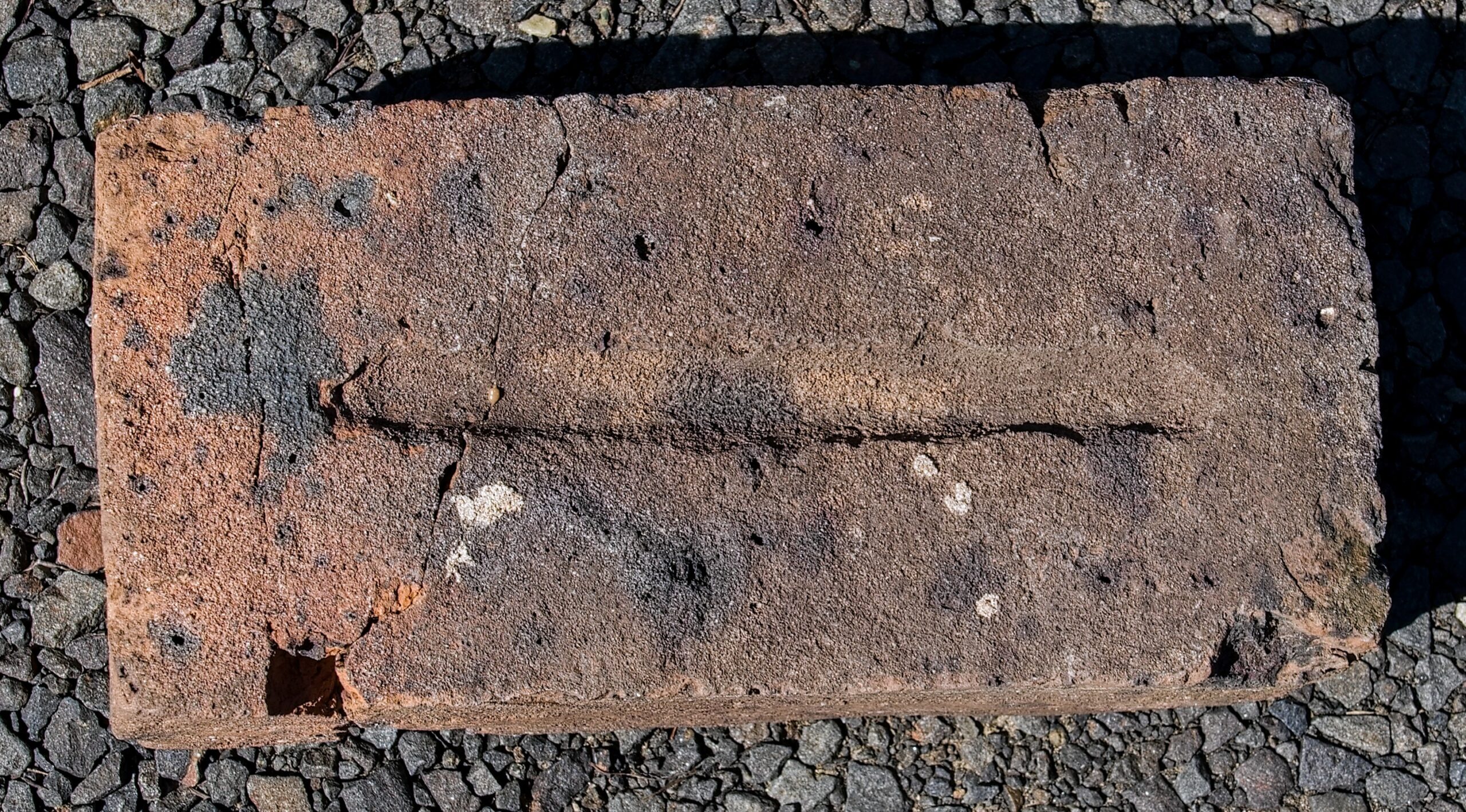
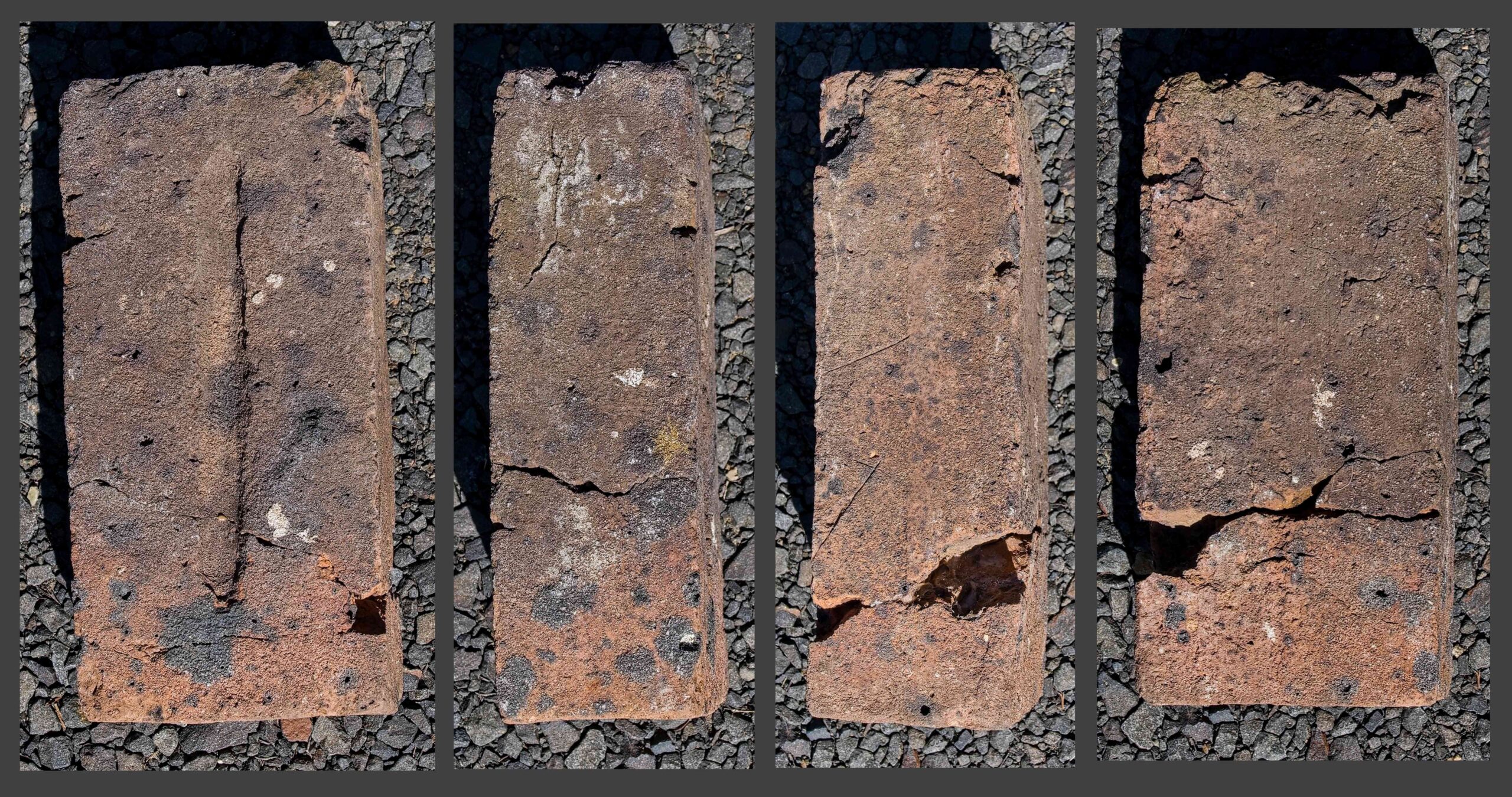
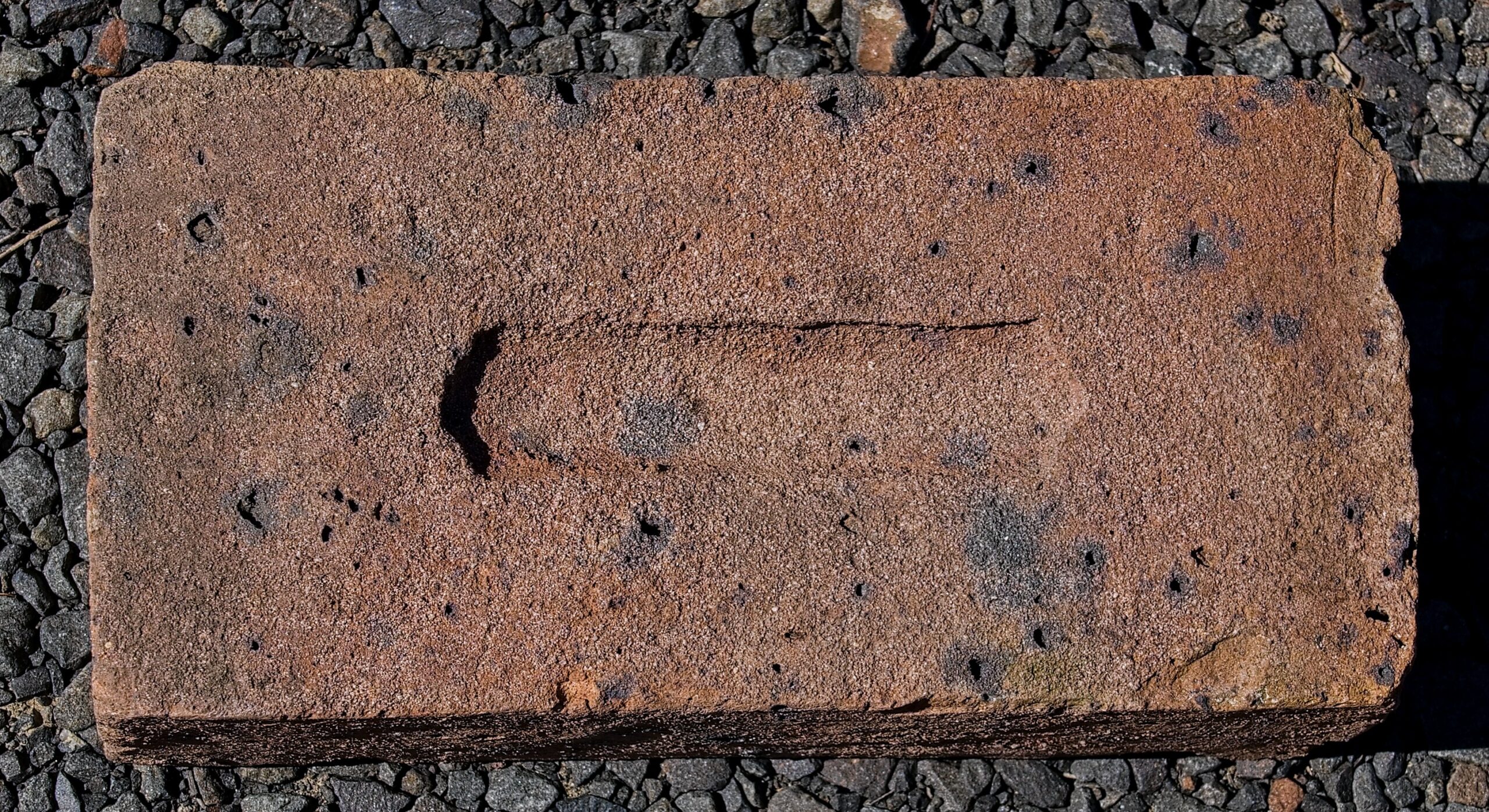
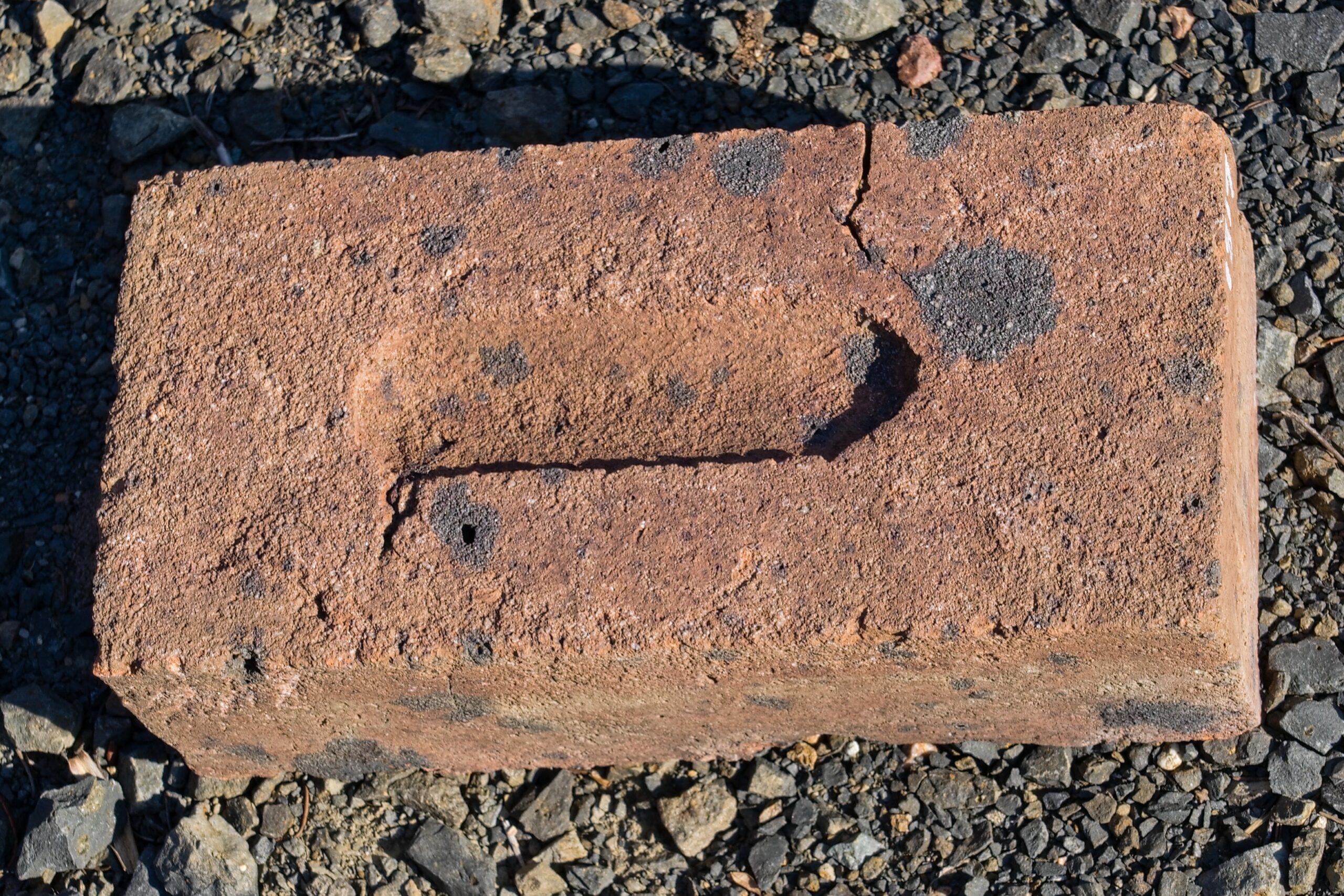
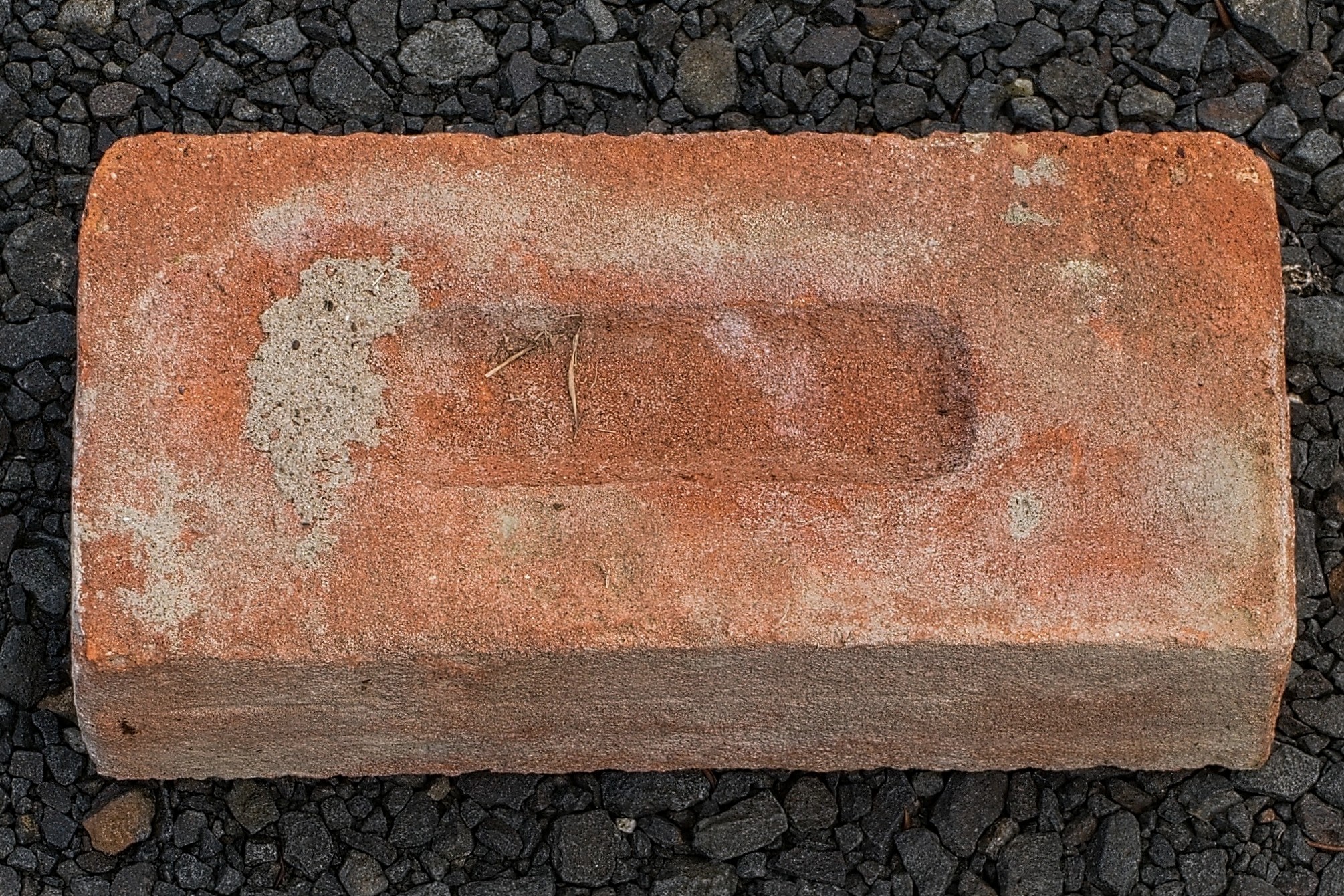
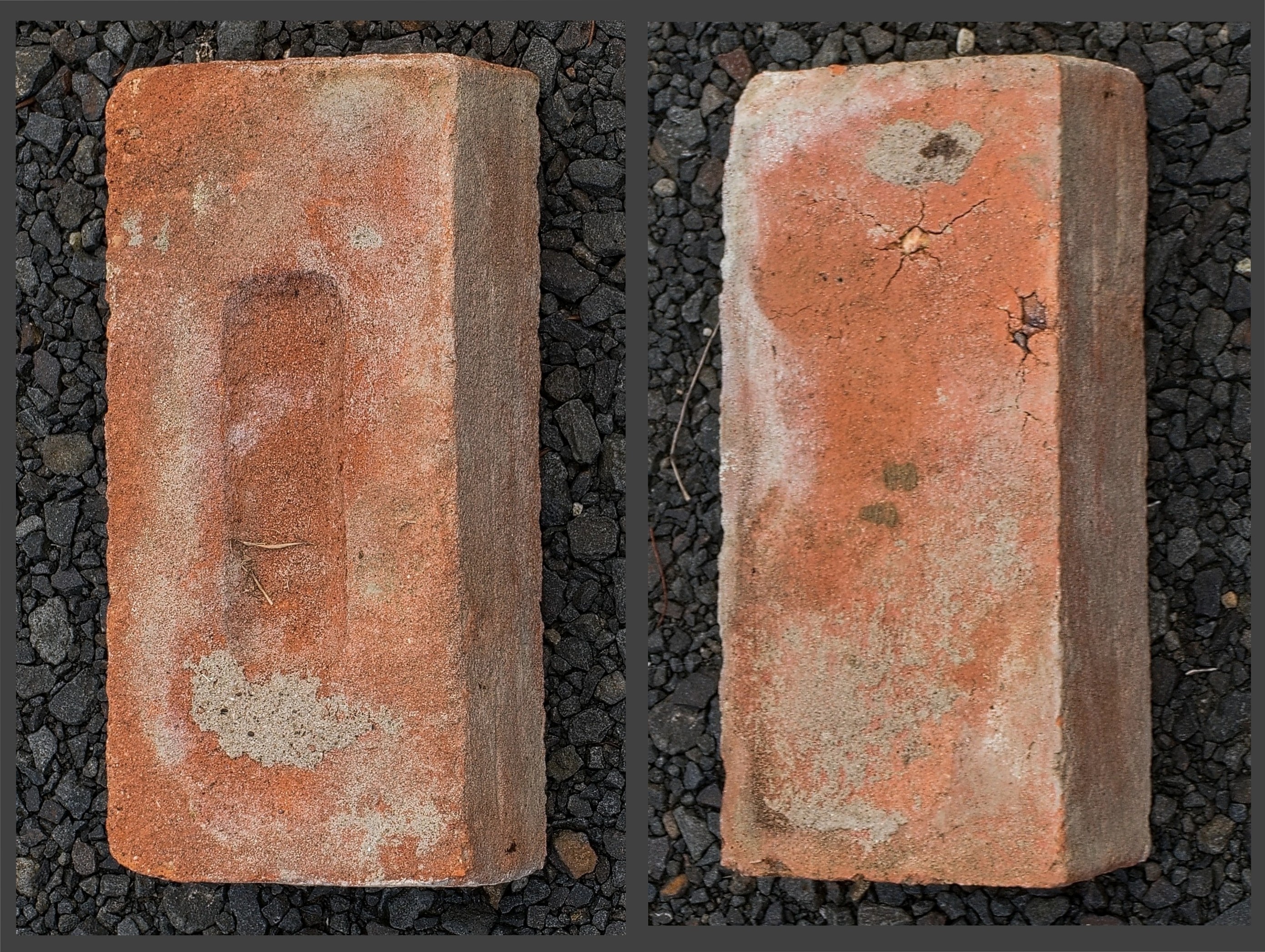
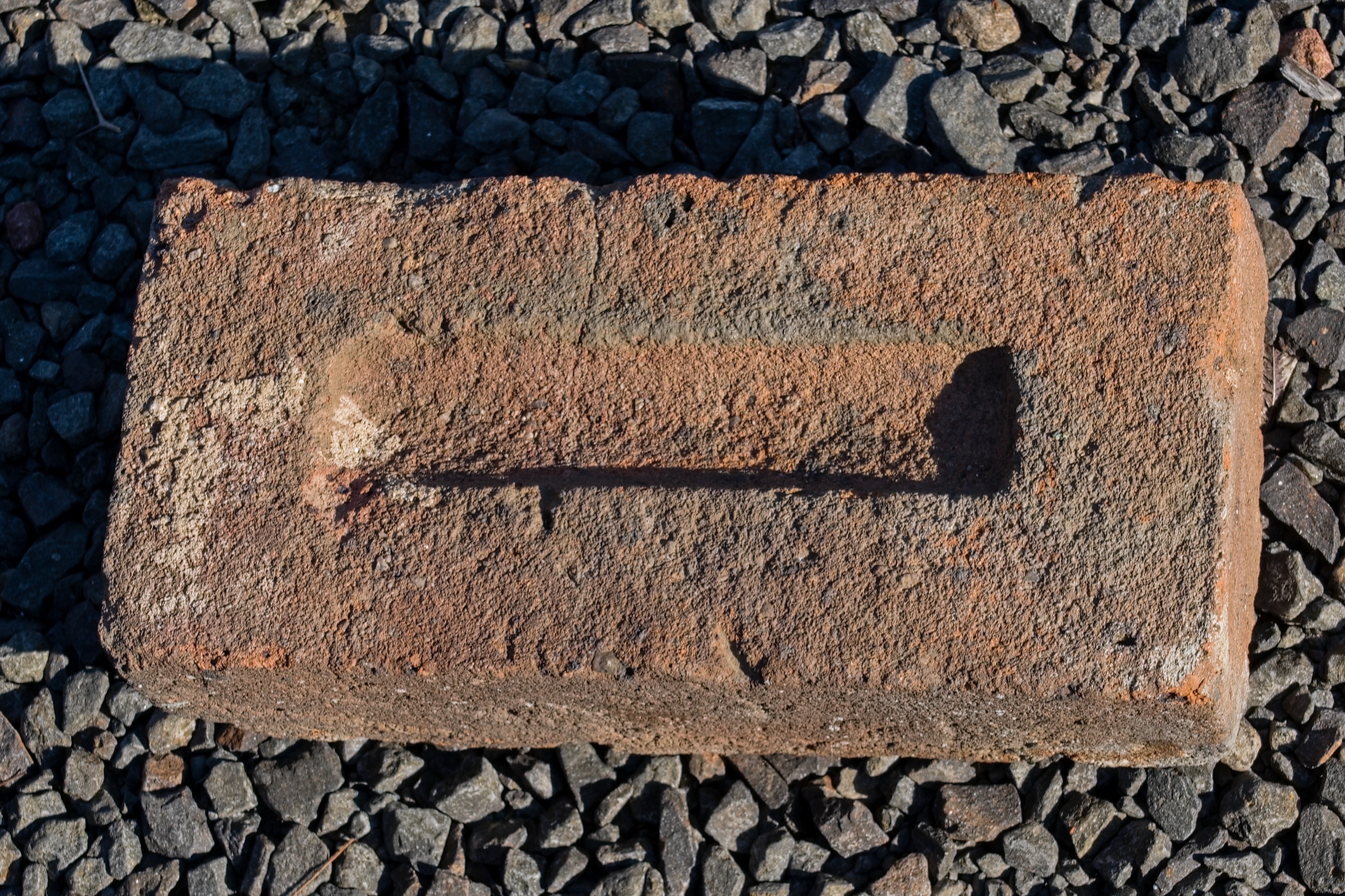
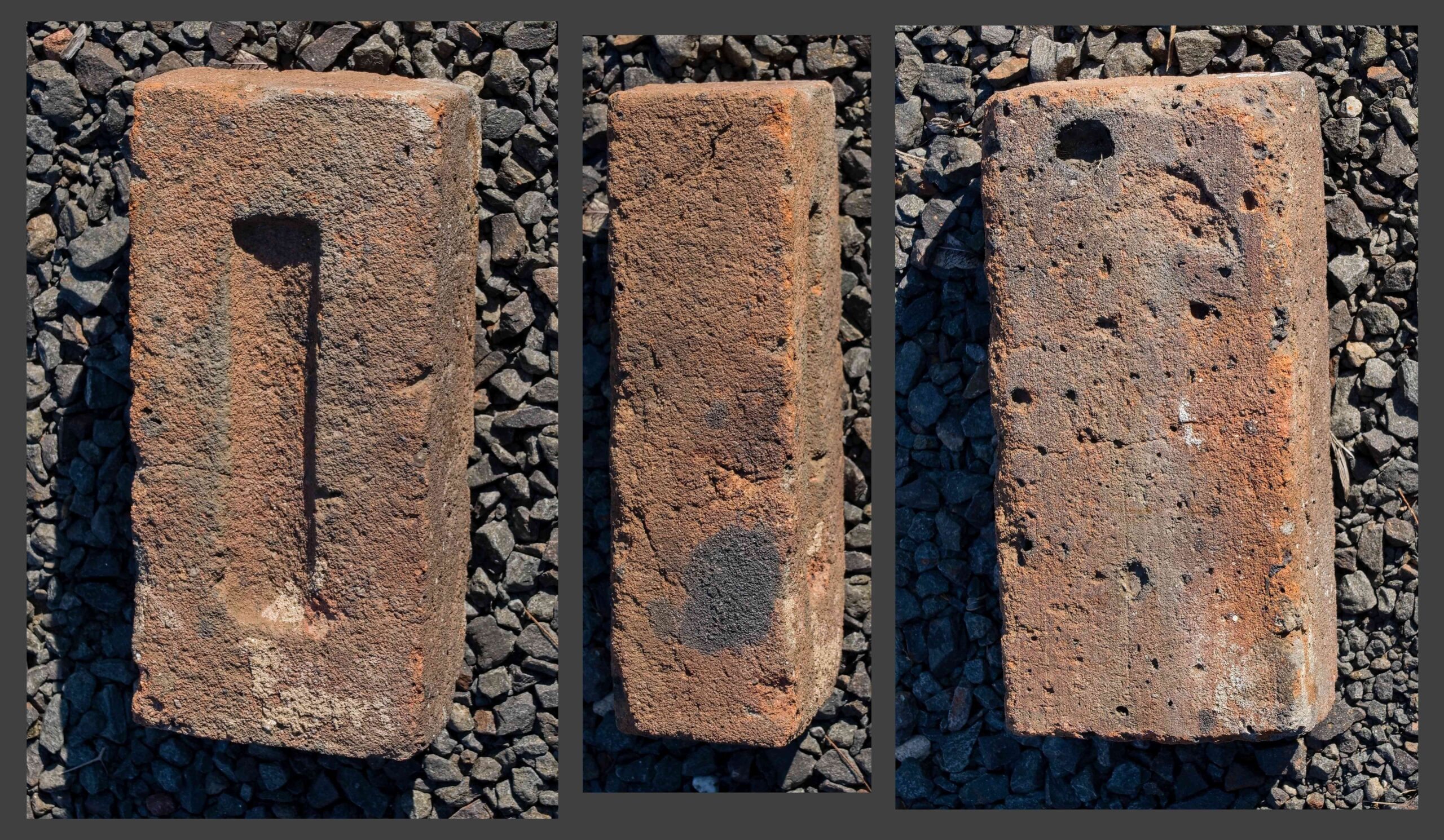
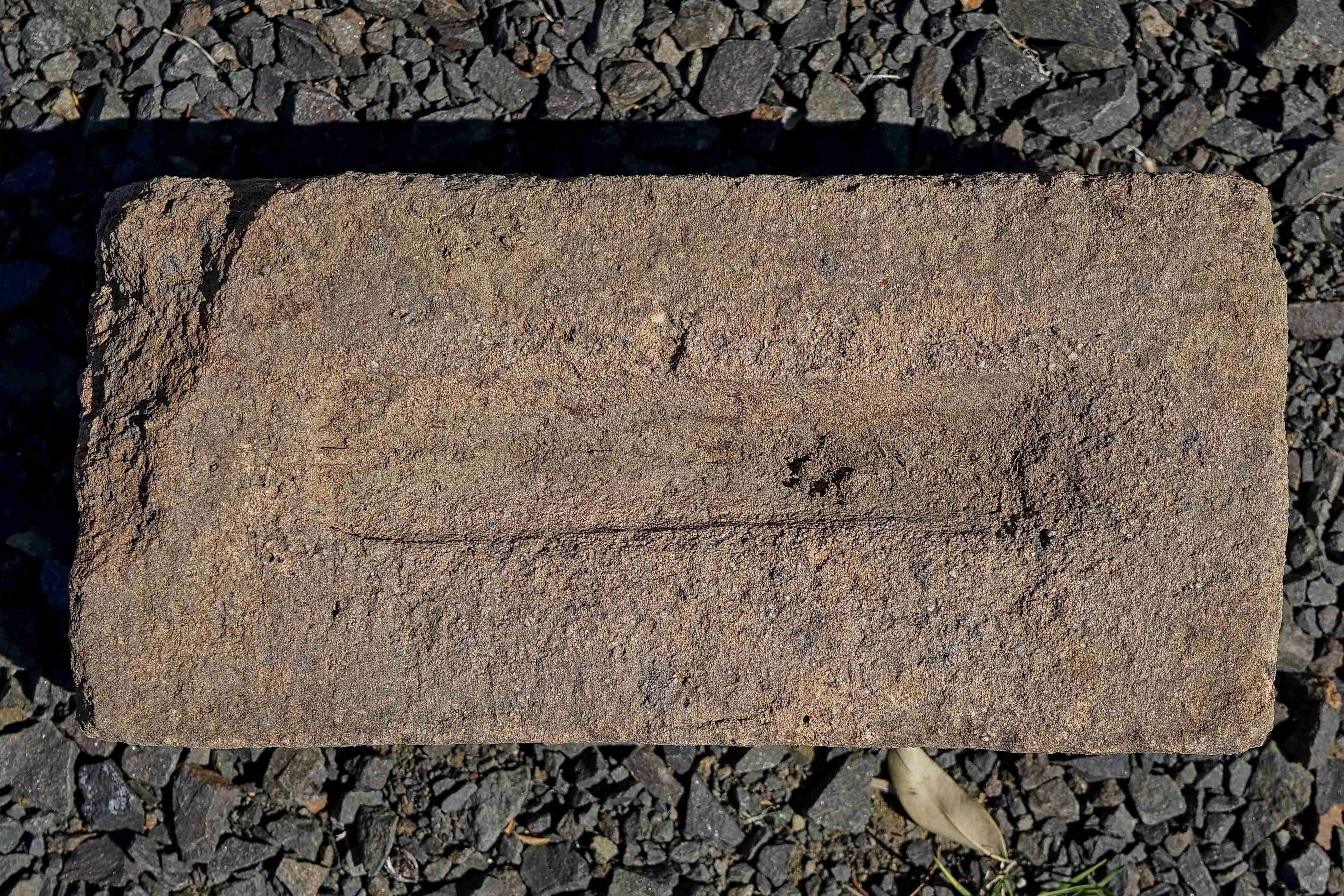
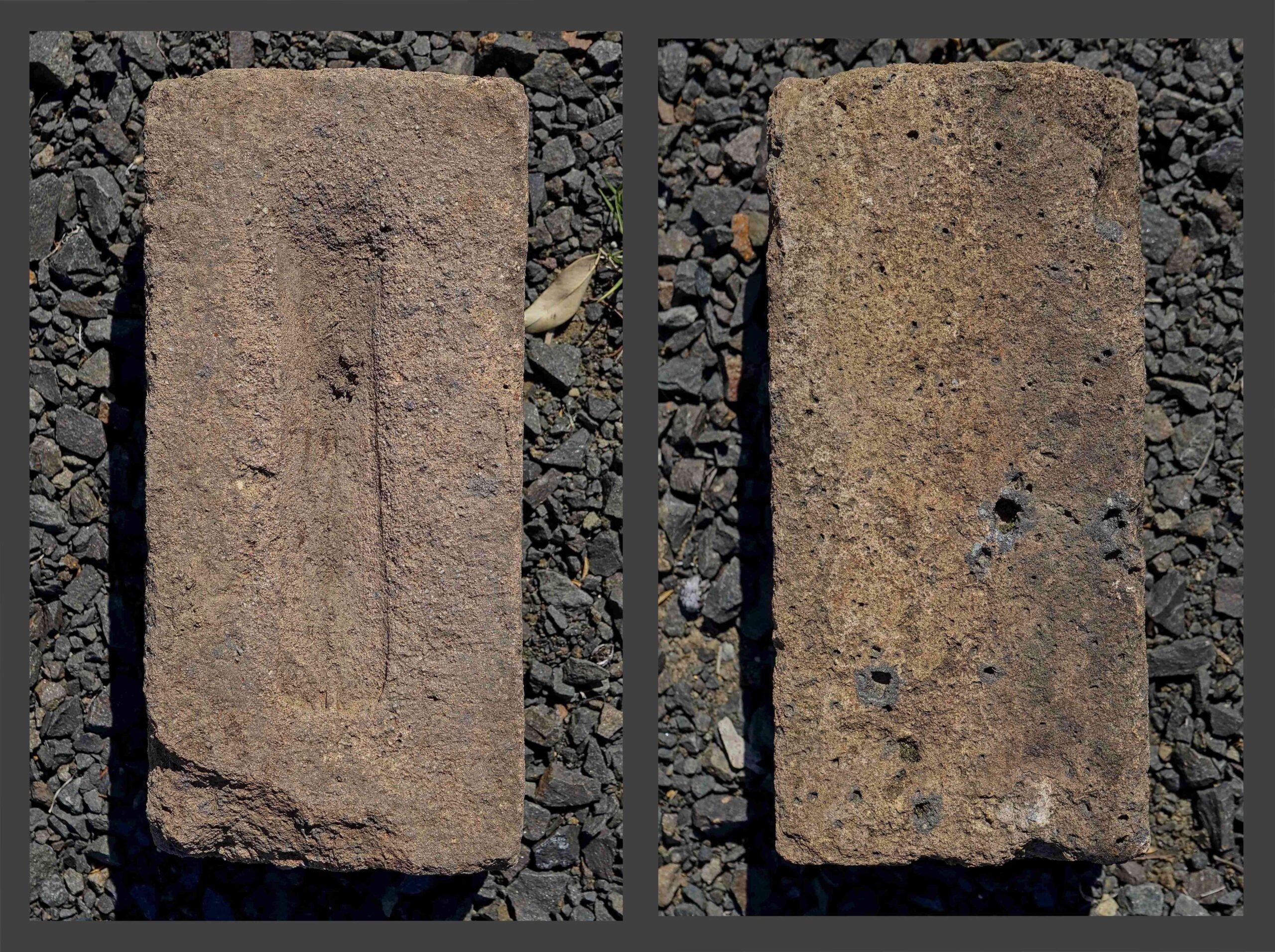
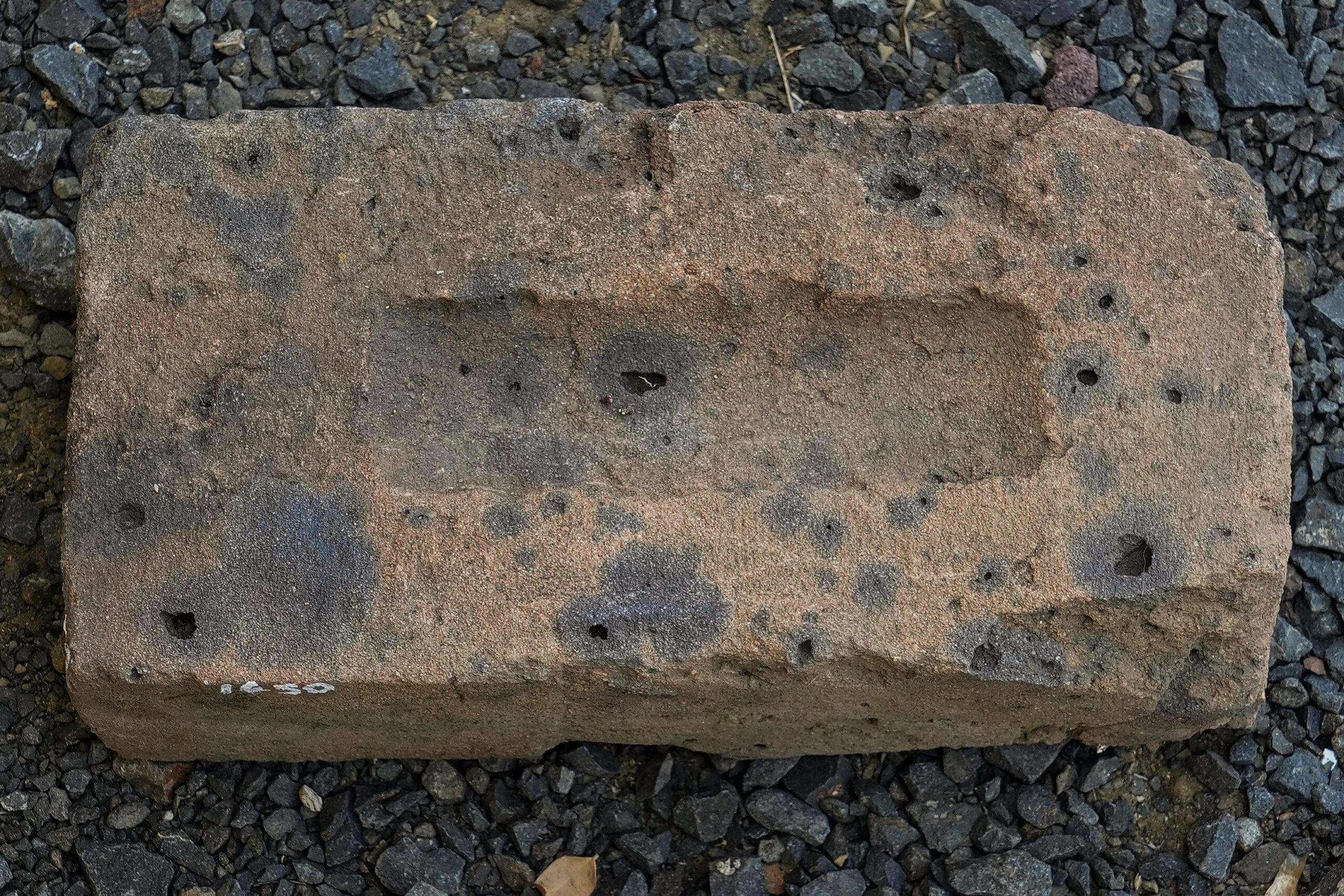
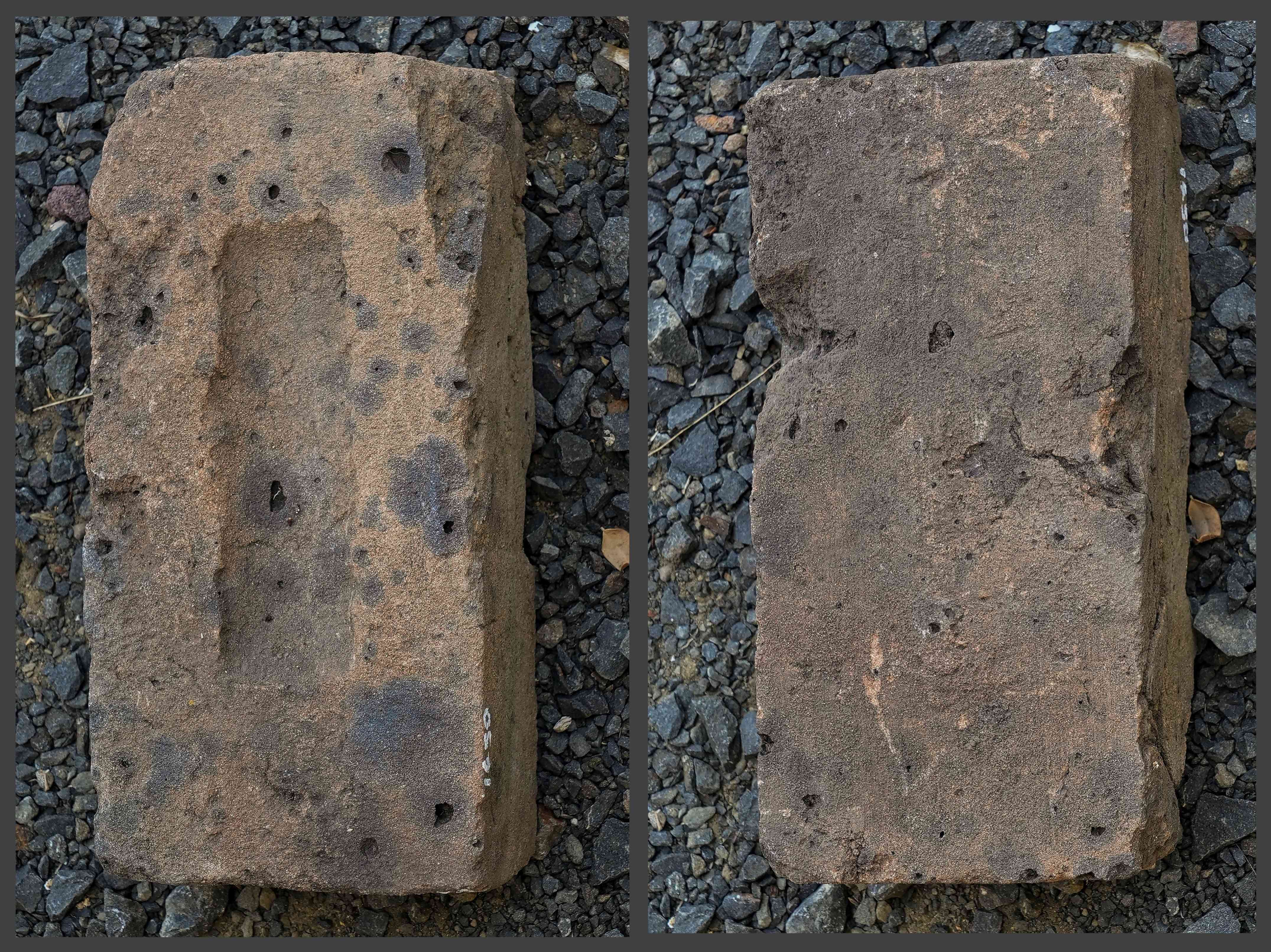
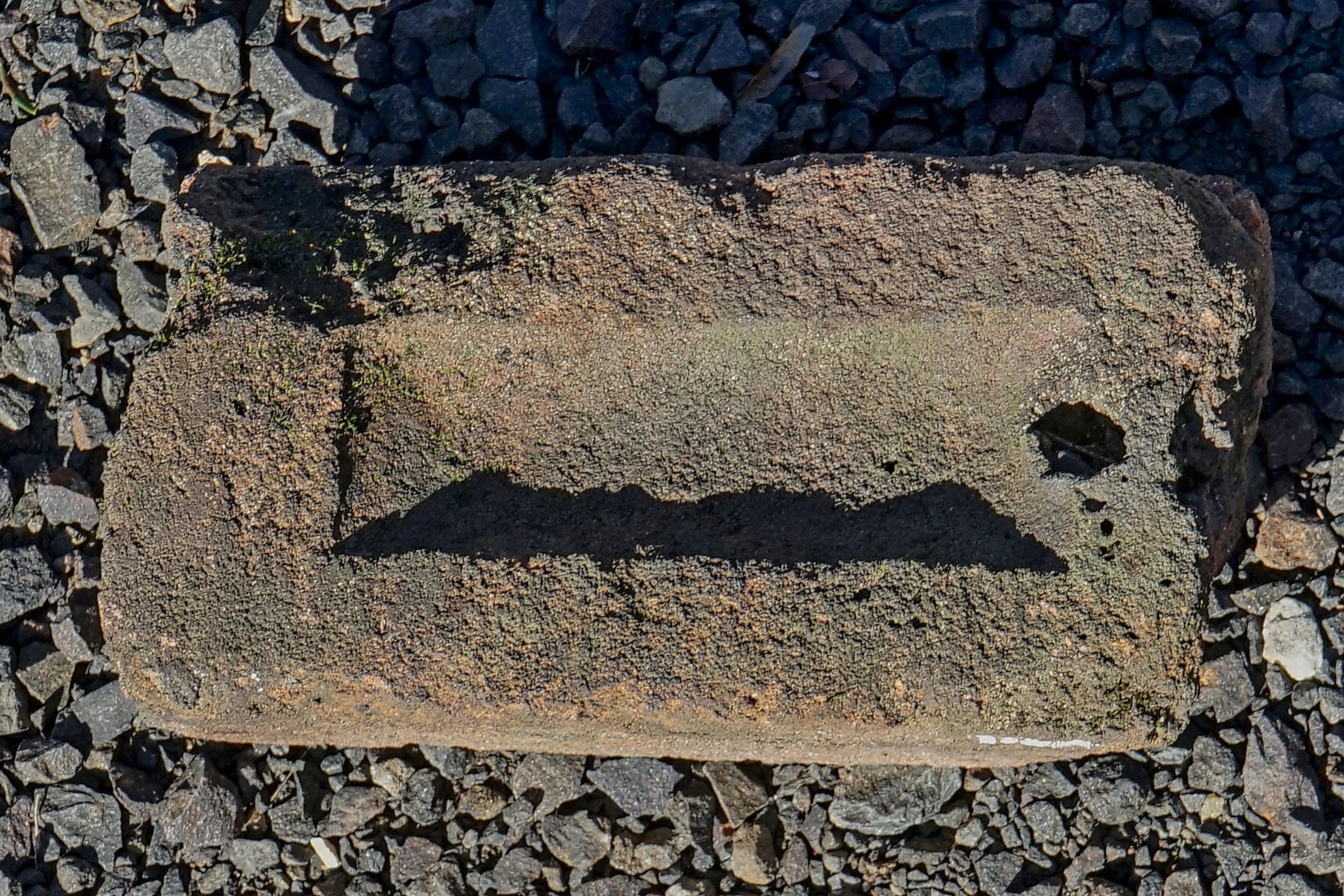
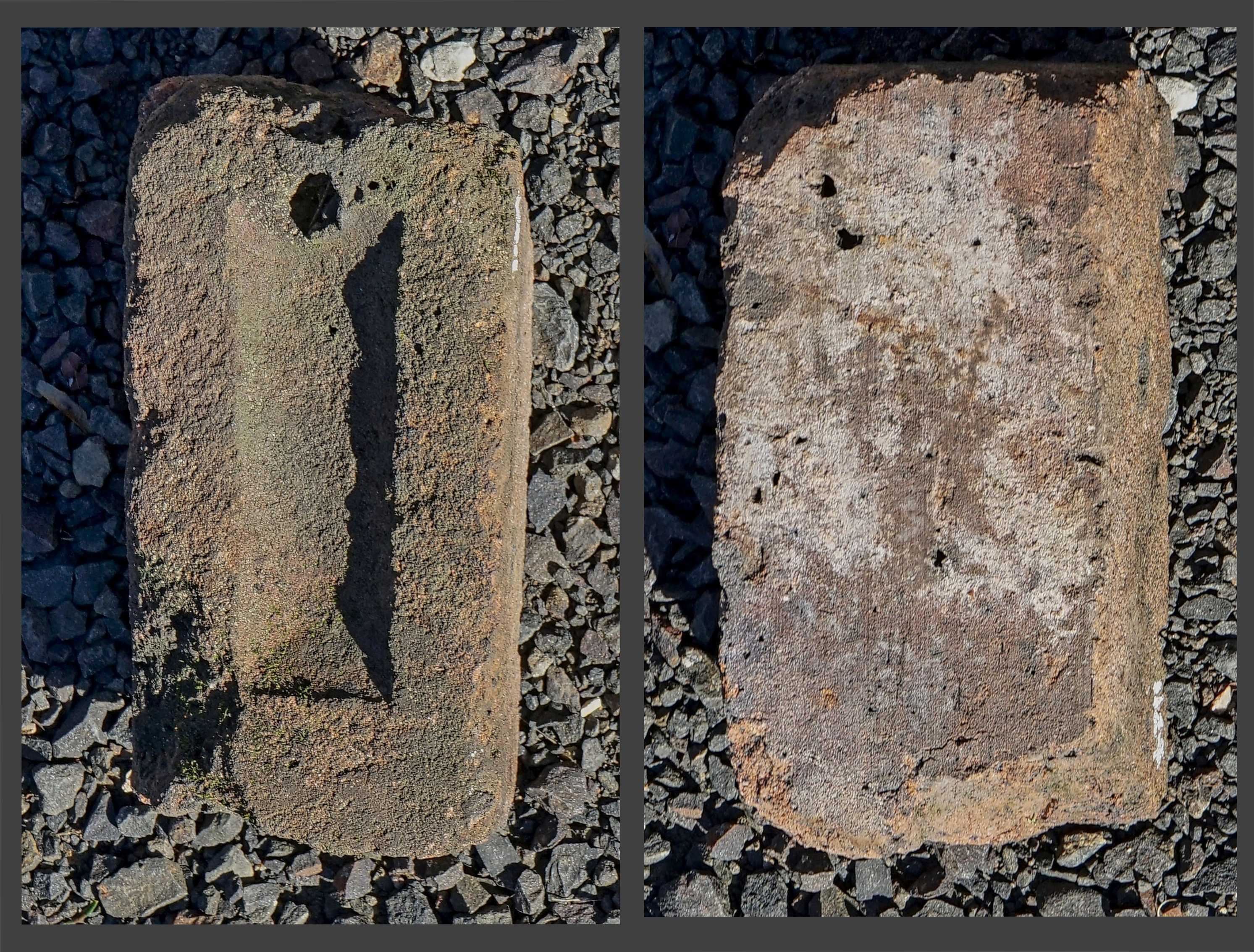
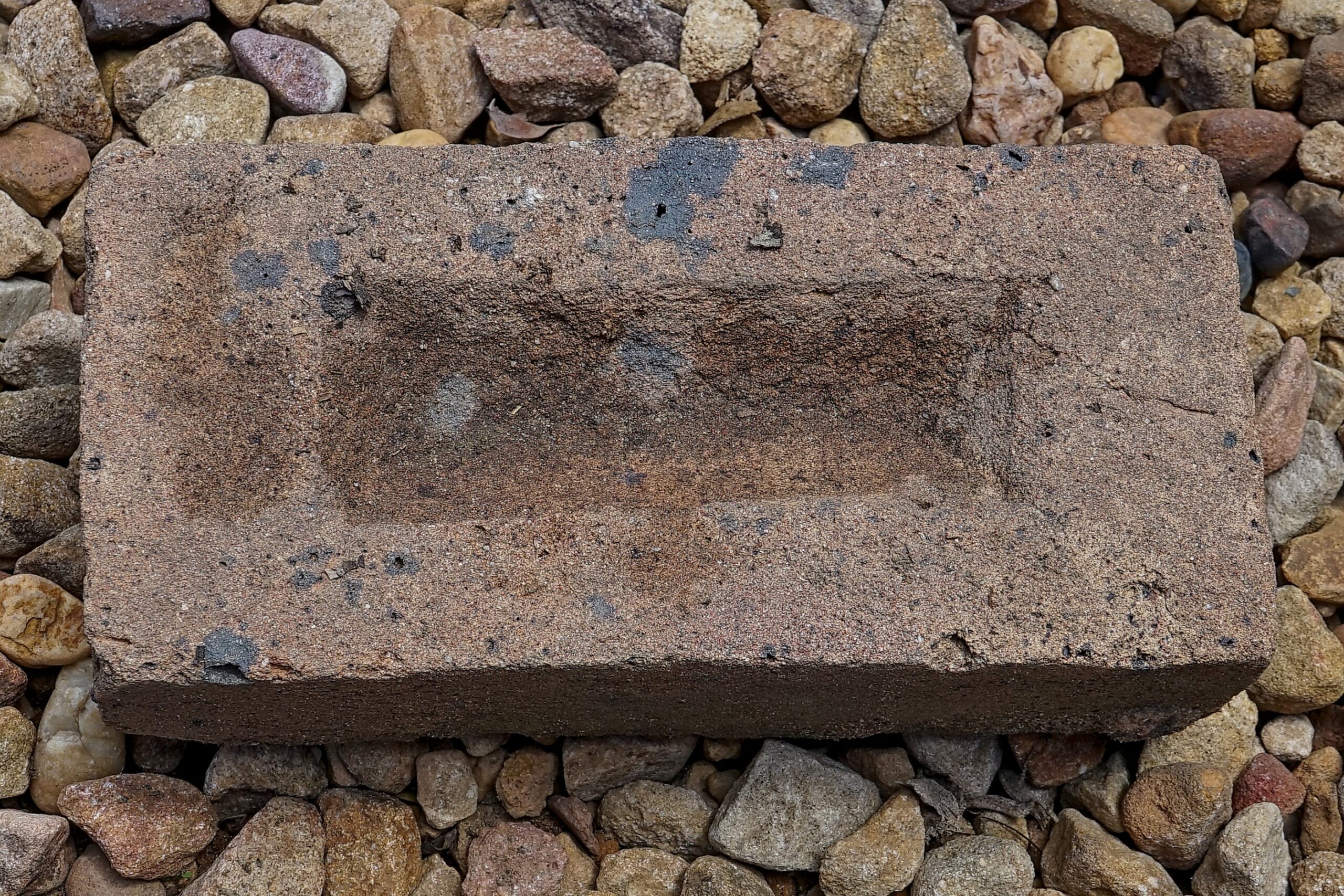
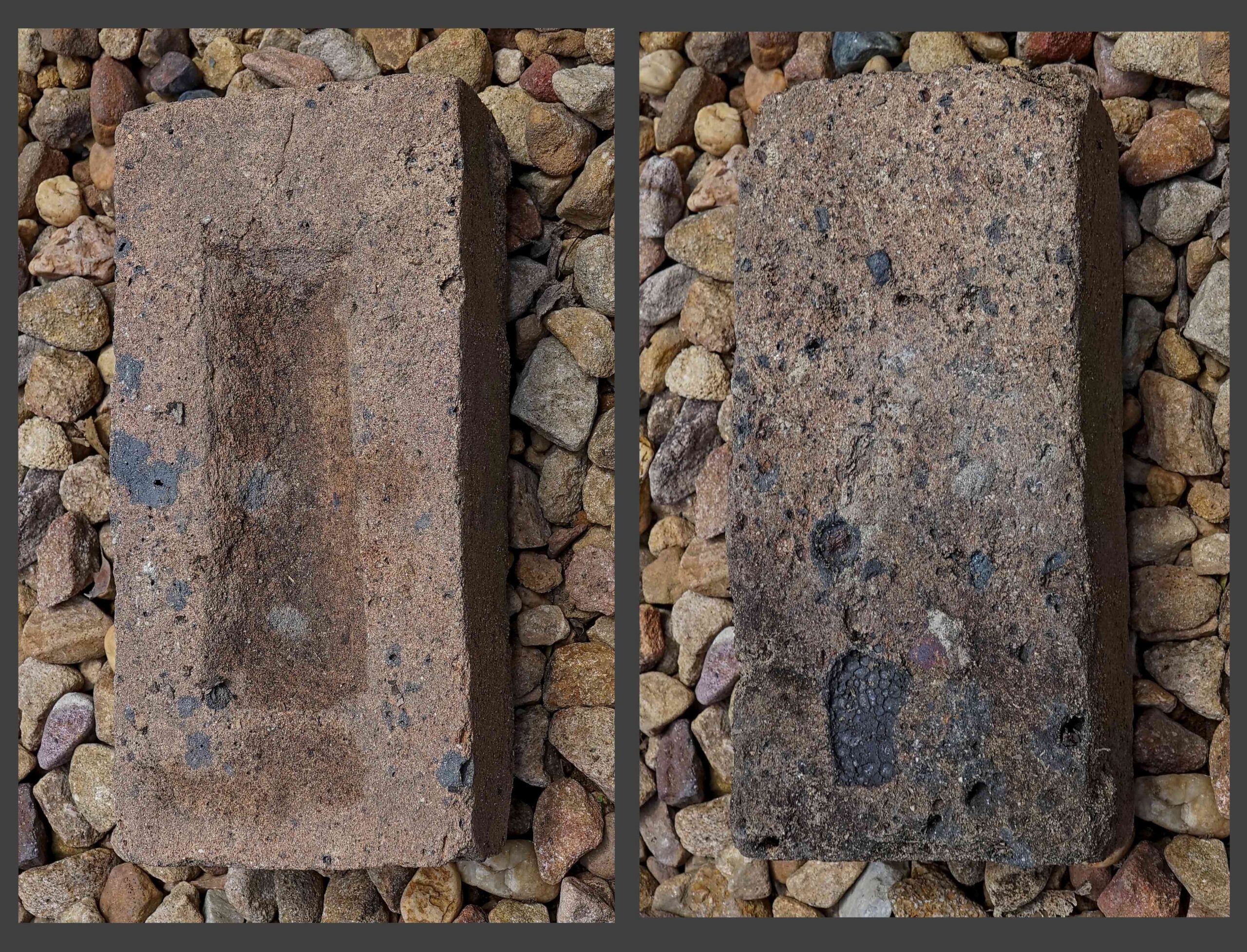
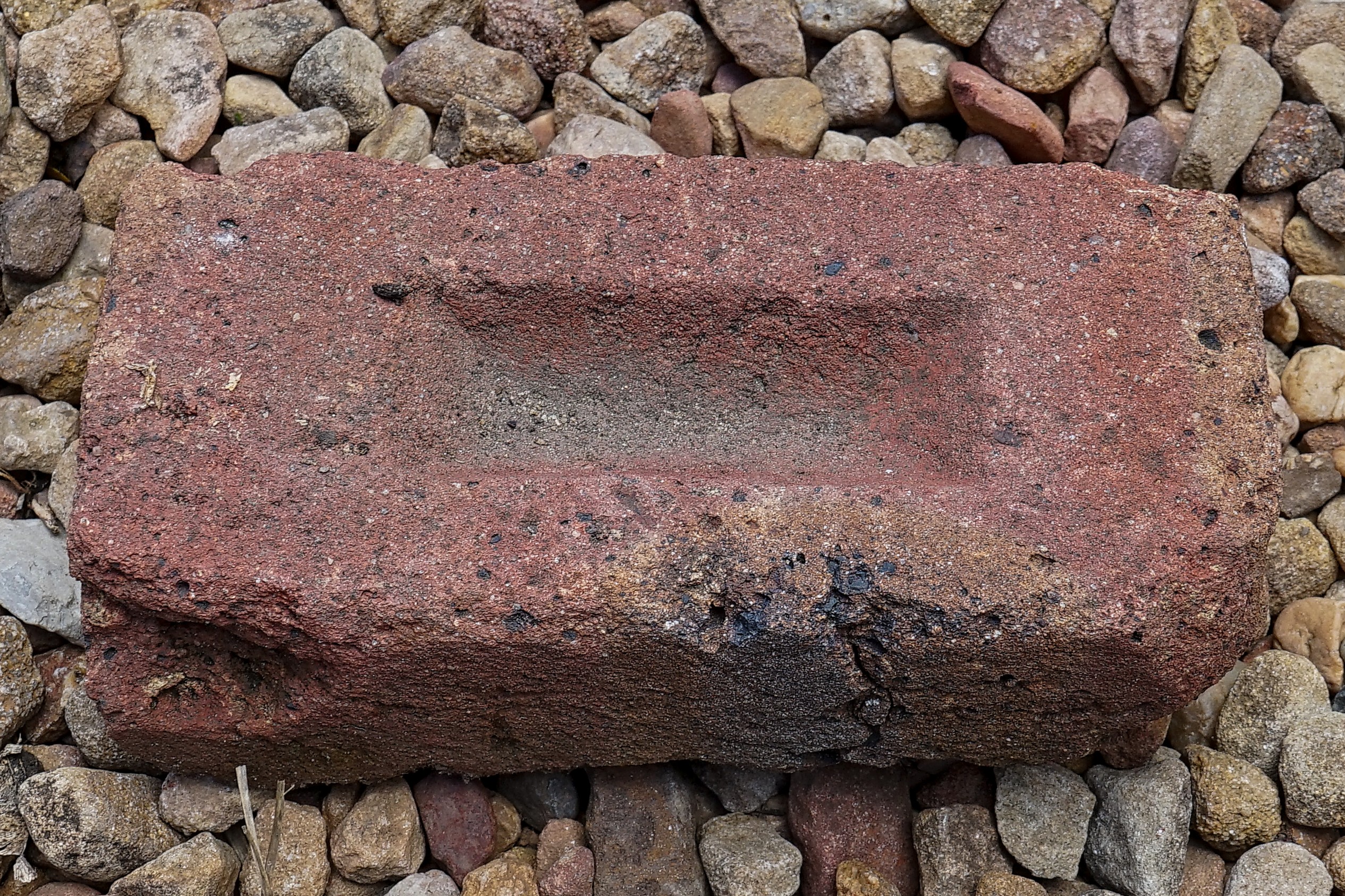
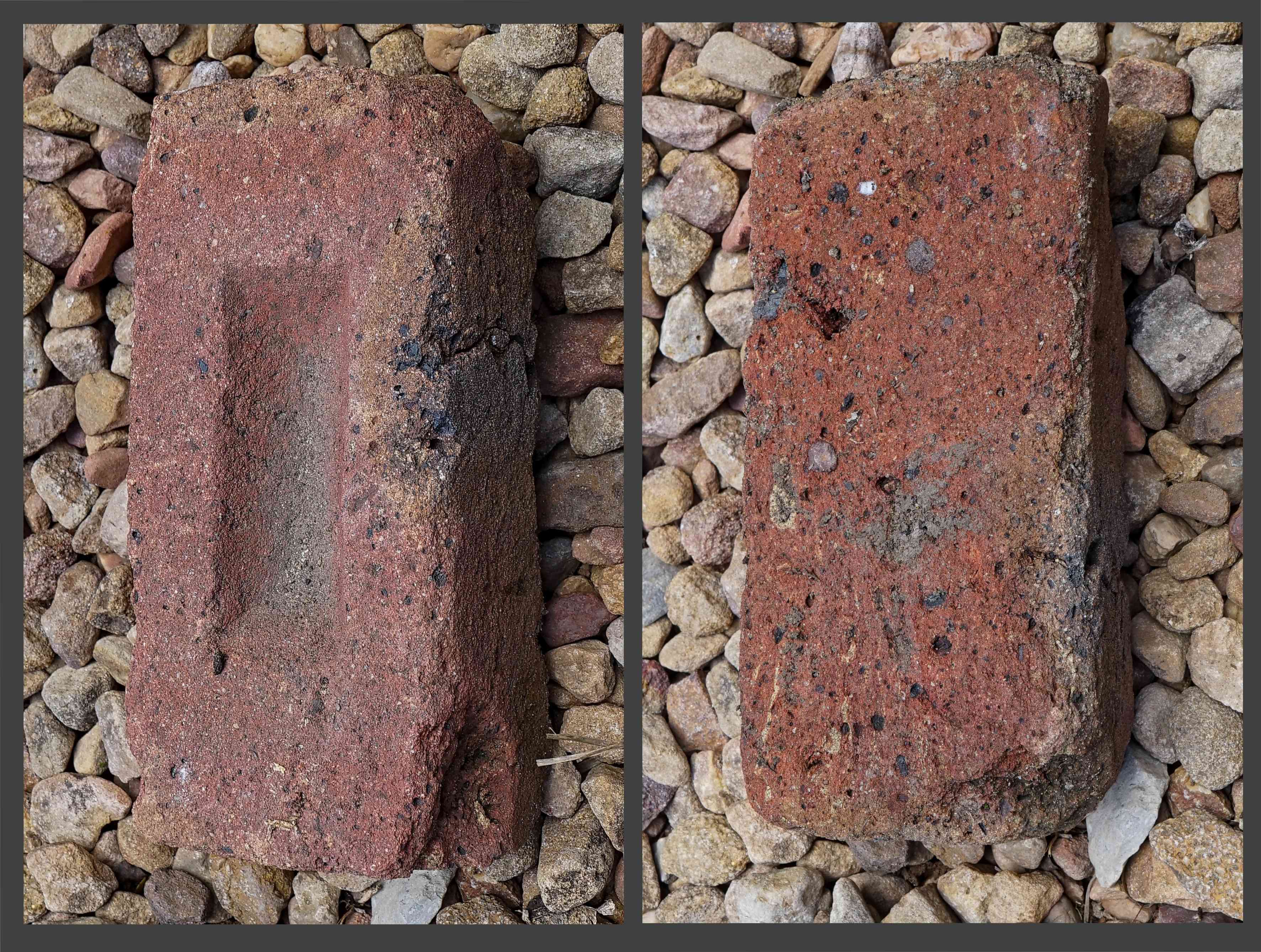
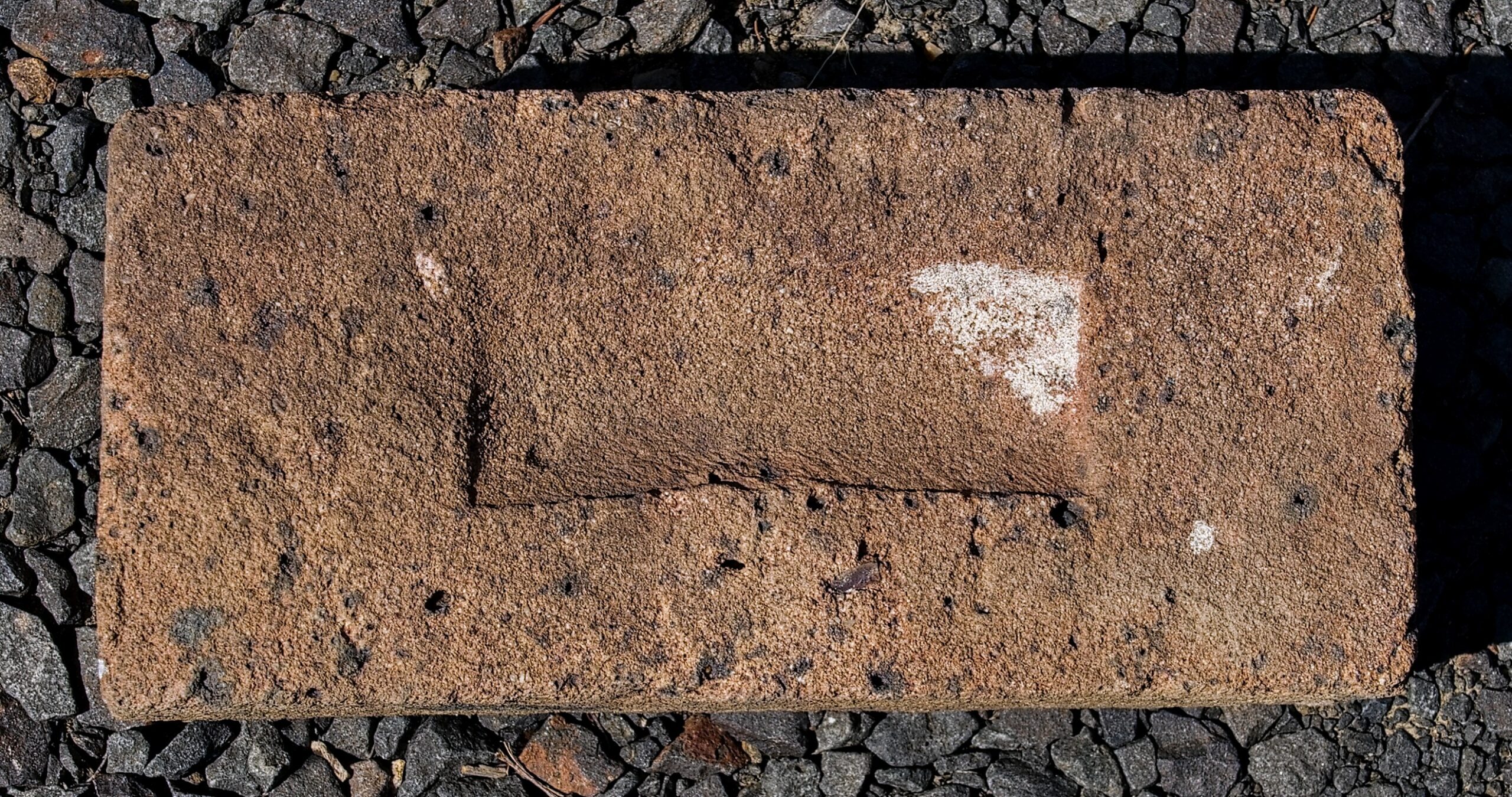
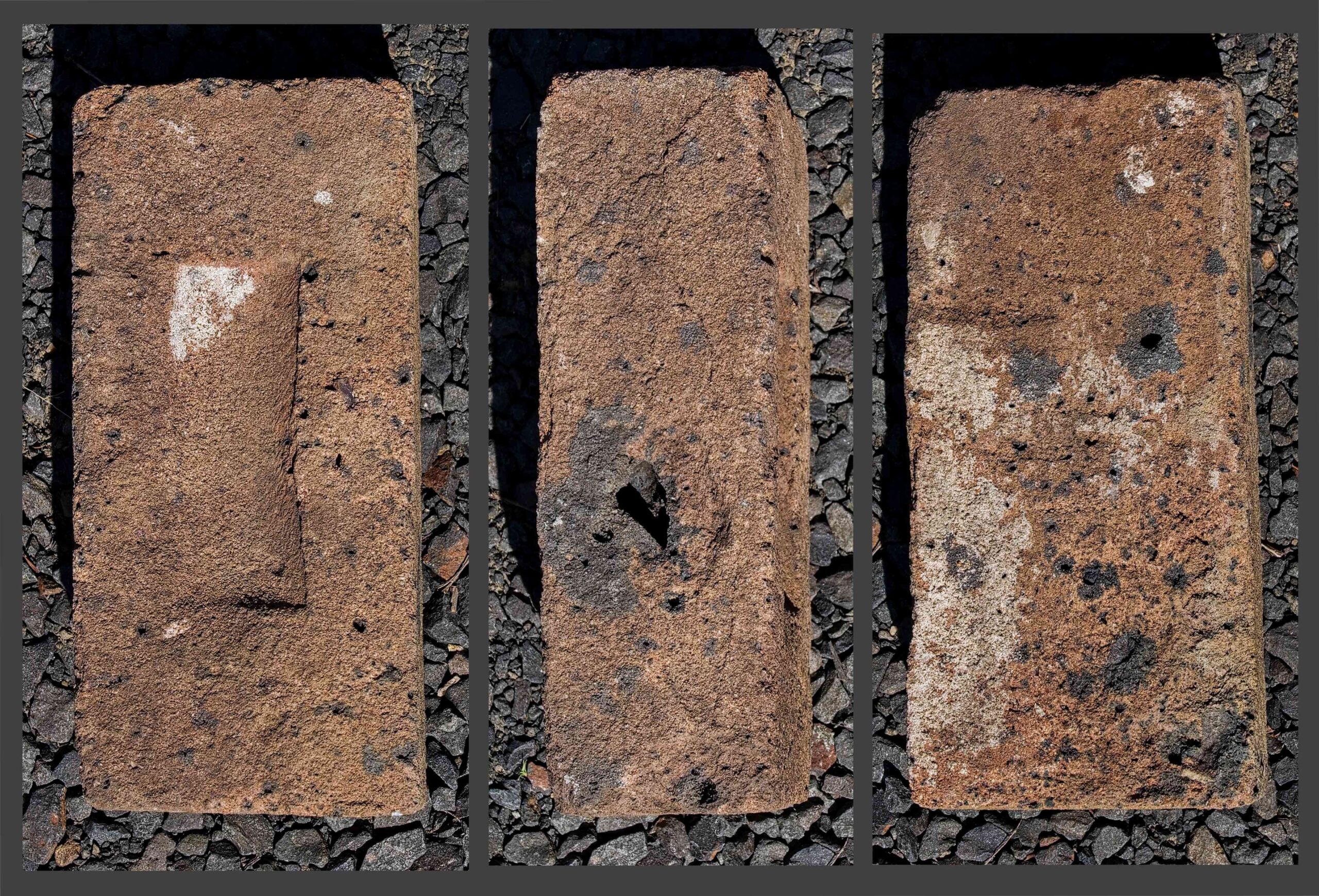
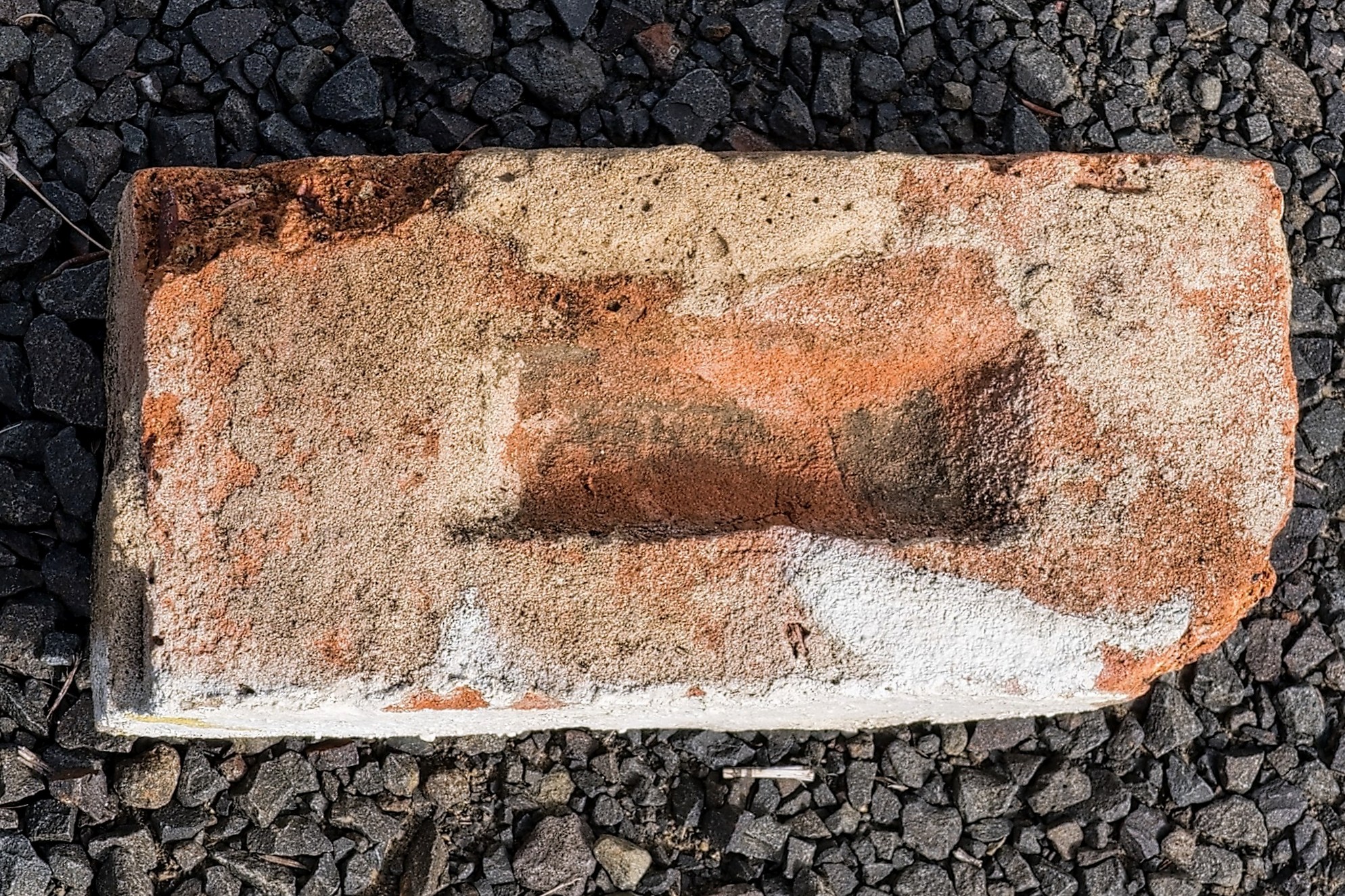
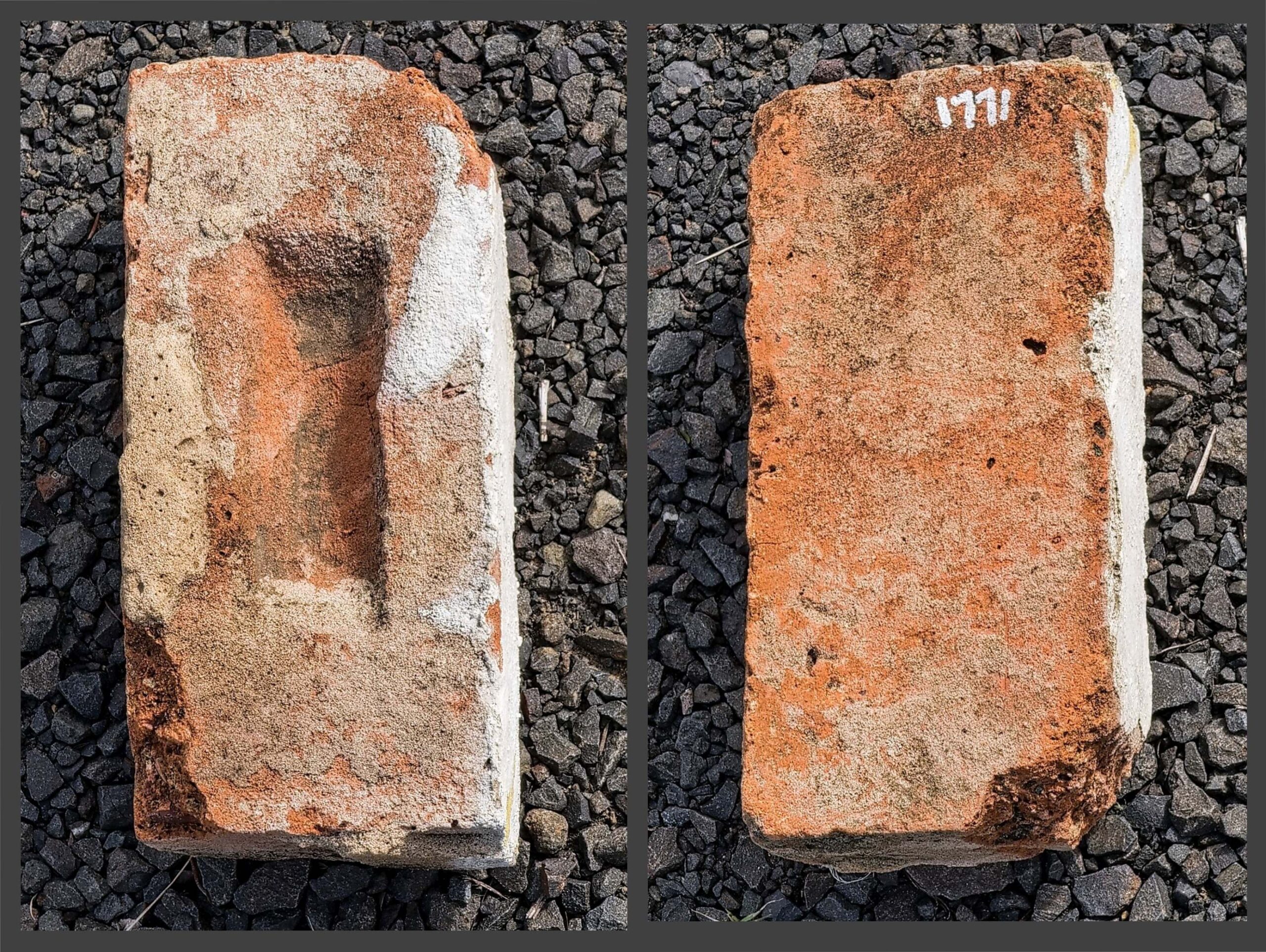
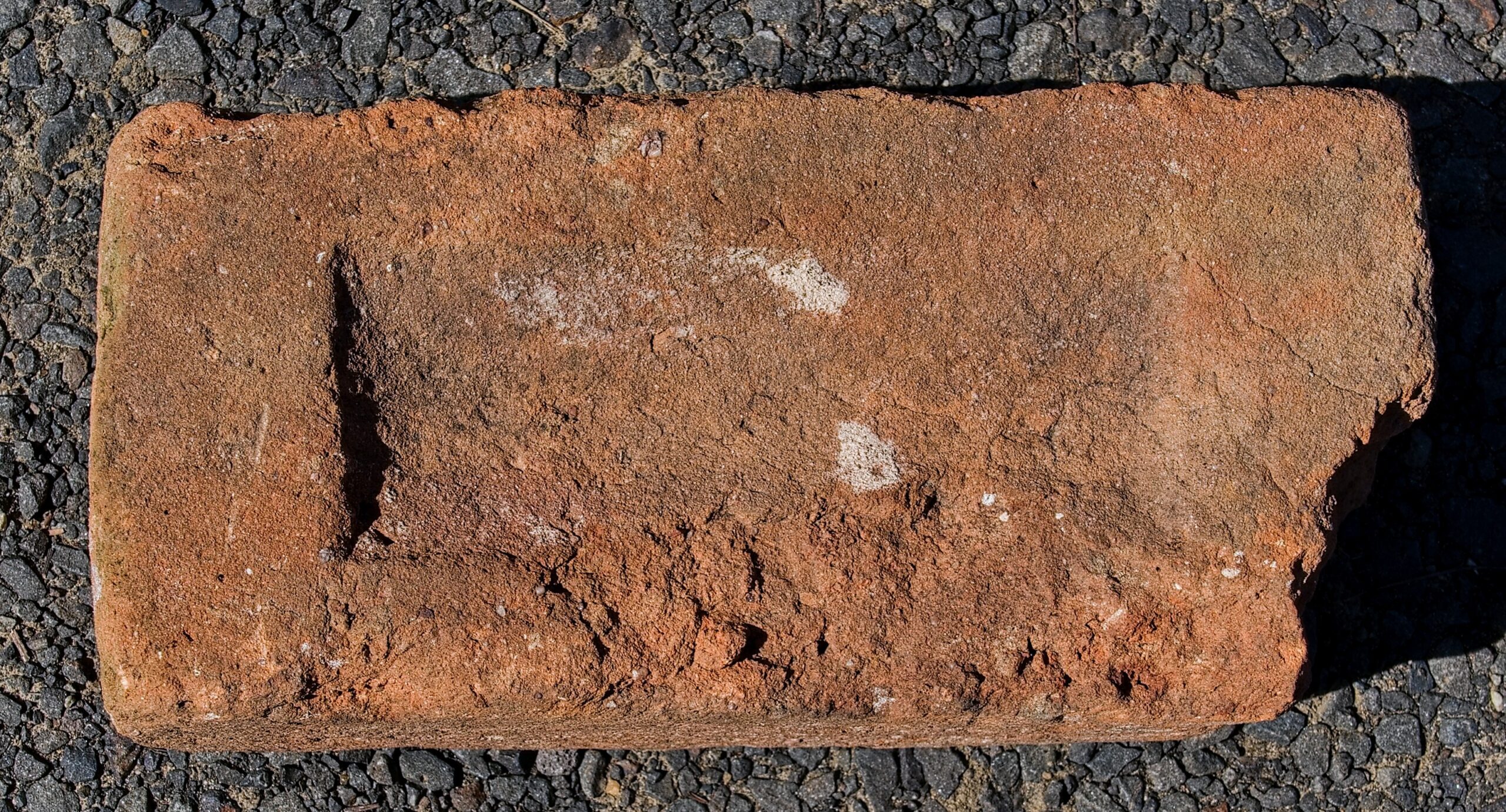
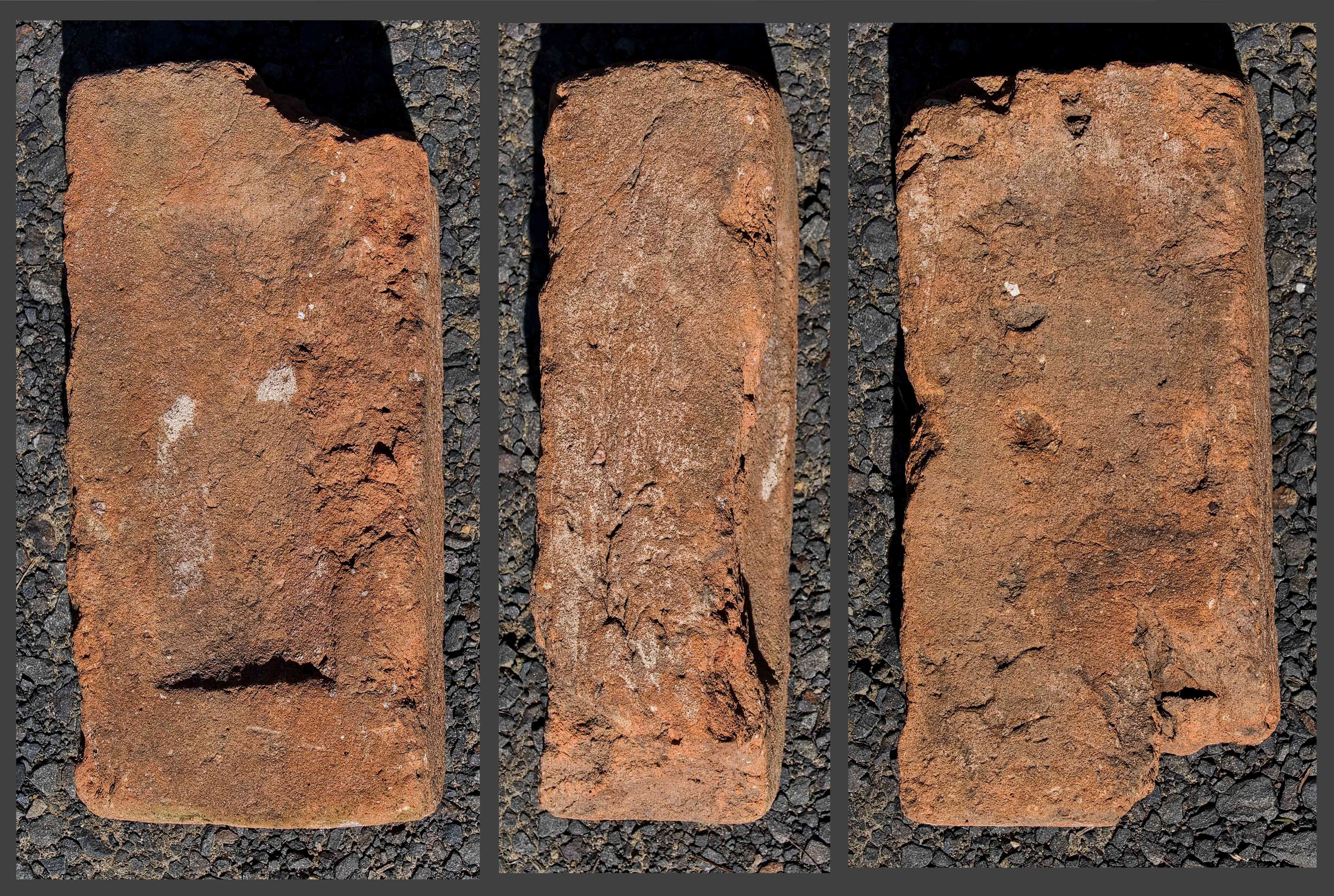
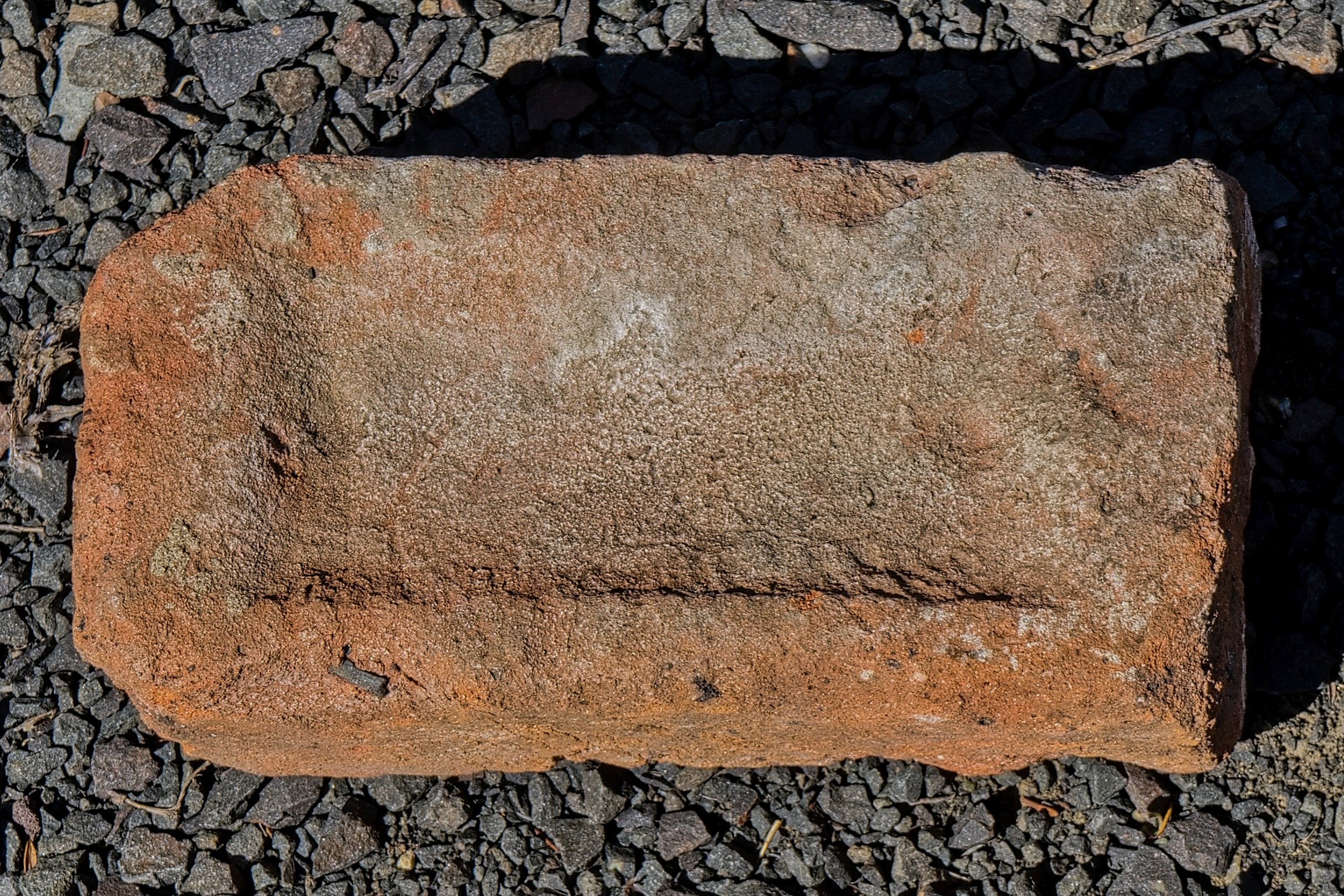
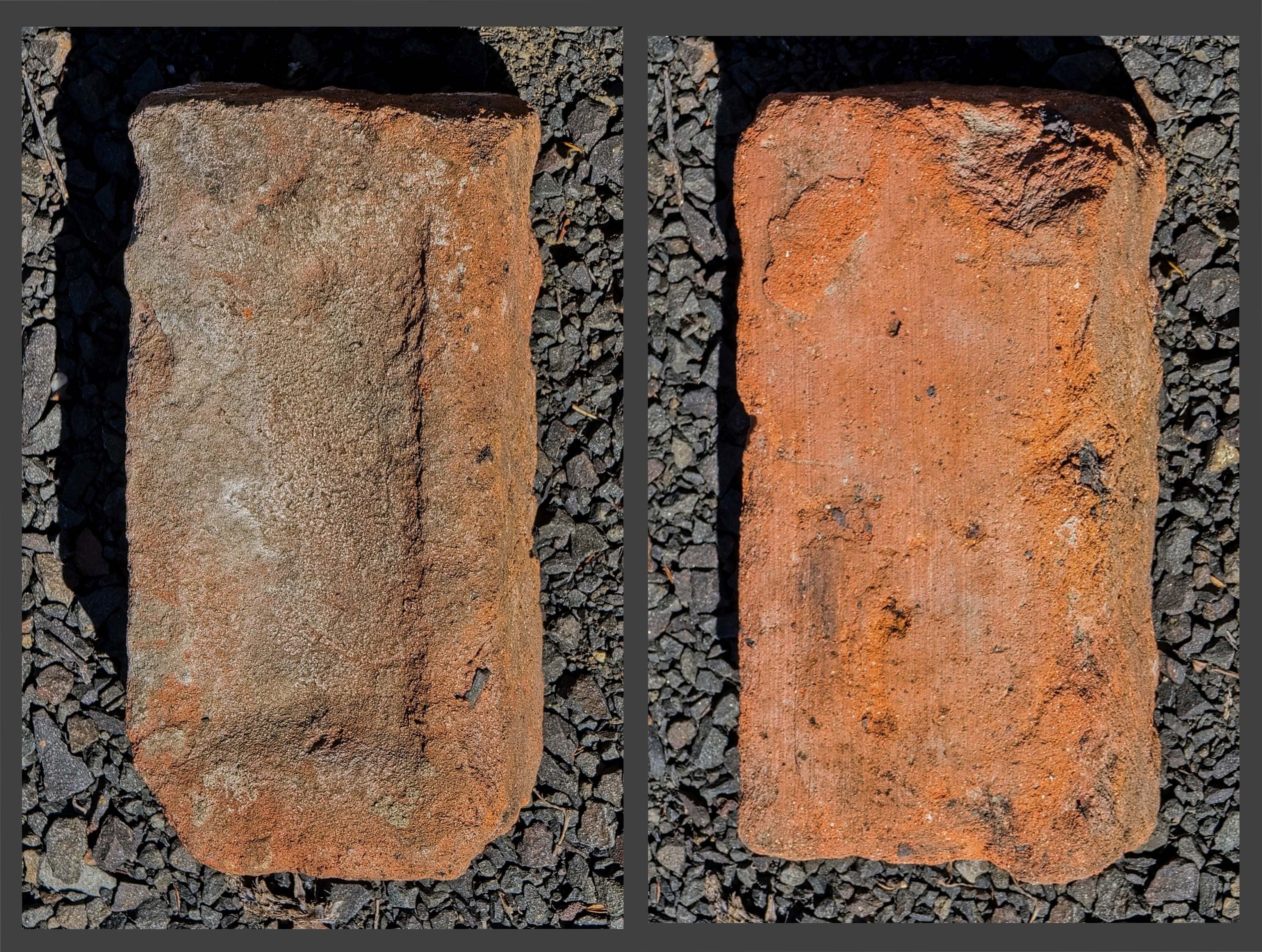
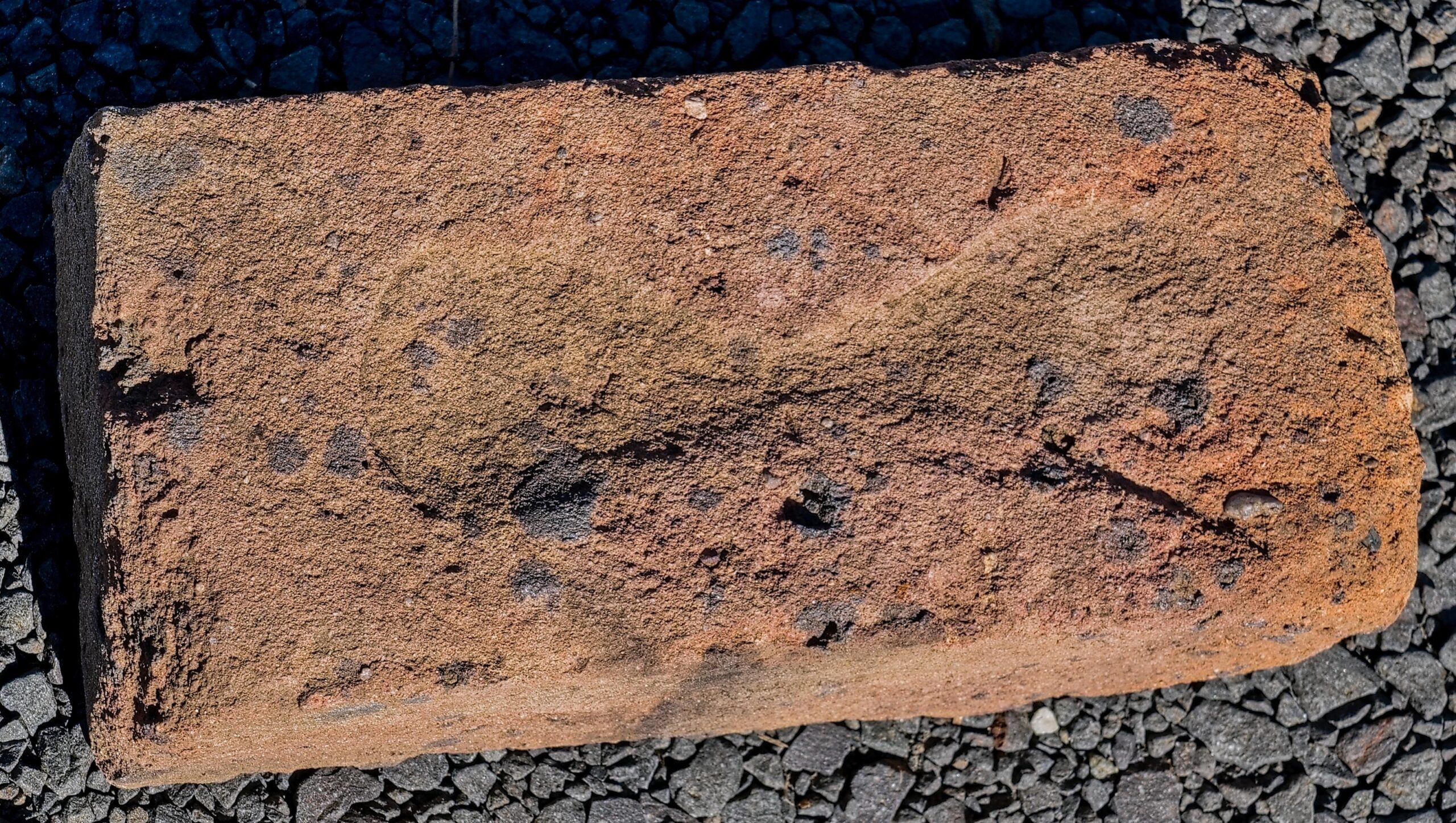
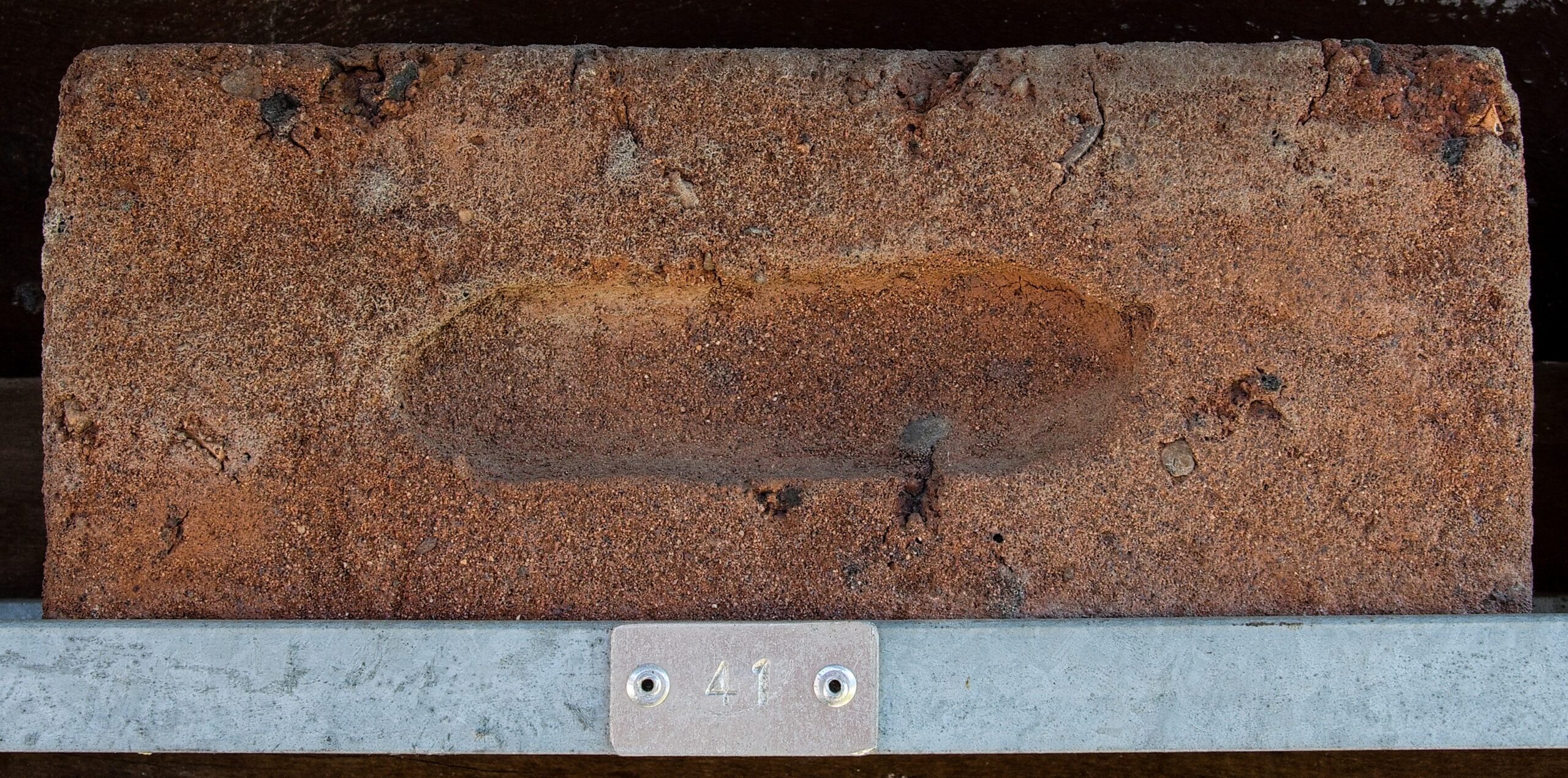
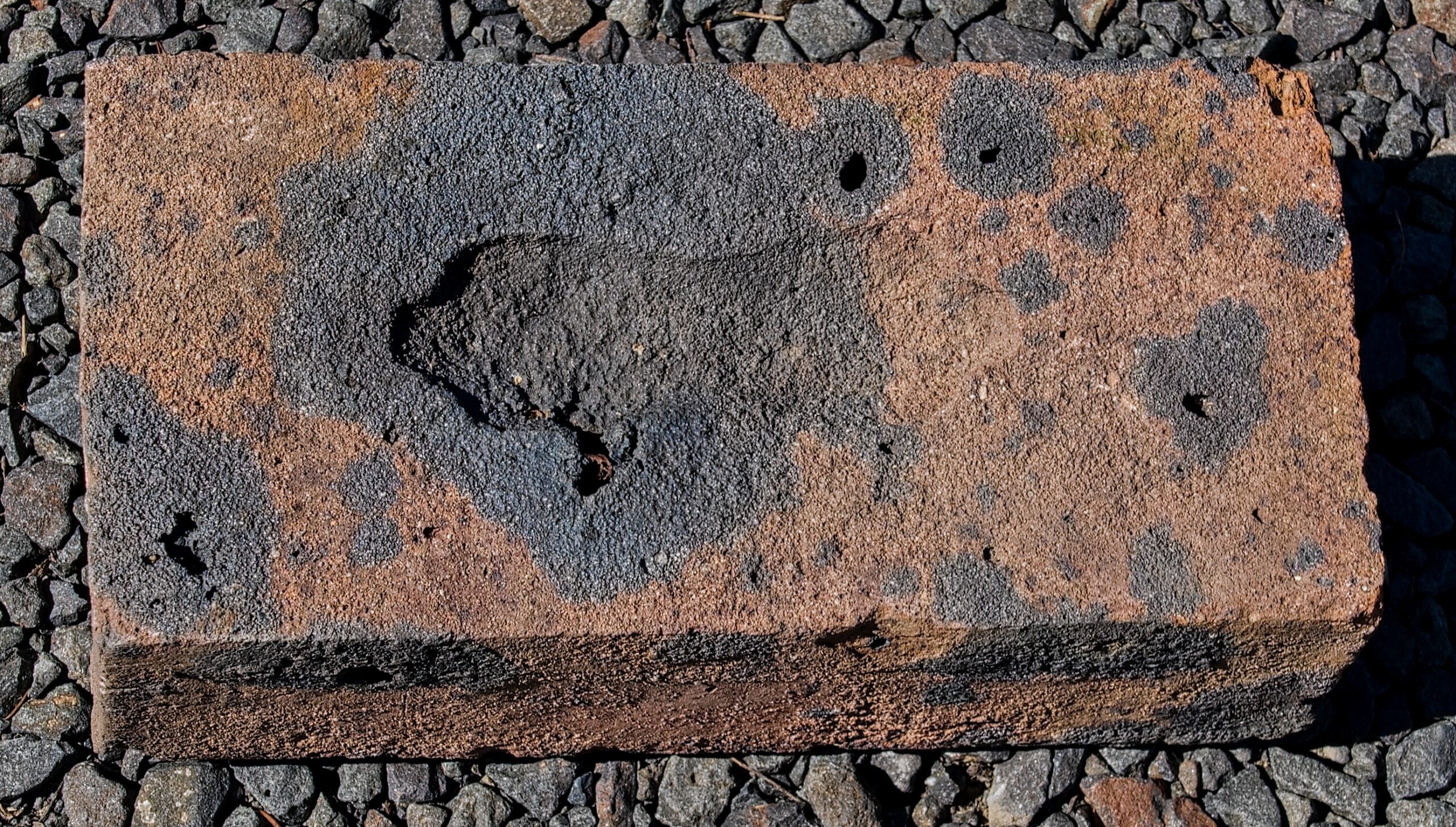
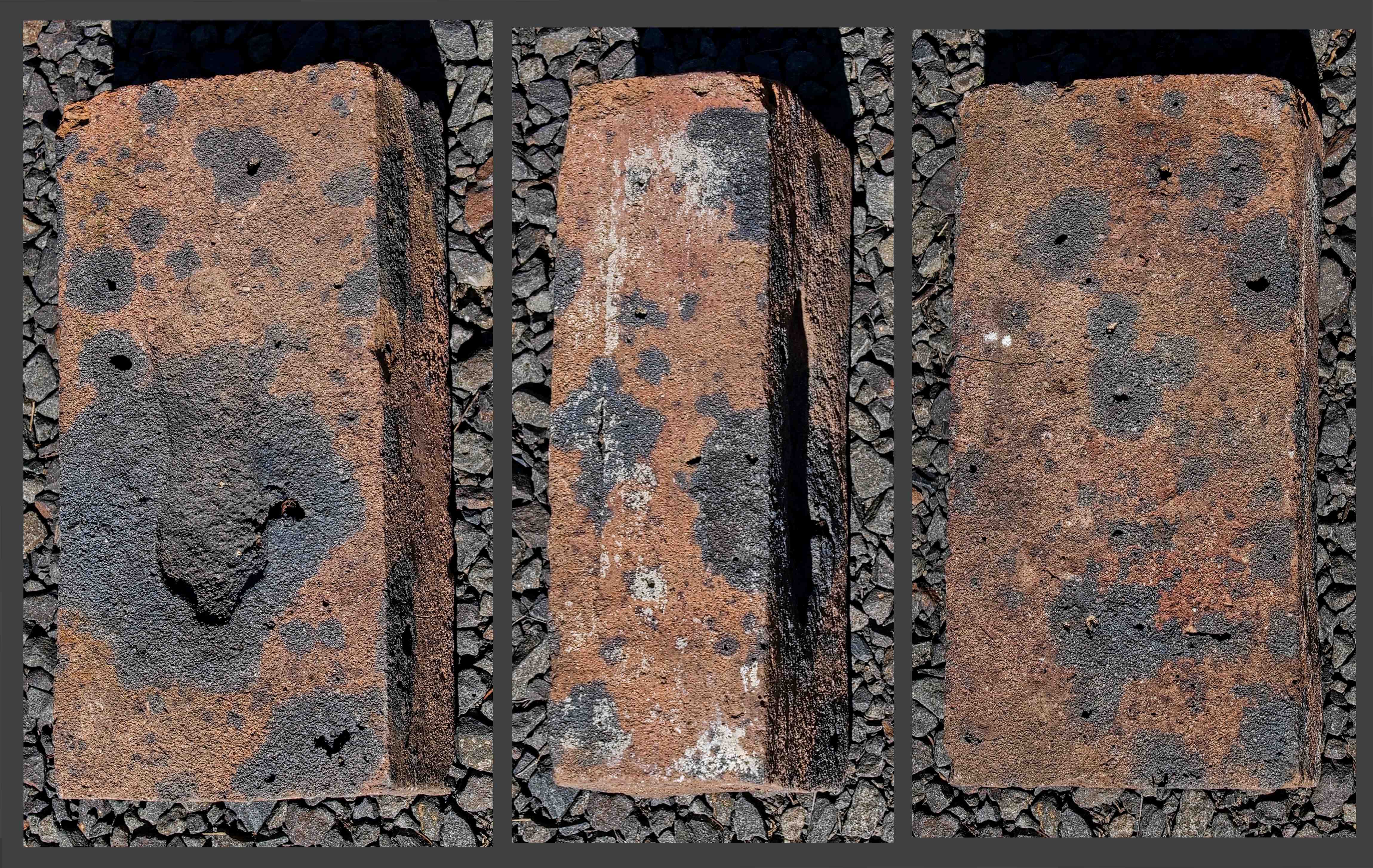
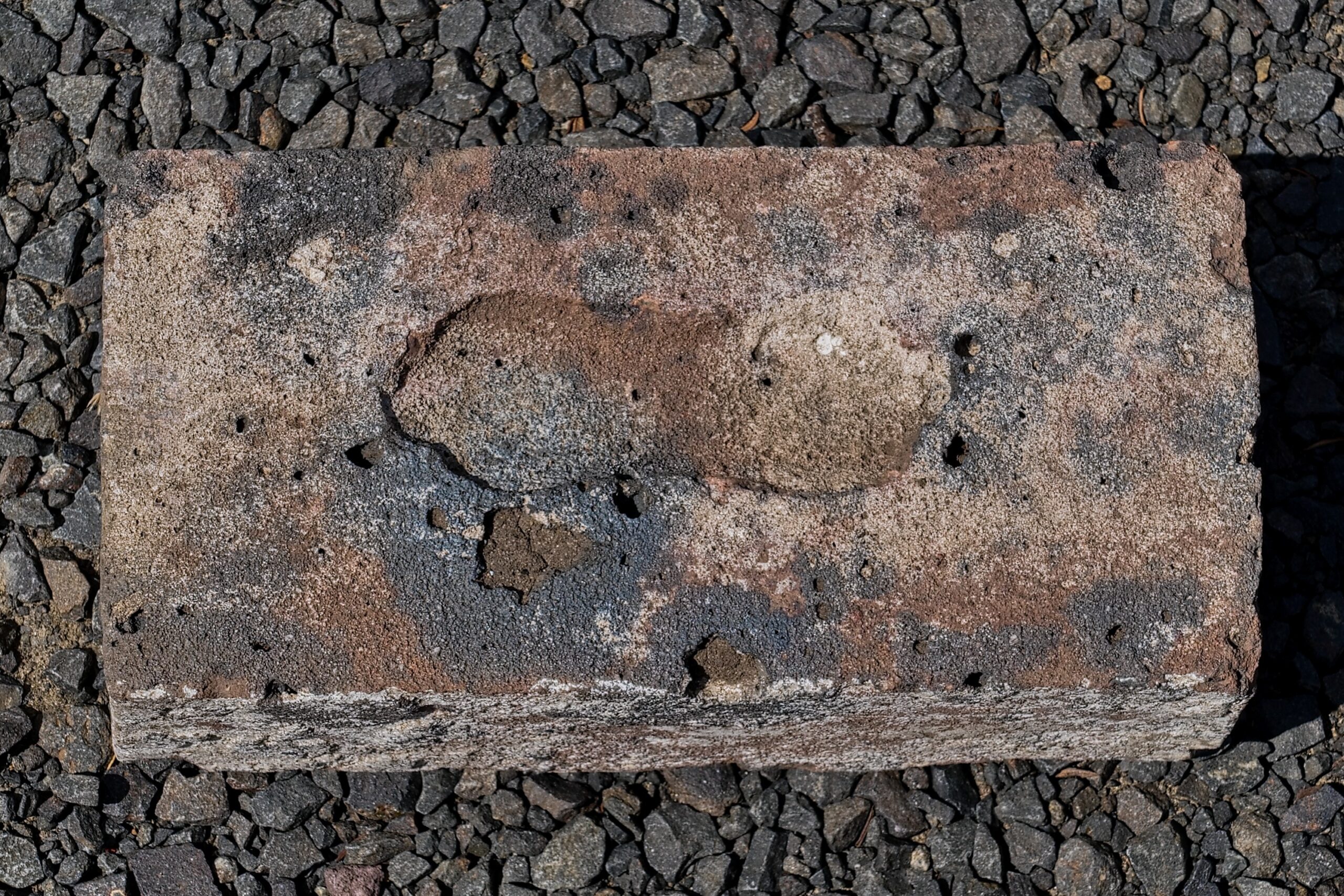
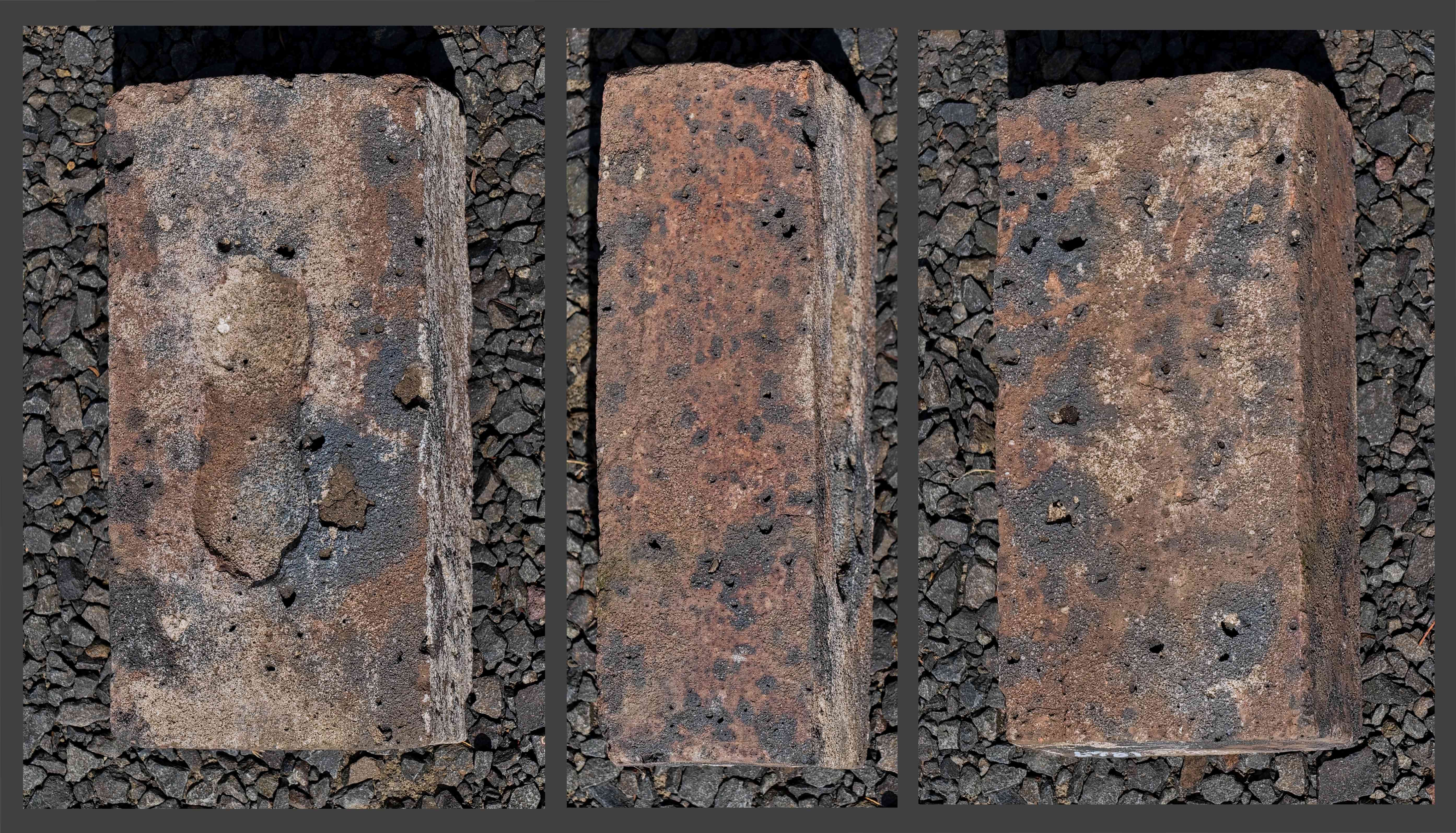
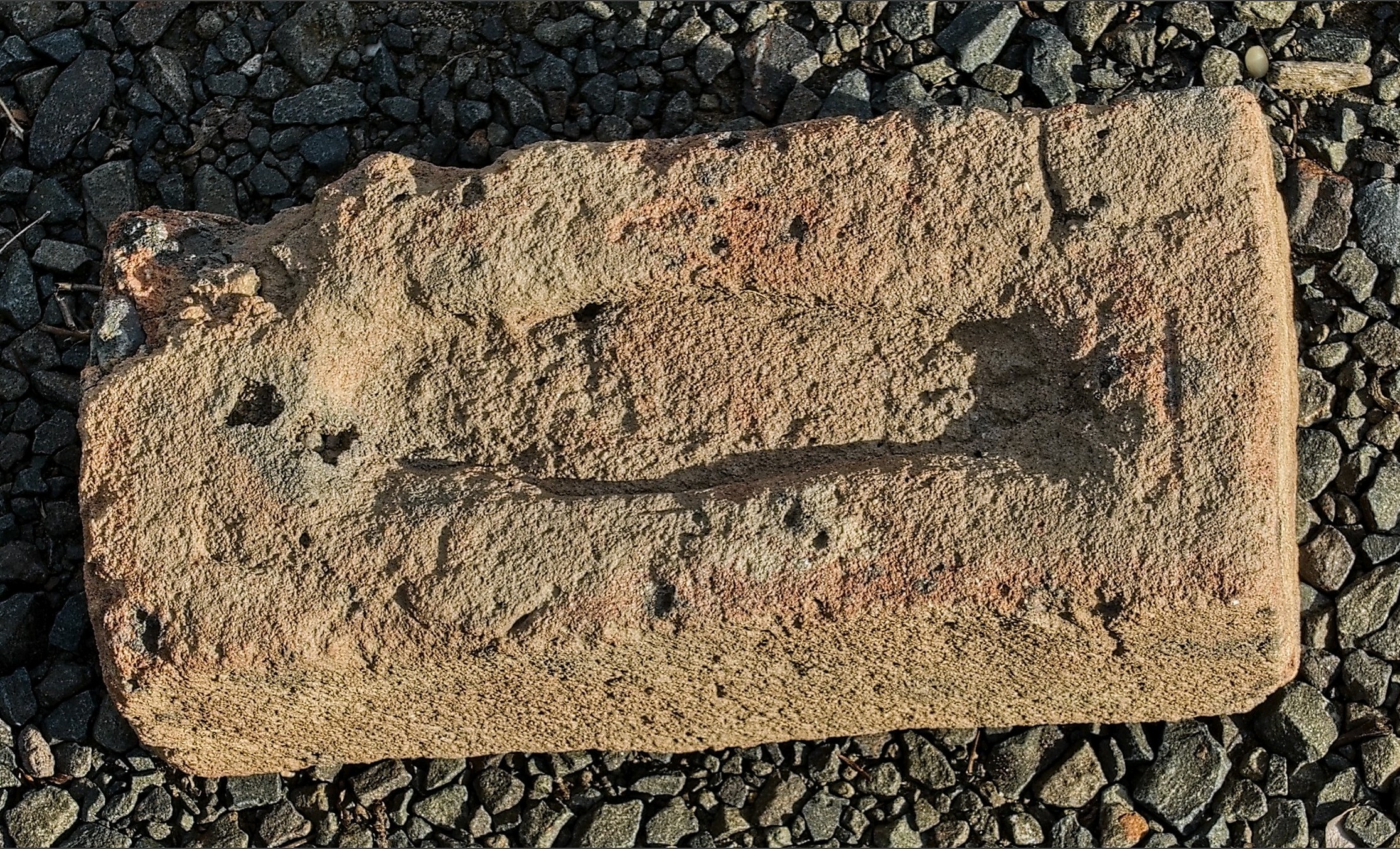
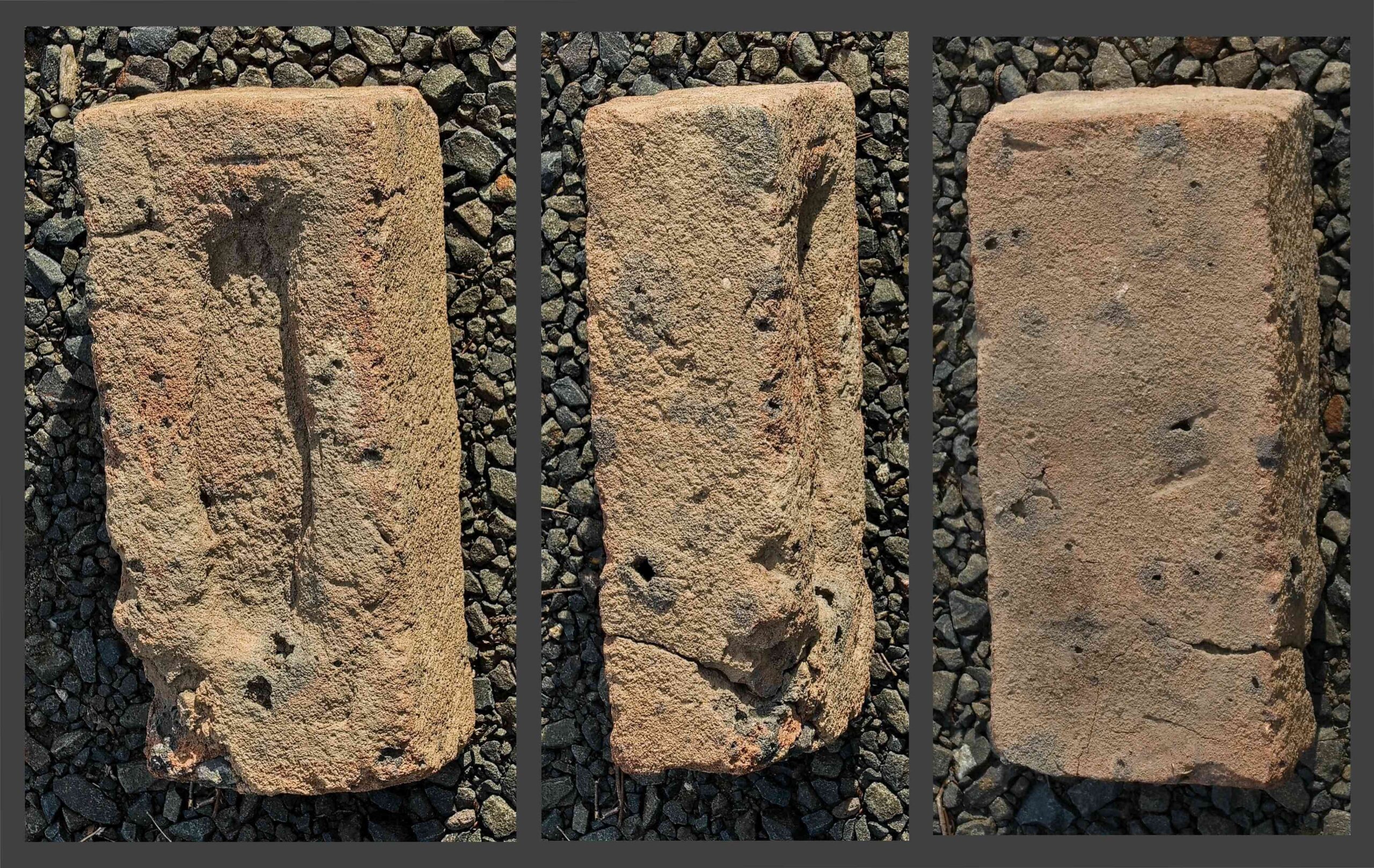
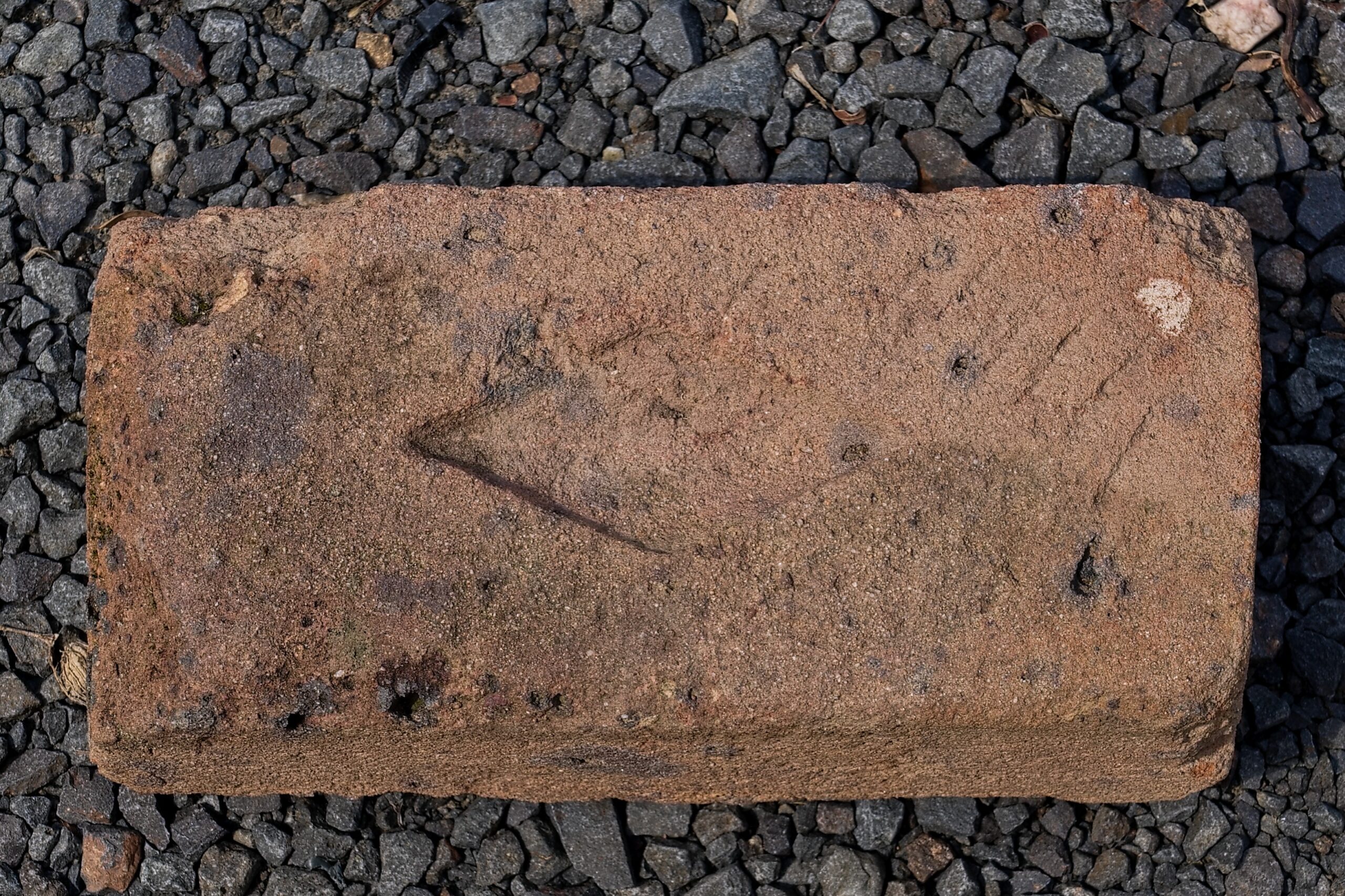
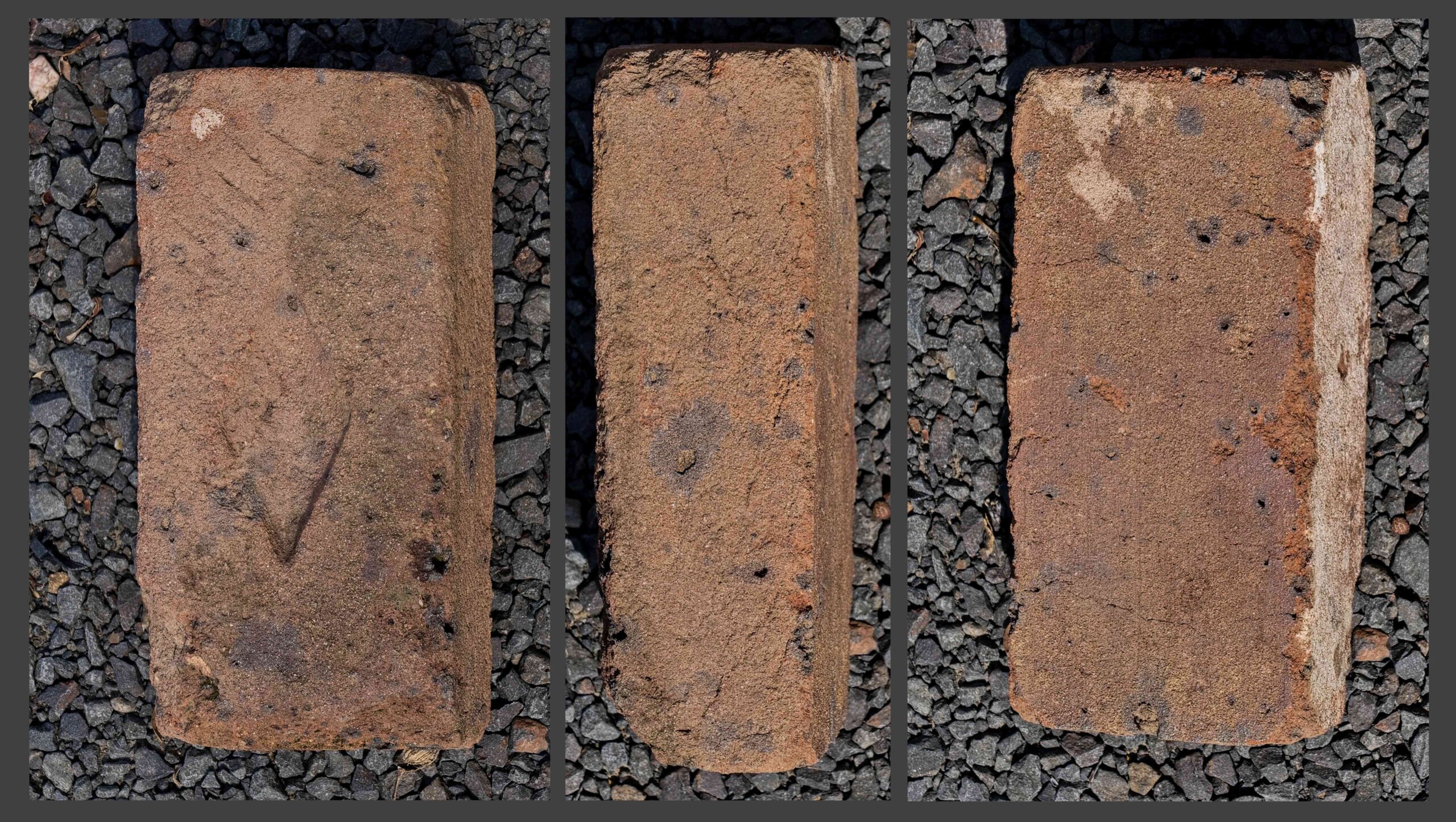
Frog Designs (Maker Unknown)
Source: Backyard of former CWA Hostel, Limestone St, Ipswich.
Location: My Collection
Source: Unknown
Location: Ipswich Historical Society
Source: Backyard of former CWA Hostel, Limestone St, Ipswich.
Location: My Collection
Source: Backyard of former CWA Hostel, Limestone St, Ipswich.
Location: My Collection
Source: Backyard of former CWA Hostel, Limestone St, Ipswich.
Location: My Collection
Source: Backyard of former CWA Hostel, Limestone St, Ipswich.
Location: My Collection
Source: Bergin Street, Booval
Location: My Collection
Source: Old West Moreton Colliery Site
Location: My Collection
Source: Unknown
Location: Ipswich Historical Society Collection
Source: Coonanea Homestead (built late 1860s)
Location: My Collection
Source: Bergin Street, Booval
Location: My Collection
Source: Francis Street, Tivoli N.E.
Location: My Collection
Source: Town Marie Area, Tivoli. Location: My Collection
Source: Town Marie Area, Tivoli. Location: My Collection
Source: Fernie Creek Cutting Area. Location: My Collection.
Source: Donnybrook Colliery area, Tivoli
Location: My Collection
Source: Donnybrook Colliery area, Tivoli
Location: My Collection
Source: Backyard of former CWA Hostel, Limestone St, Ipswich.
Location: My Collection
Source: Hancocks Sawmill Site, North Ipswich
Location: My Collection
Source: Noblevale 3 Colliery Area, Swanbank
Location: My Collection.
Source: Rear Garden of Former CWA Hostel, Limestone Street, Ipswich
Location: My Collection
Source: Backyard of former CWA Hostel, Limestone St, Ipswich.
Location: My Collection
Source: Embankment East of Hancock Sawmill
Location: My Collection
Source: Steep Bank East of Hancocks Sawmill Site
Location: My Collection
Source: Steep Bank East of Hancocks Sawmill Site
Location: My Collection
Source: Corner of Clay & Darling Streets.
Location: My Collection
Source: Unknown
Location: Ipswich Historical Society
Source: Backyard of former CWA Hostel, Limestone St, Ipswich.
Location: My Collection
Source: Backyard of former CWA Hostel, Limestone St, Ipswich.
Location: My Collection
Source: 'Notnel', Burnett St, West Ipswich
Location: My Collection
Source: Donnybrook Colliery area, Tivoli
Location: My Collection
Source: Embankment on Eastern Edge of Sandy Gallop, Ipswich
Location: My Collection
Source: Embankment on Eastern Edge of Sandy Gallop
Location: My Collection
Source: Donnybrook area east; under fig tree
Location: My Collection
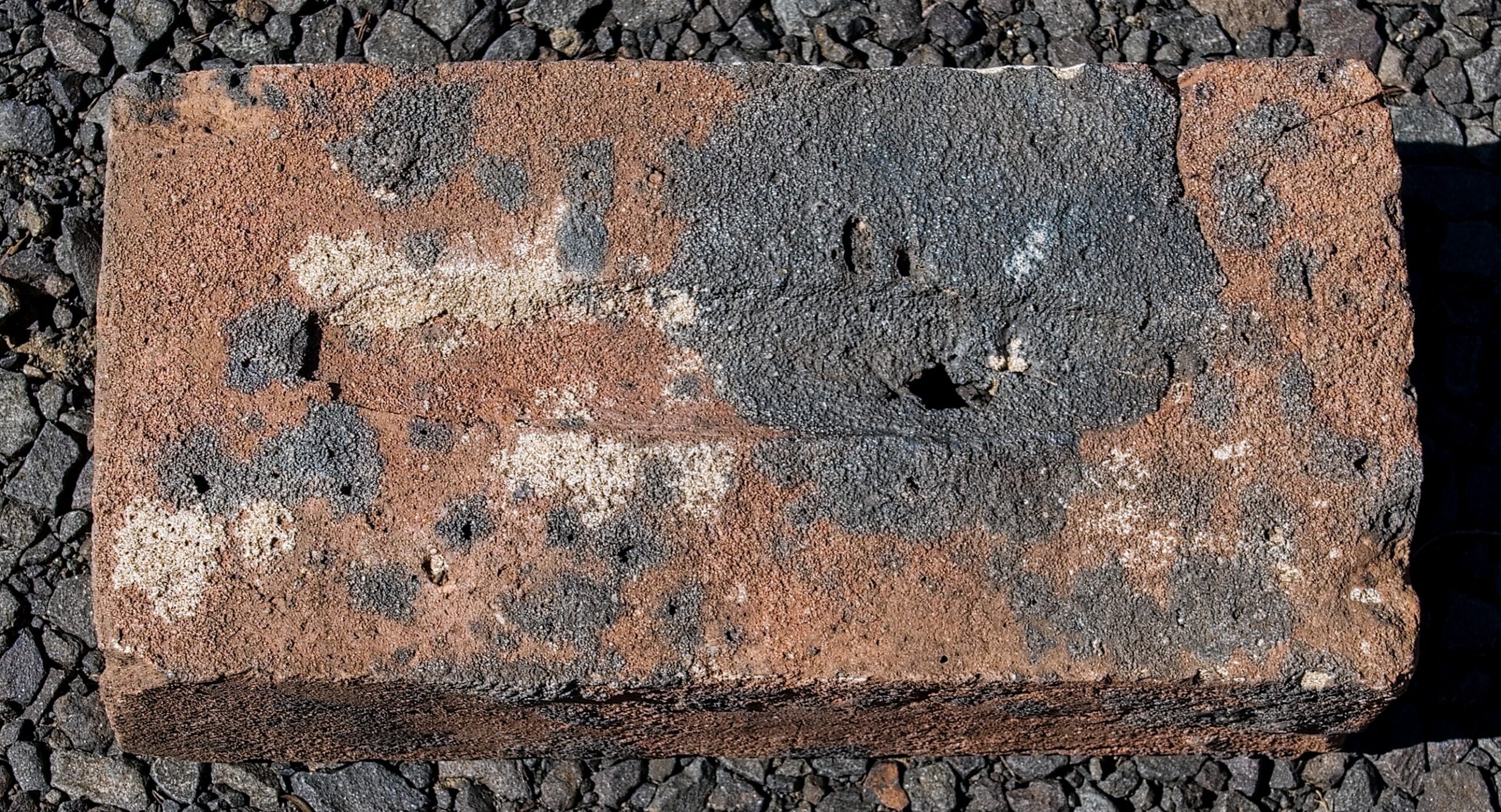
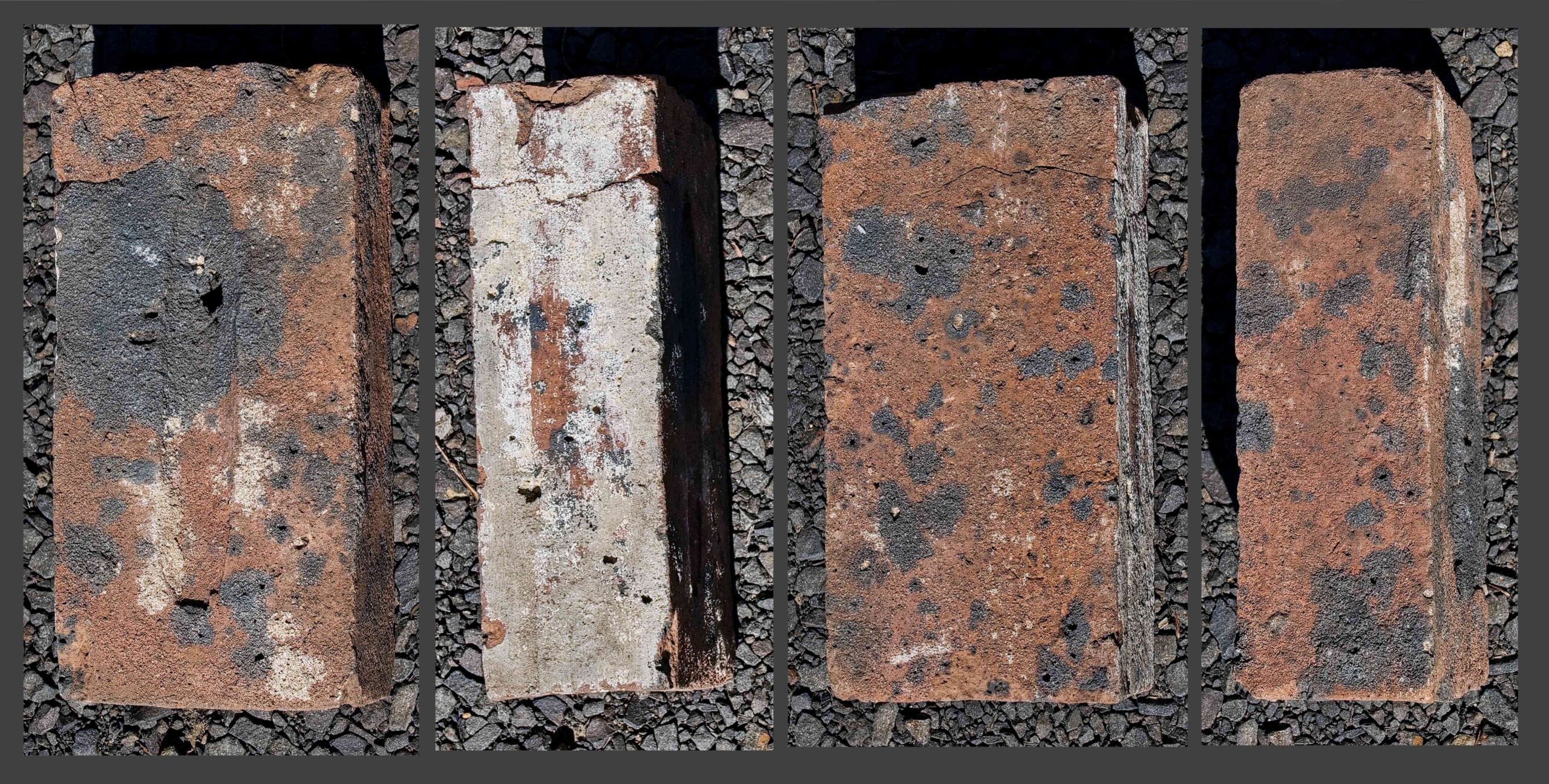
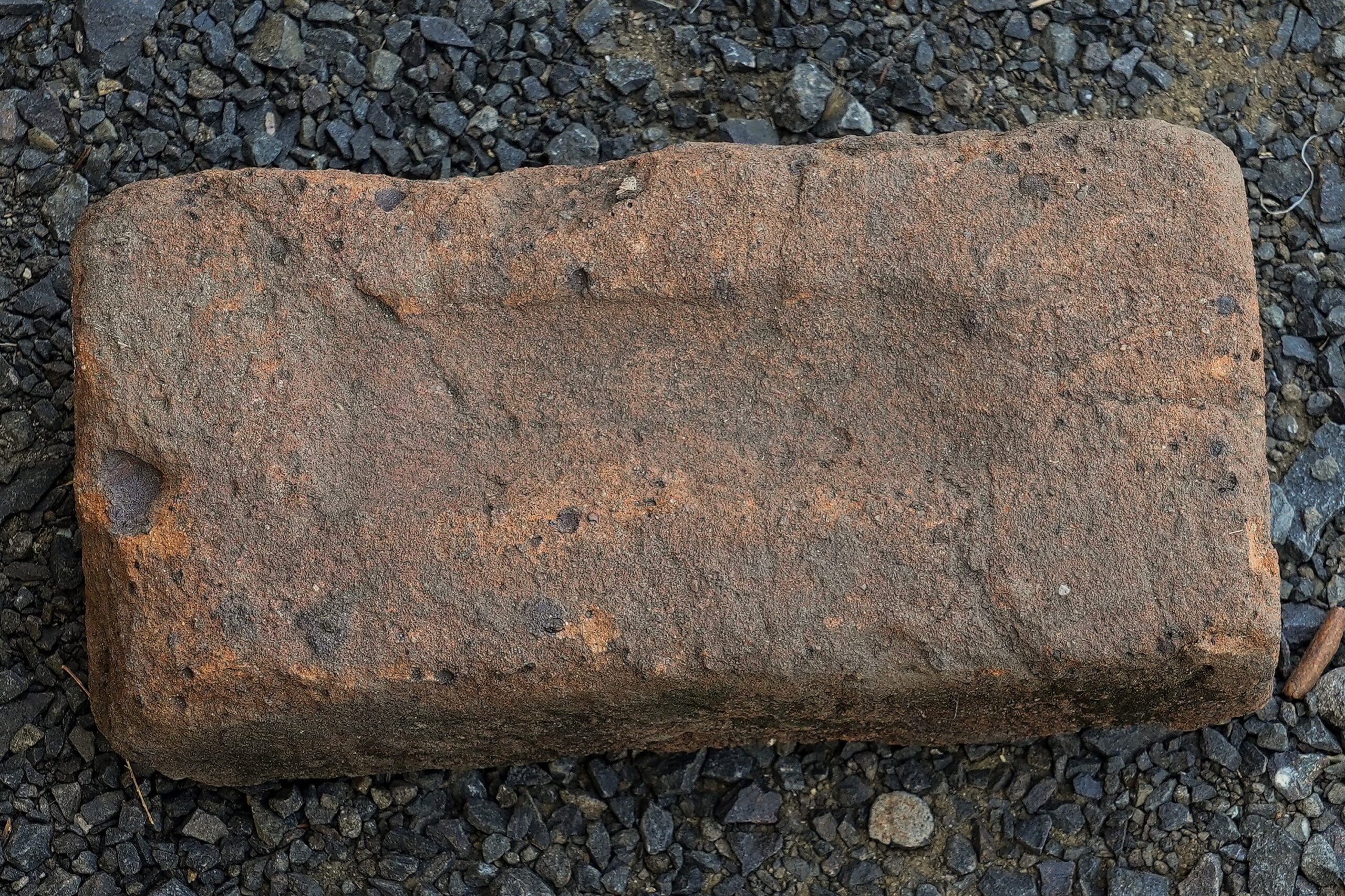
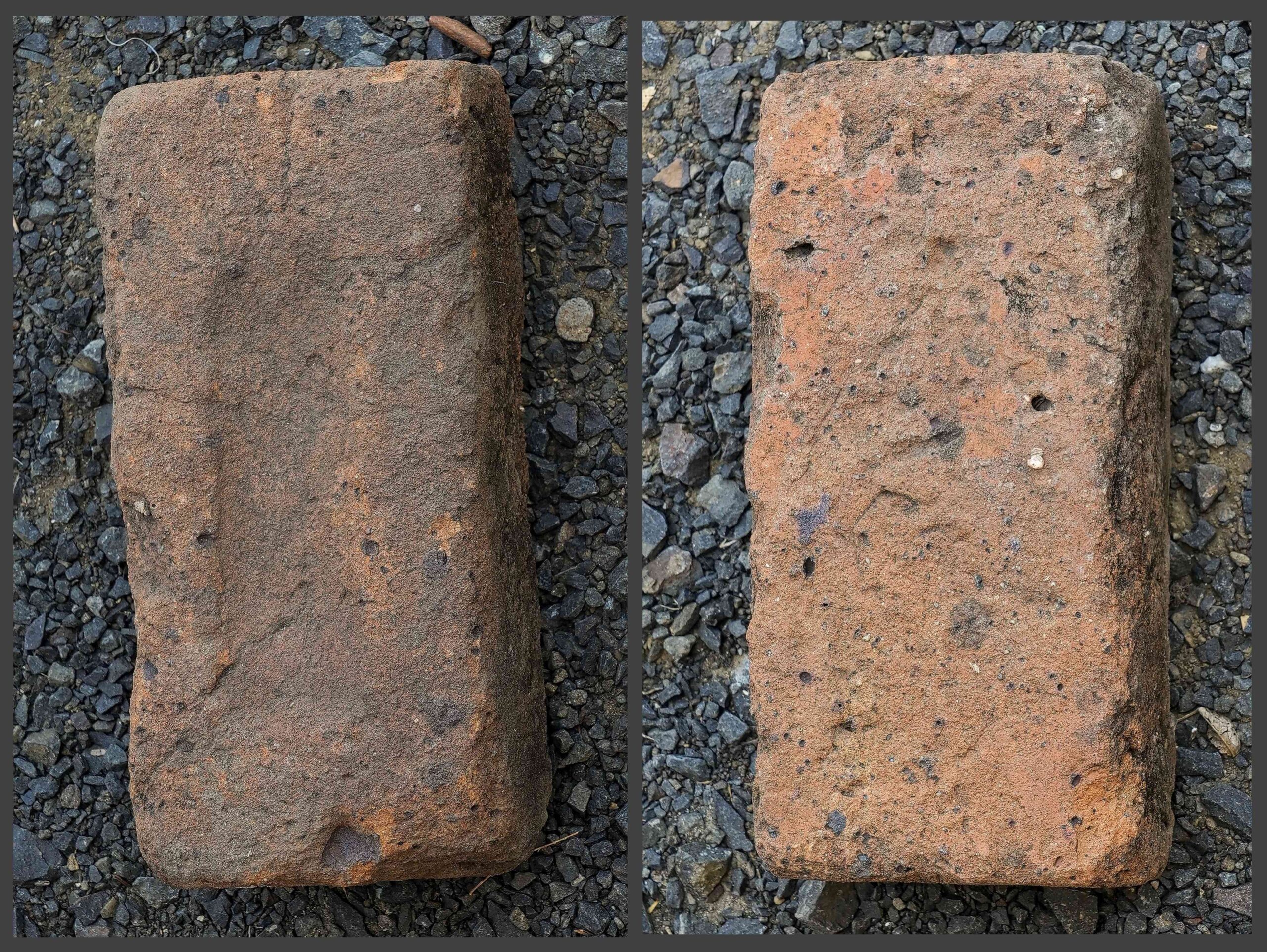
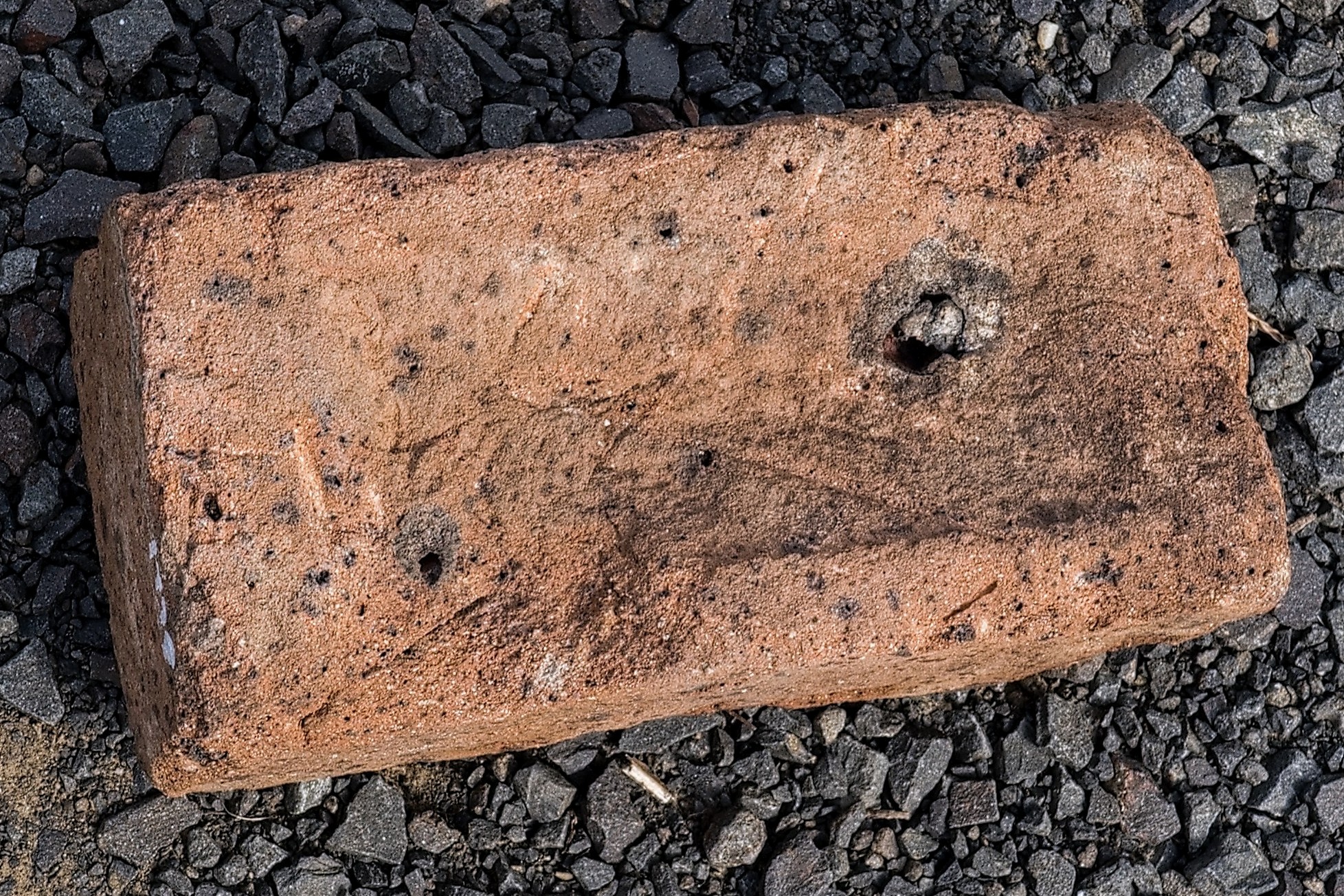
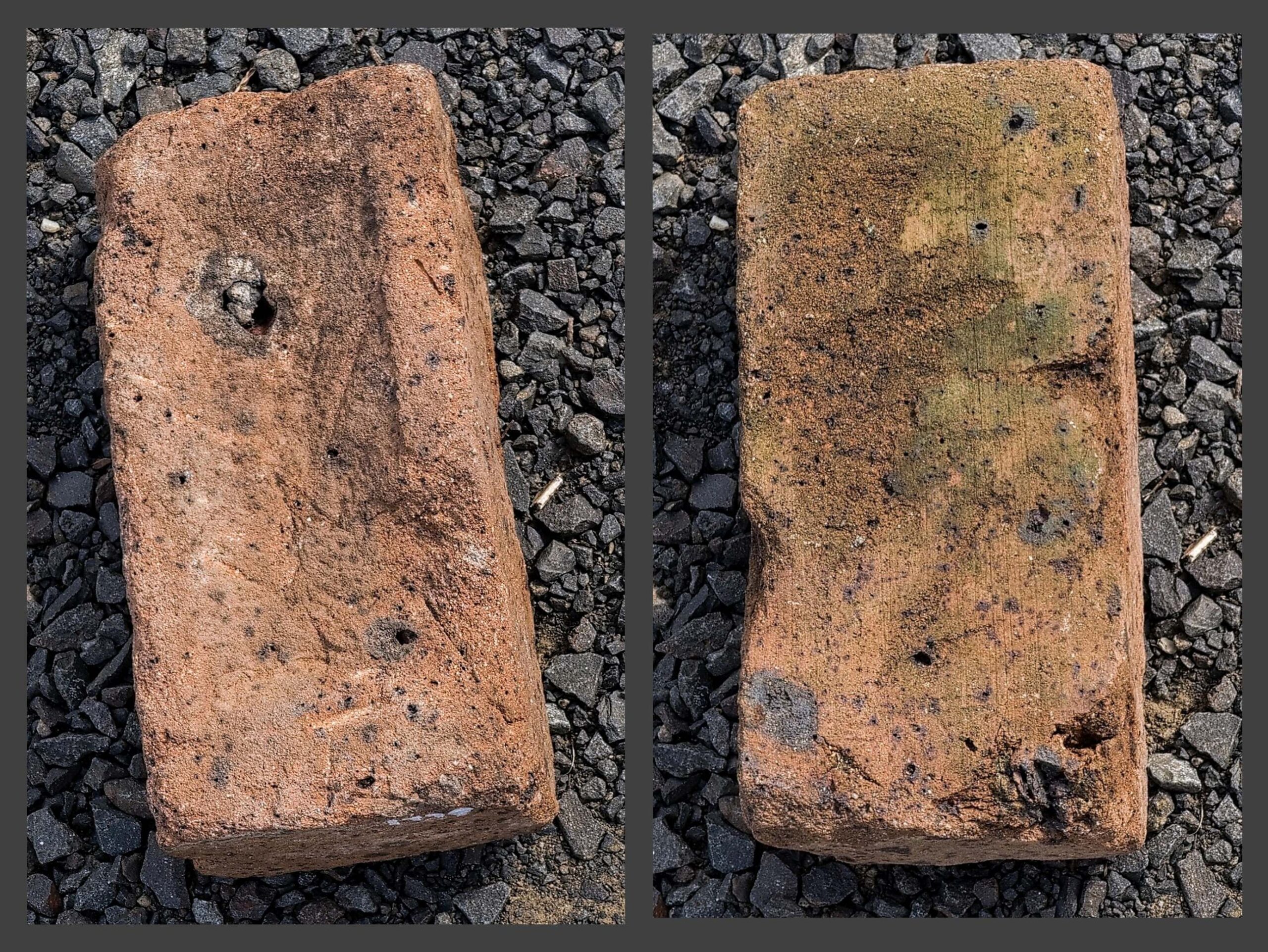
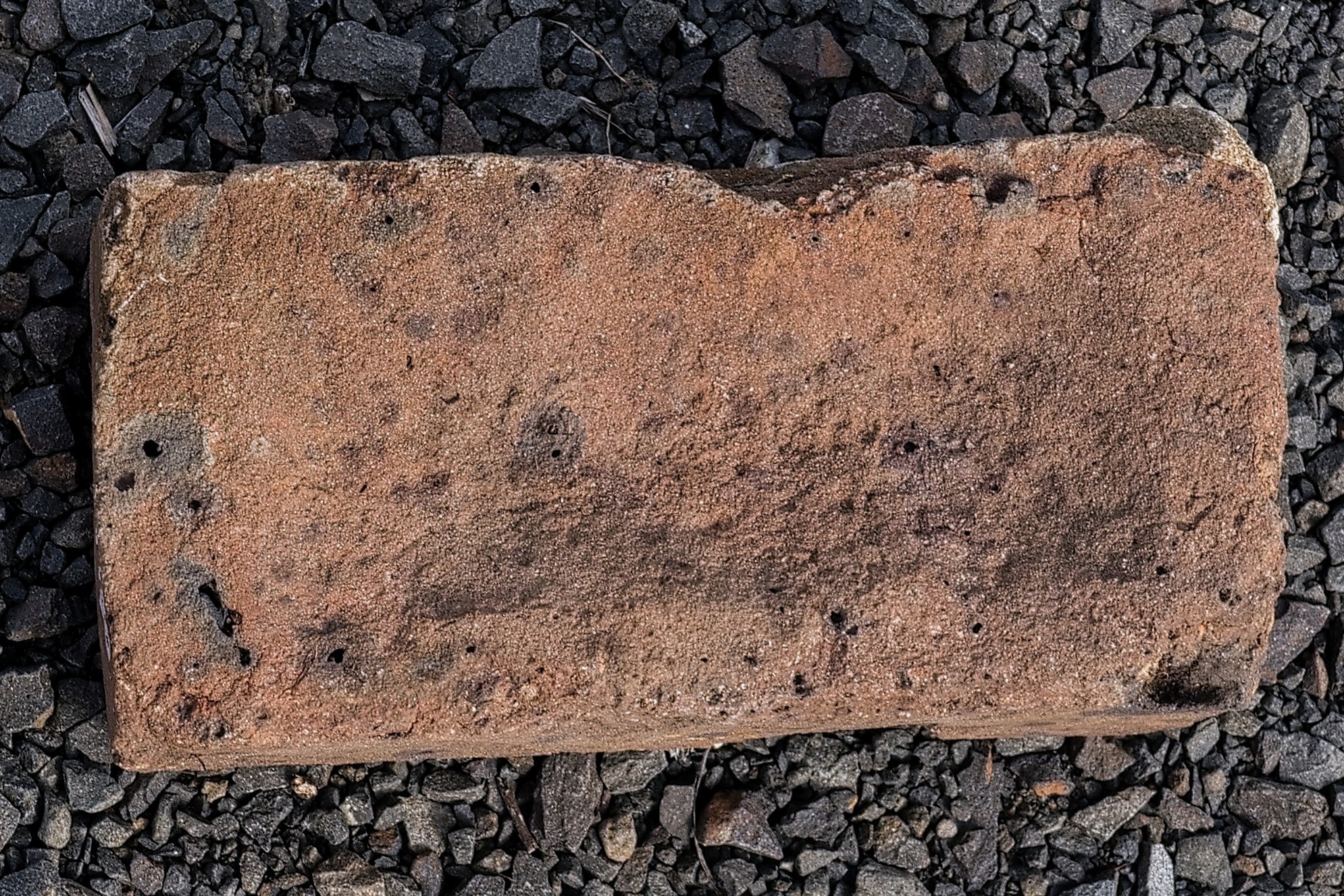
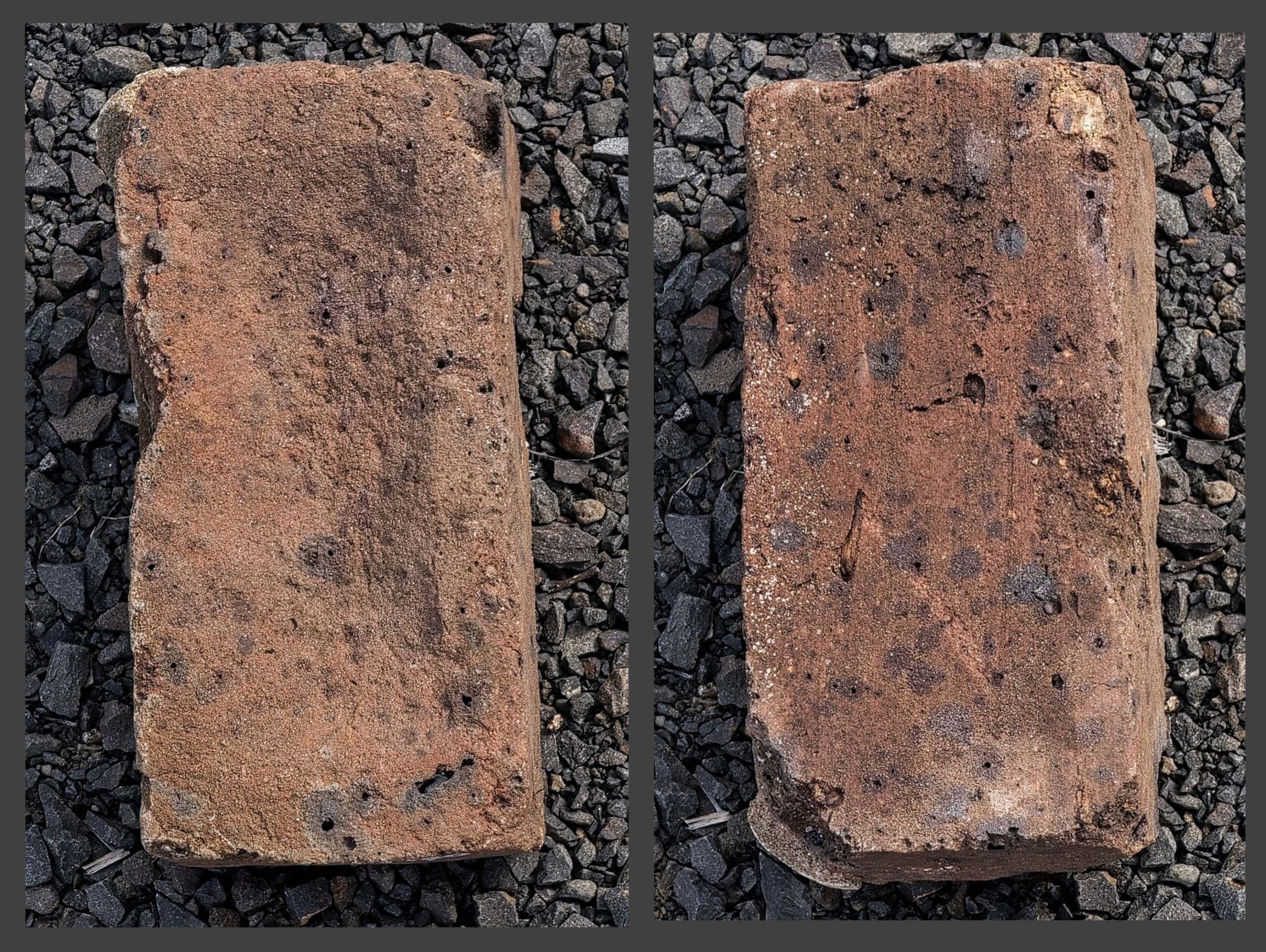
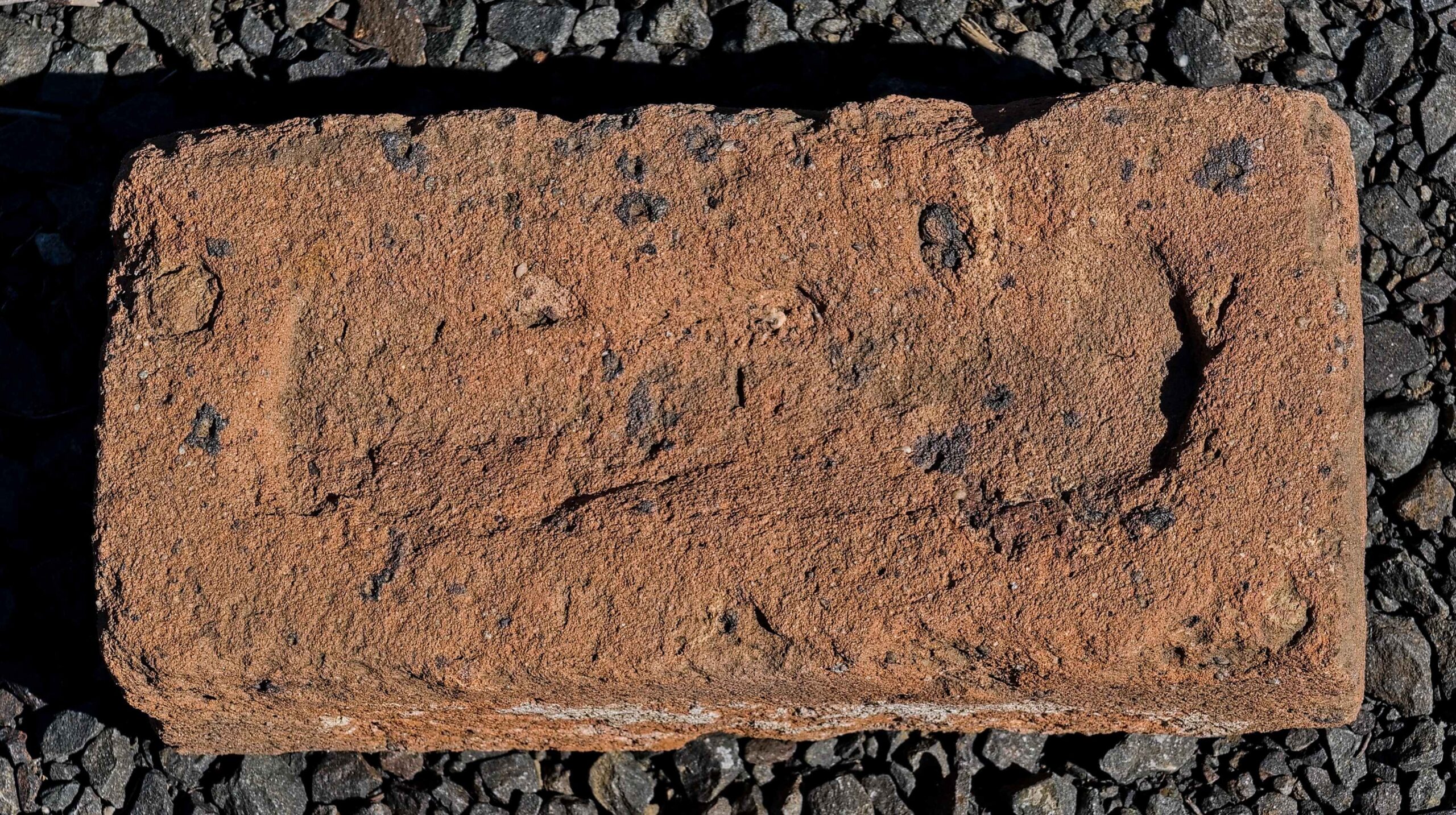
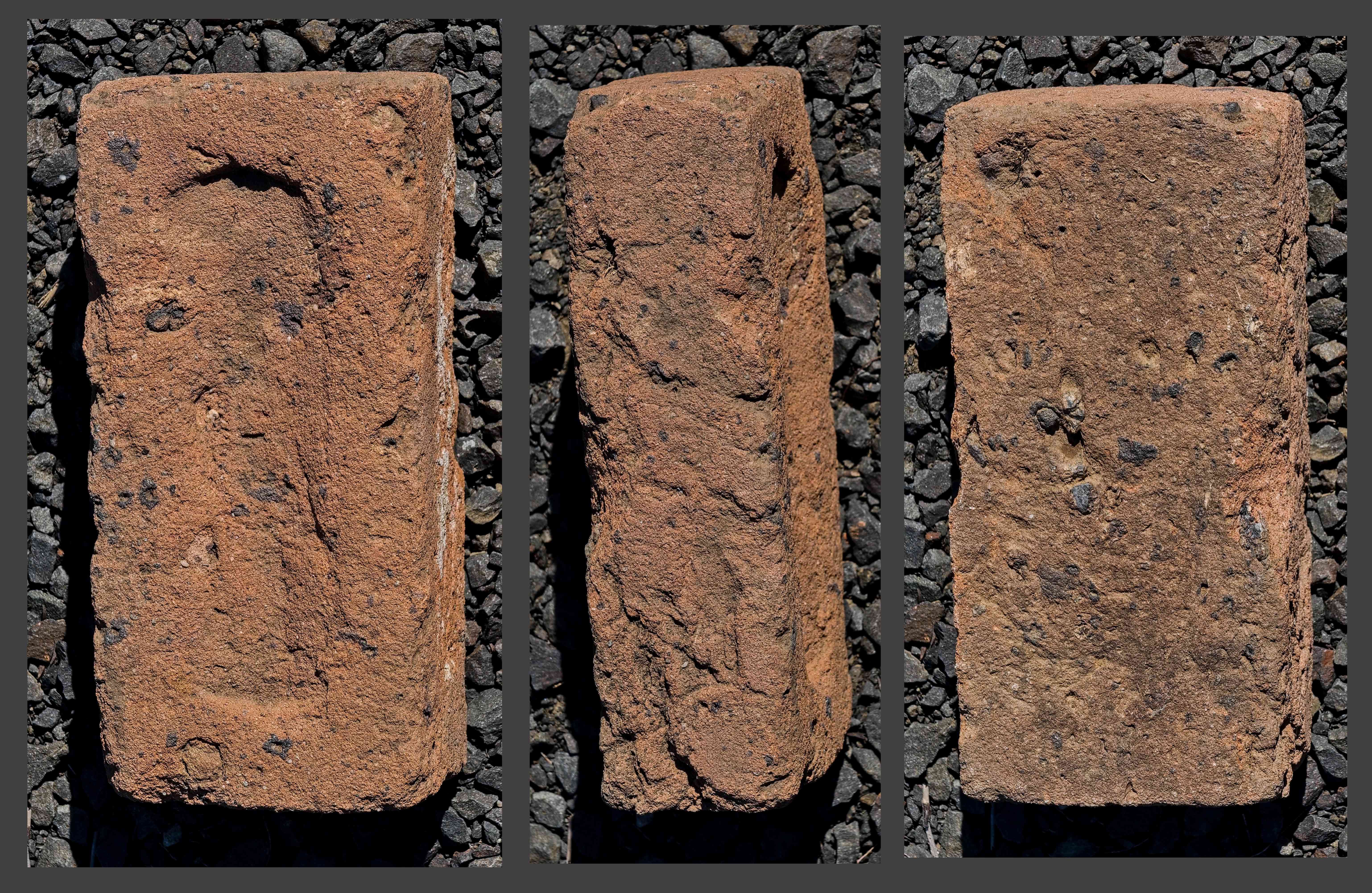
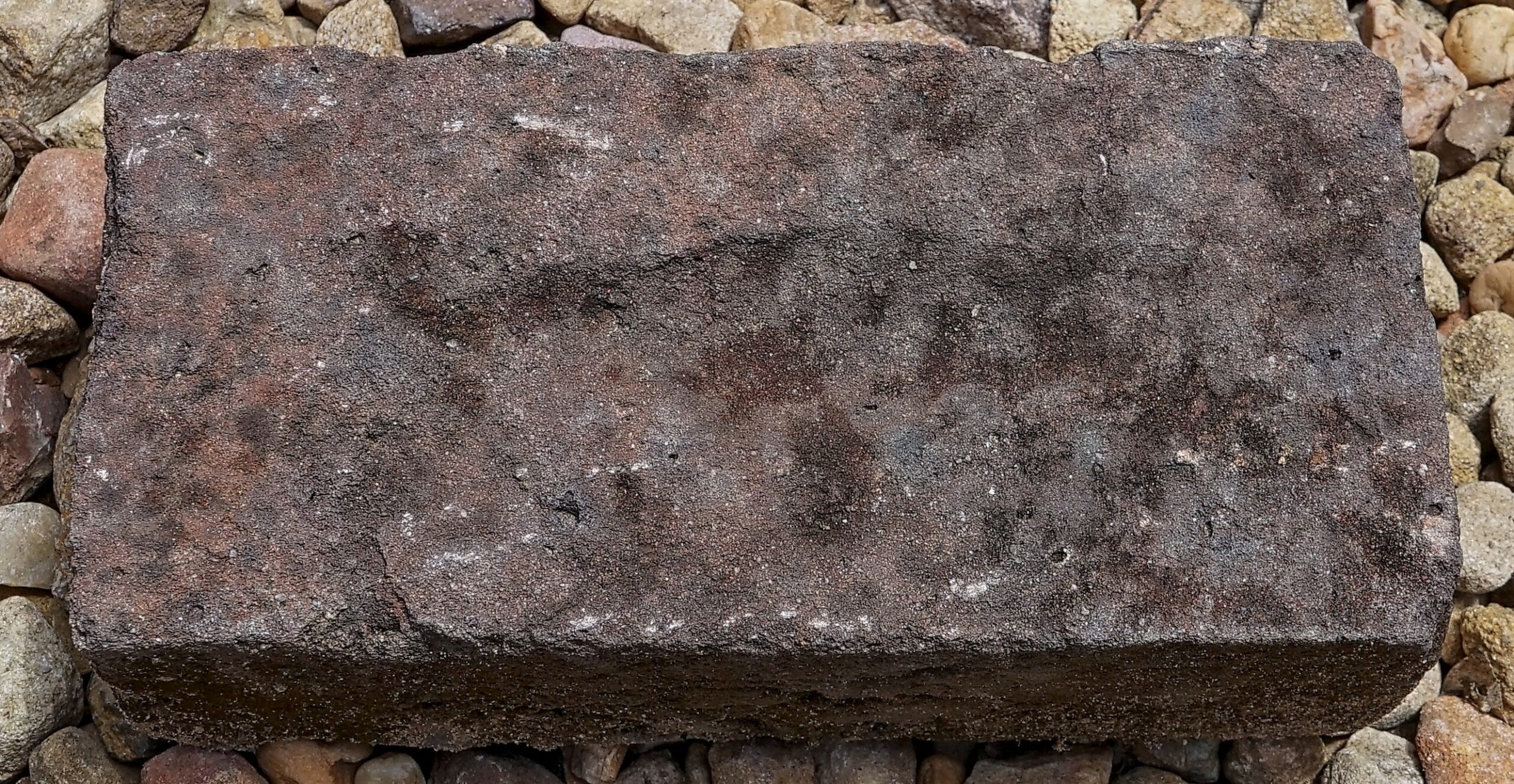
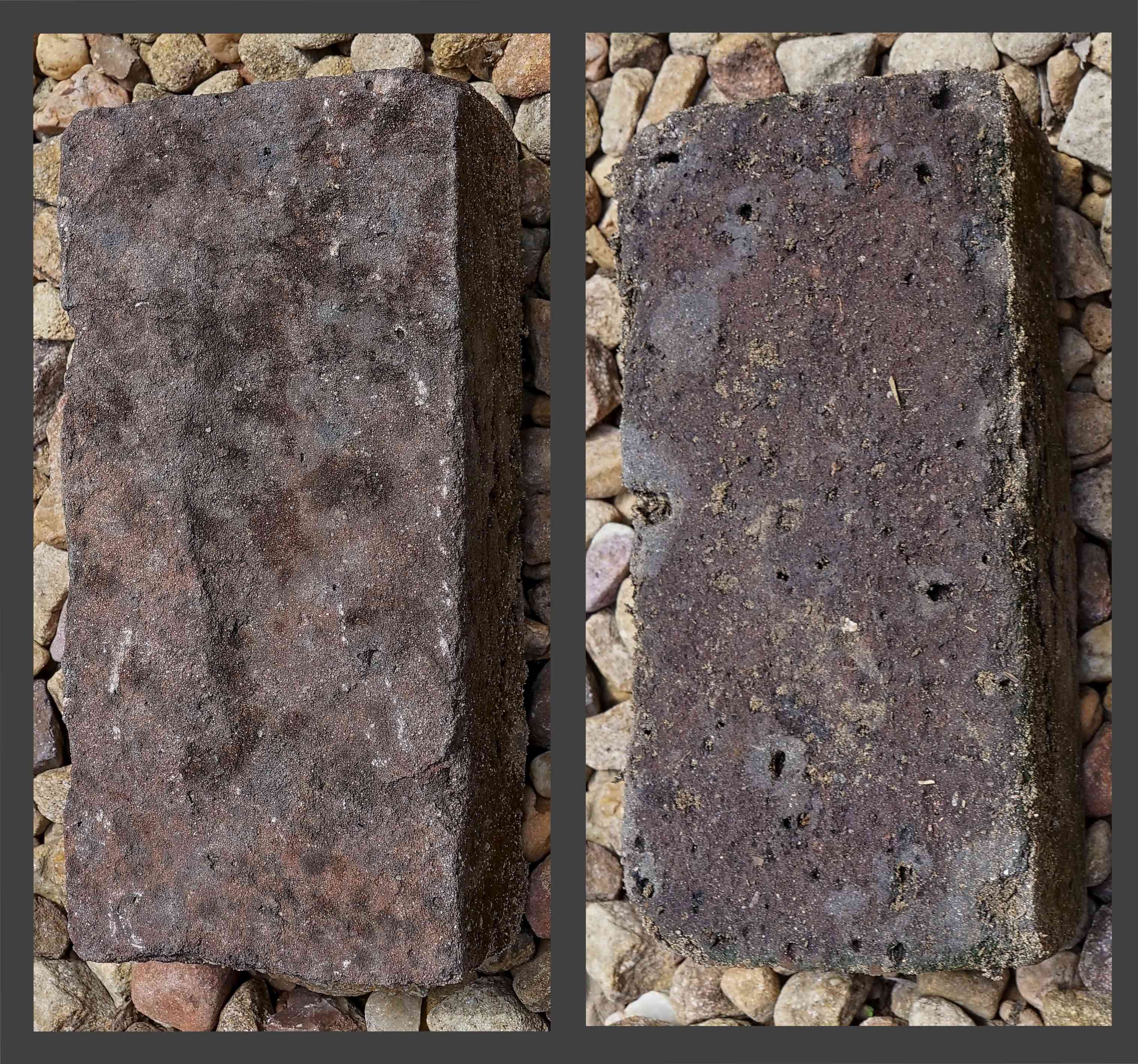
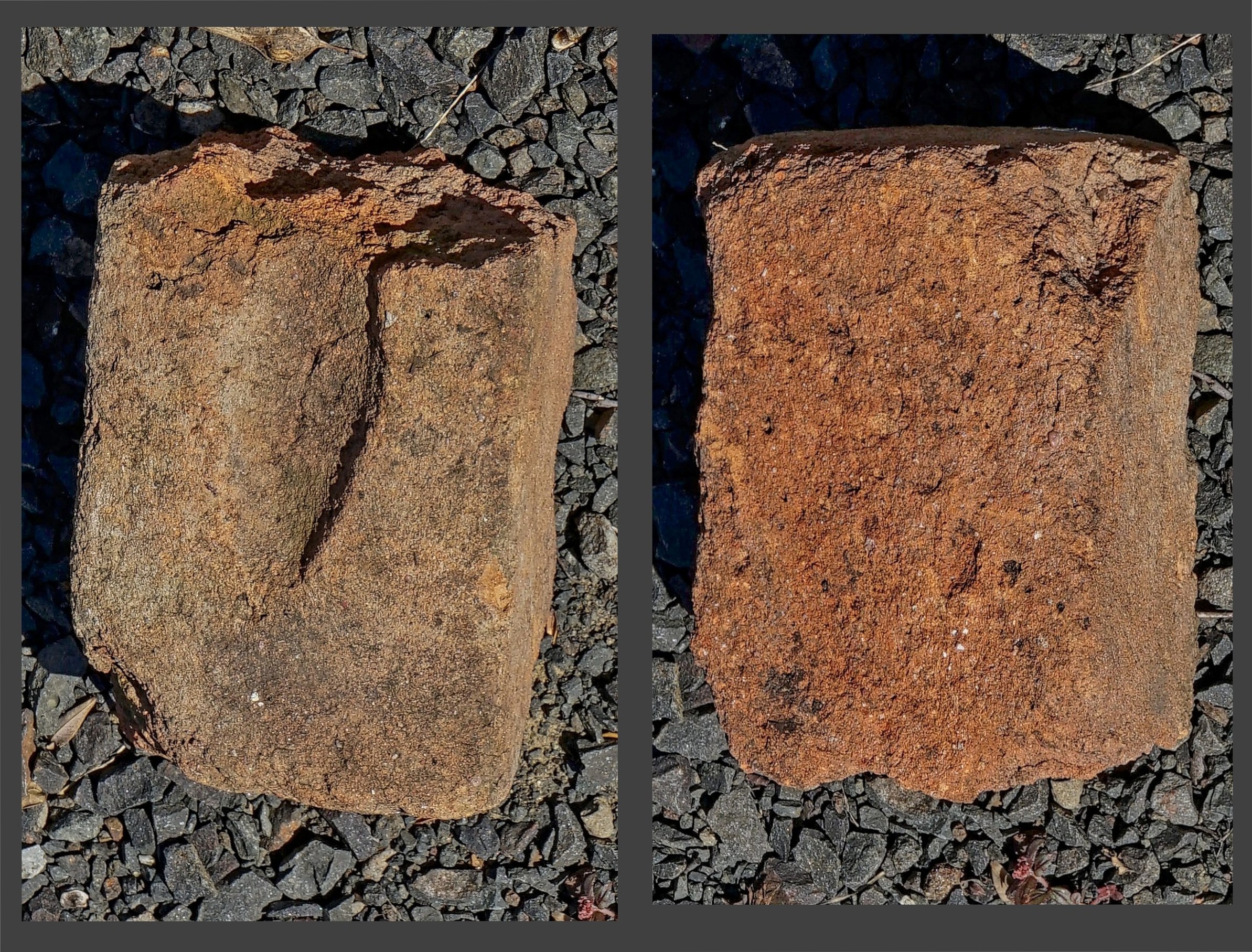
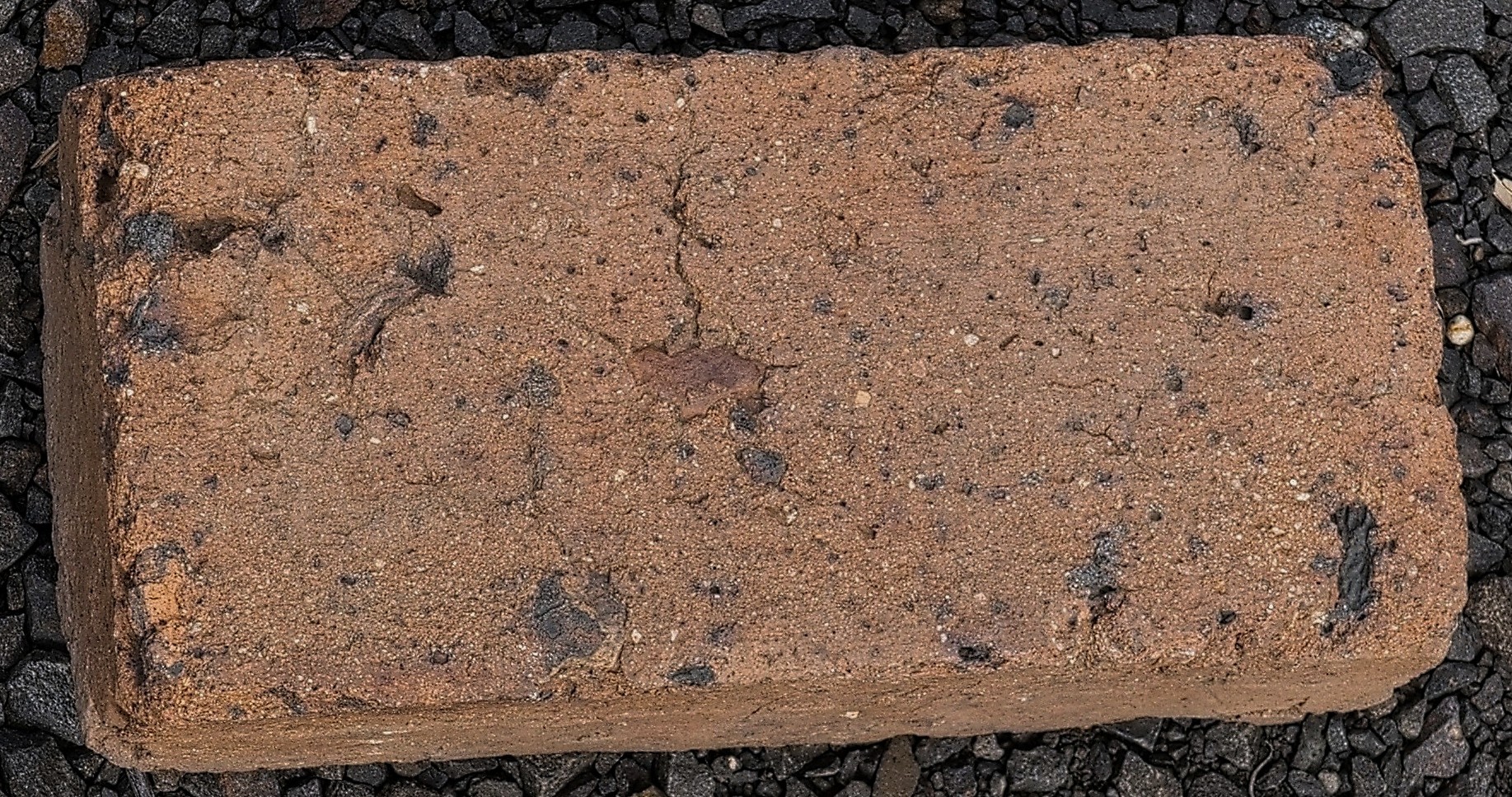
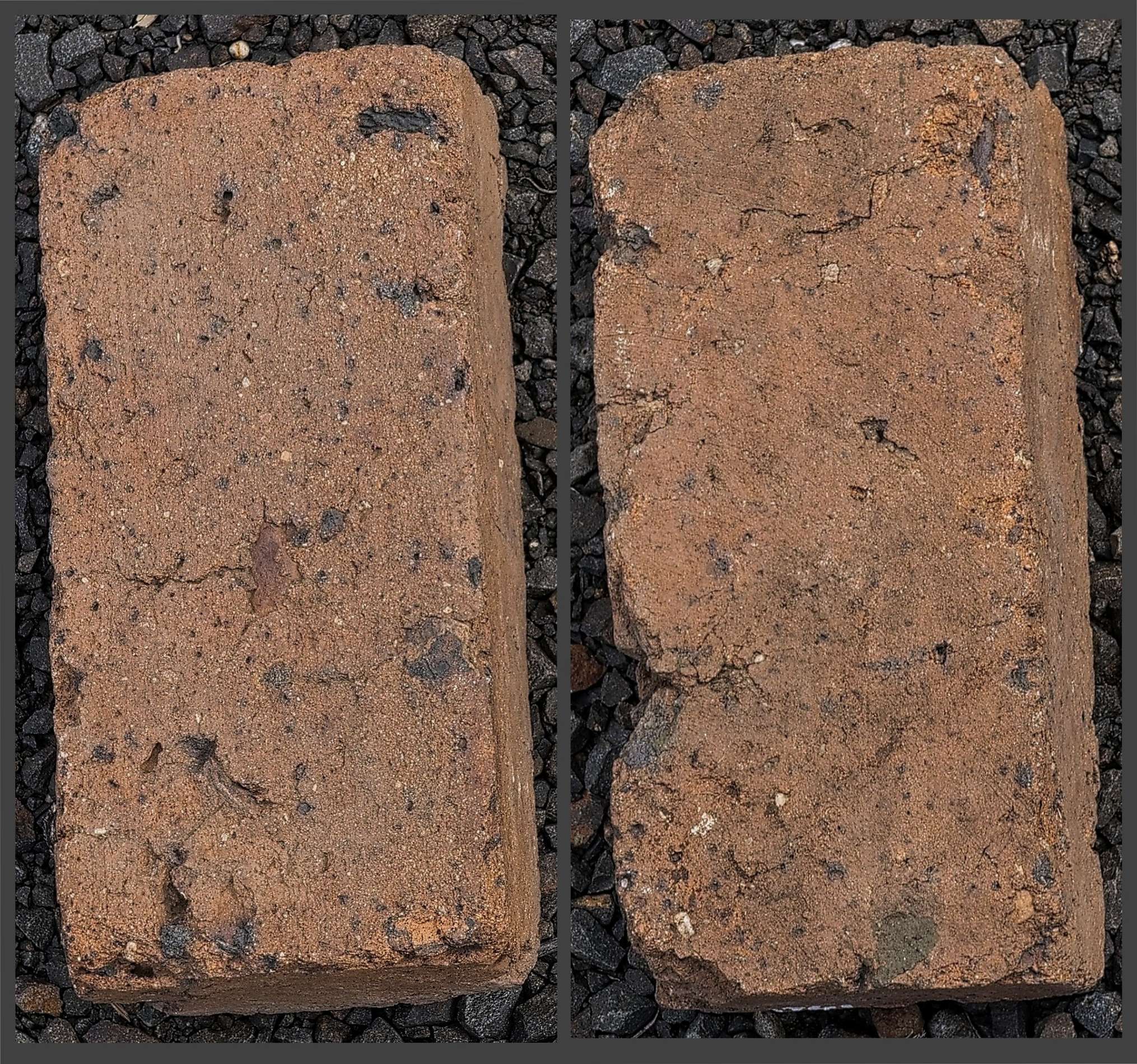
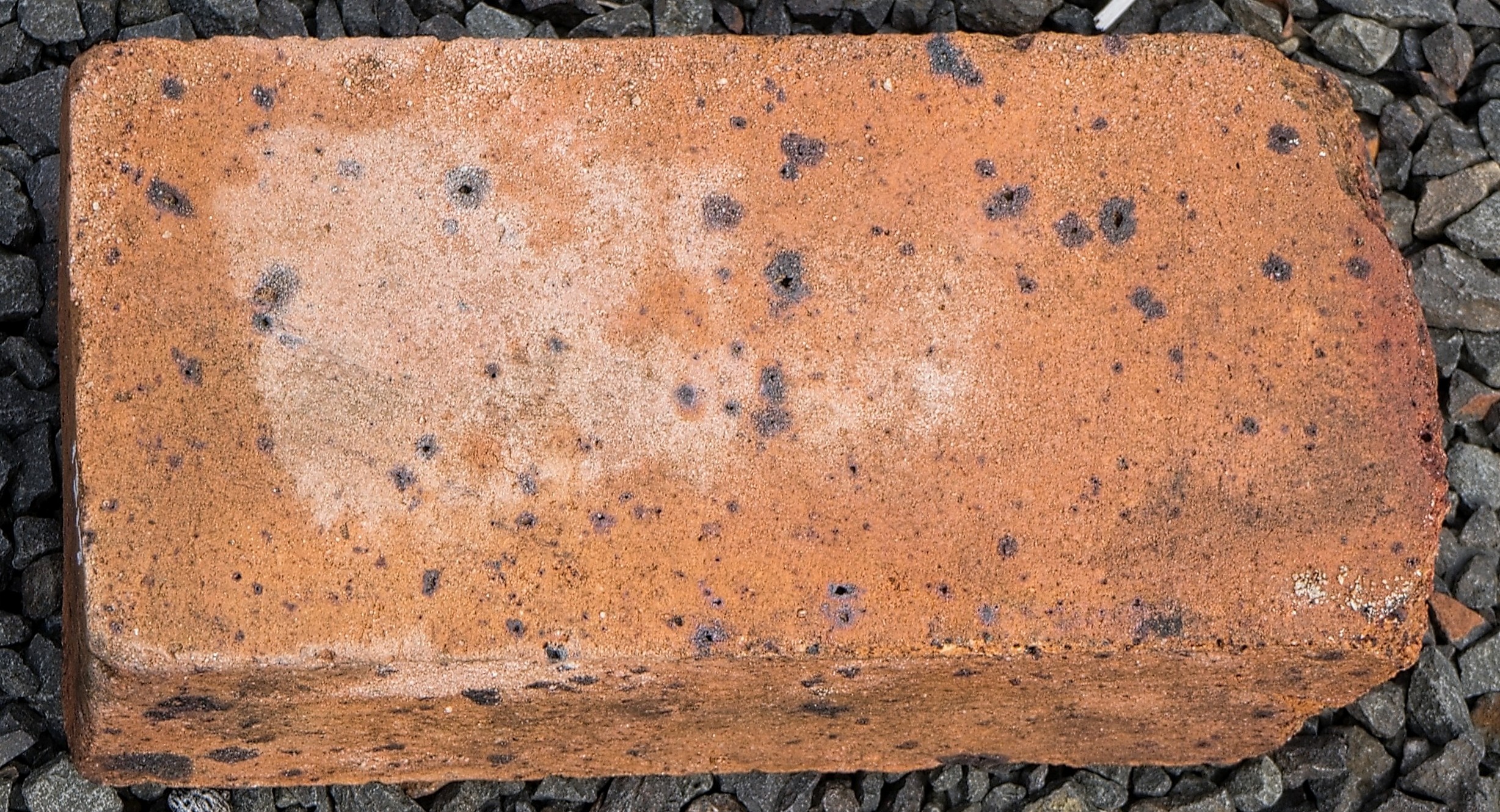
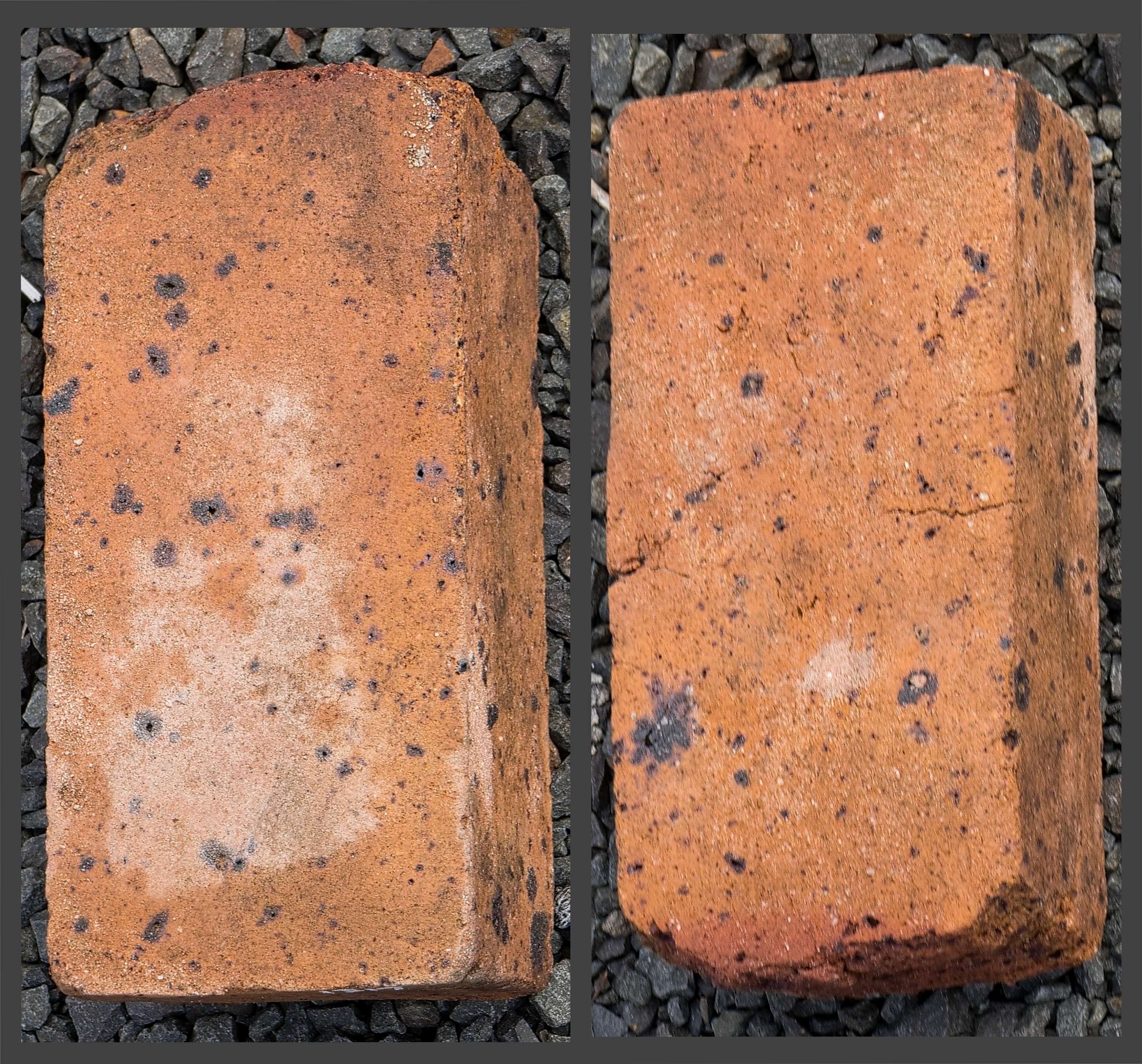
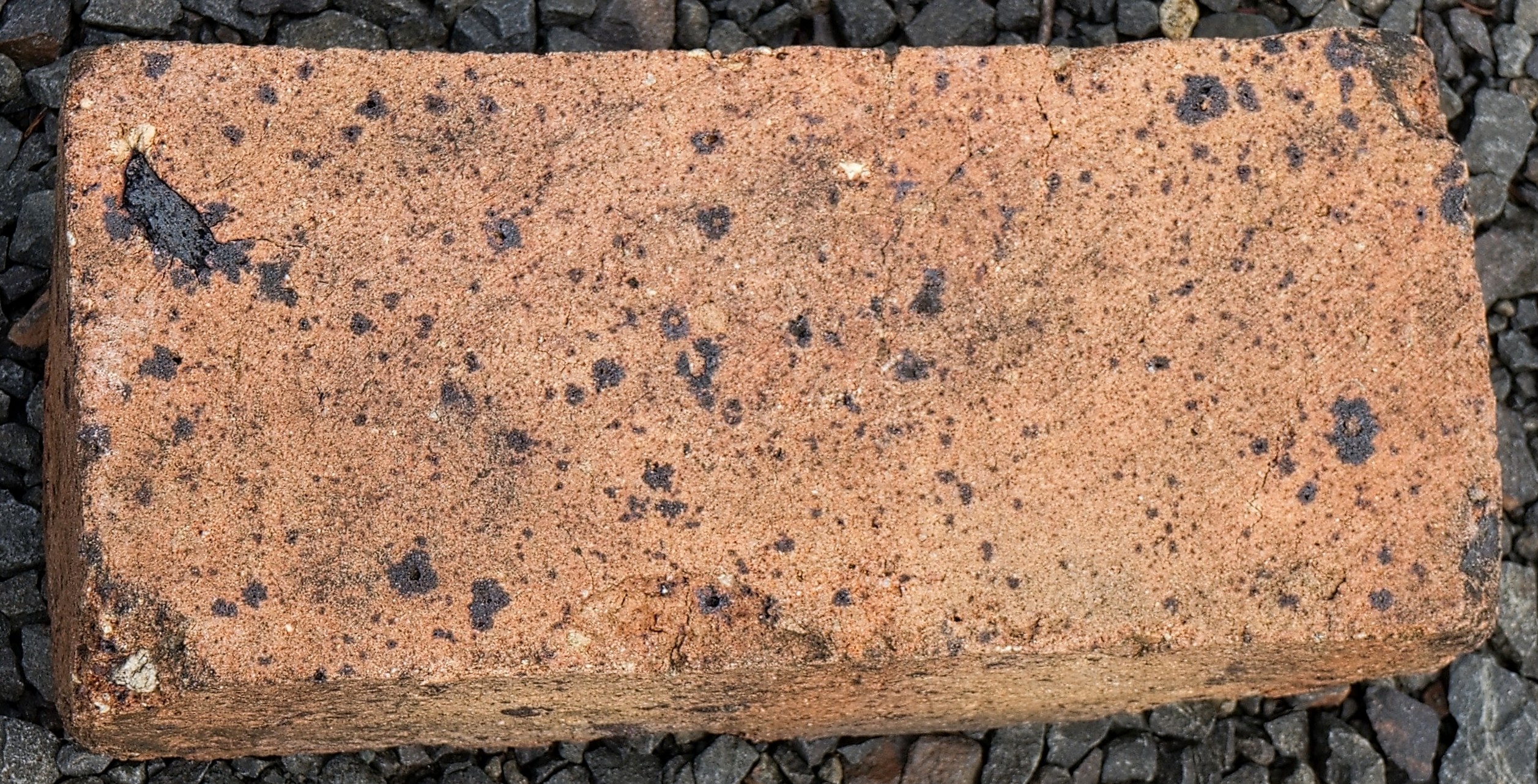
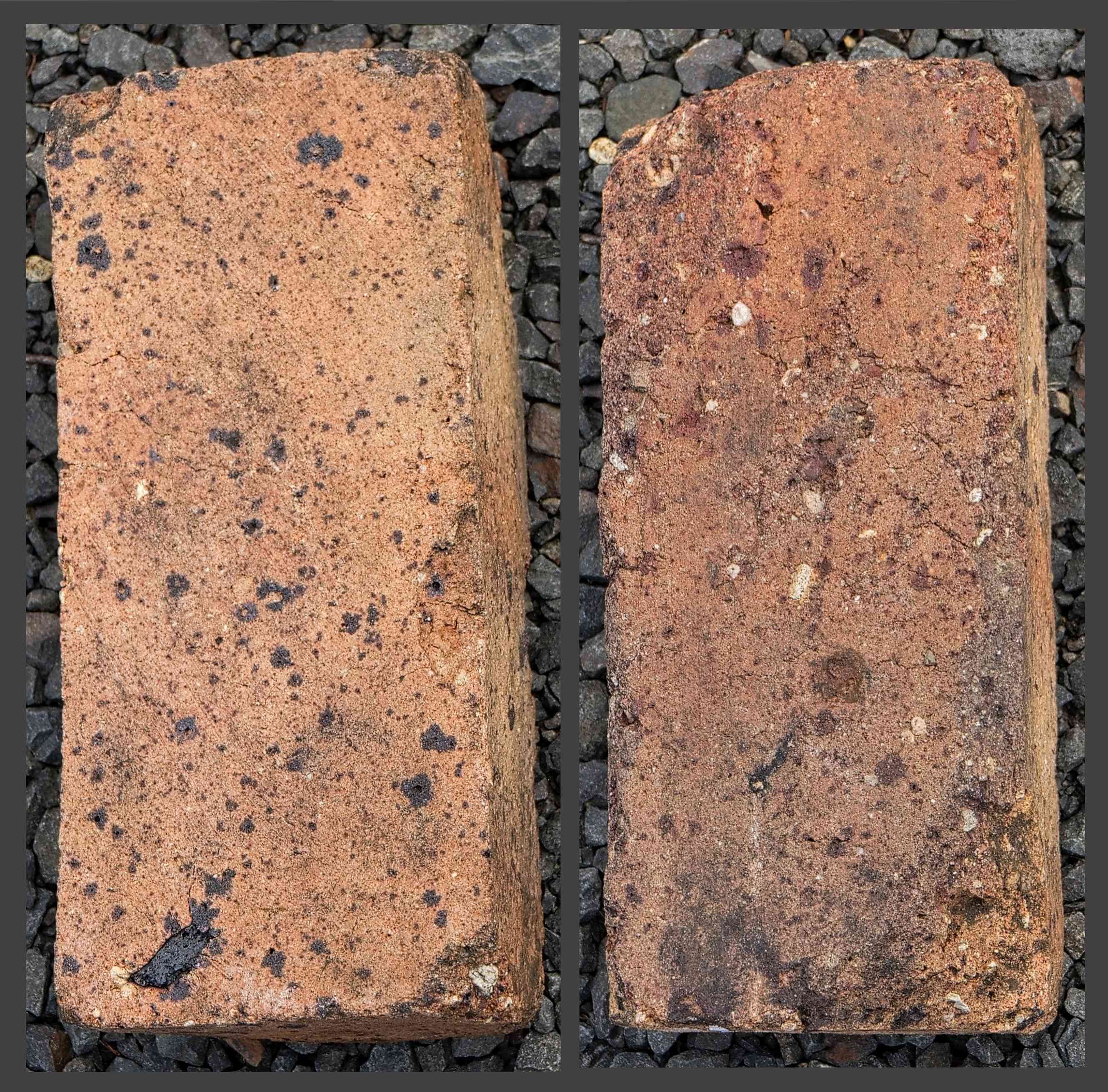
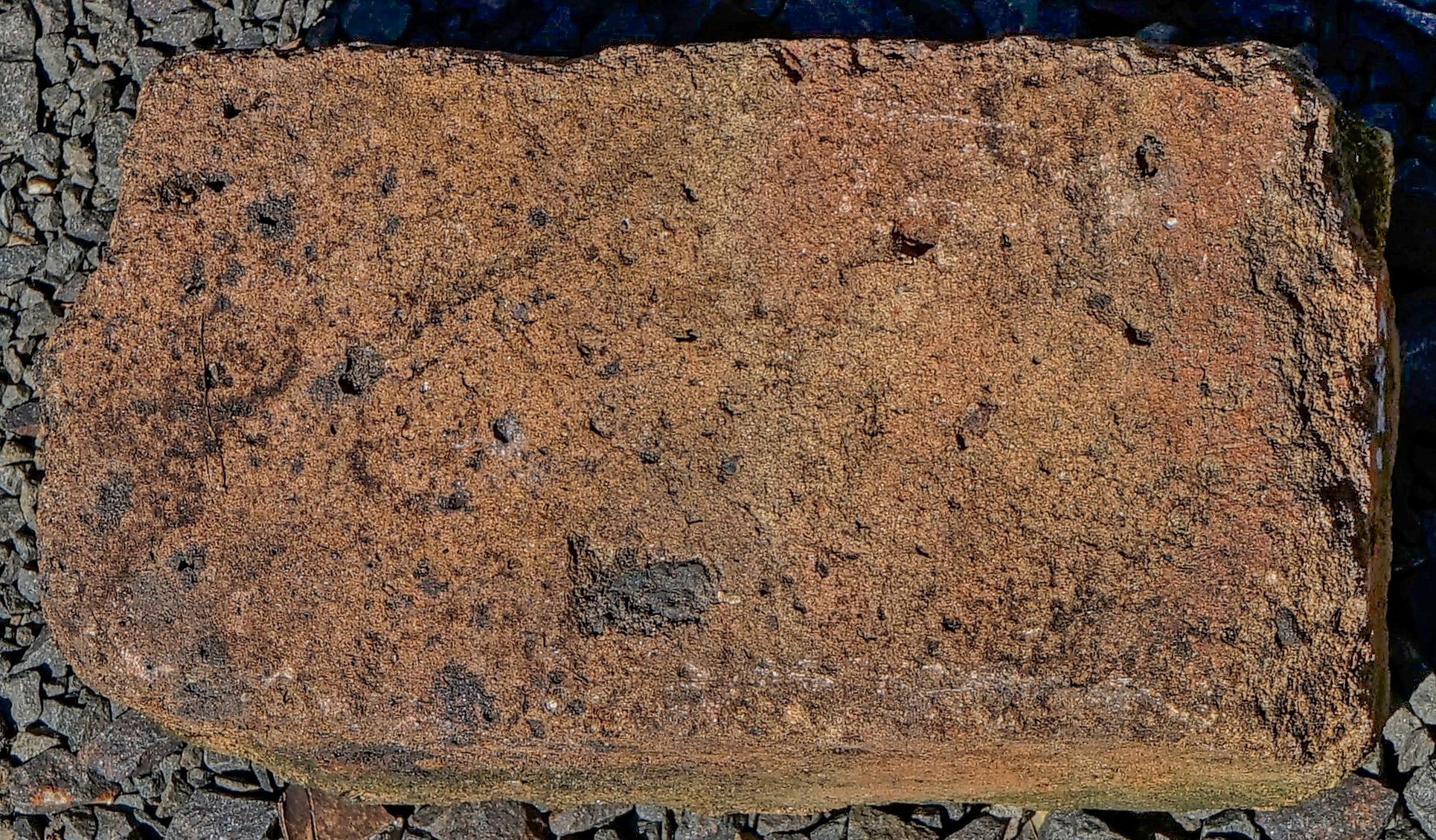
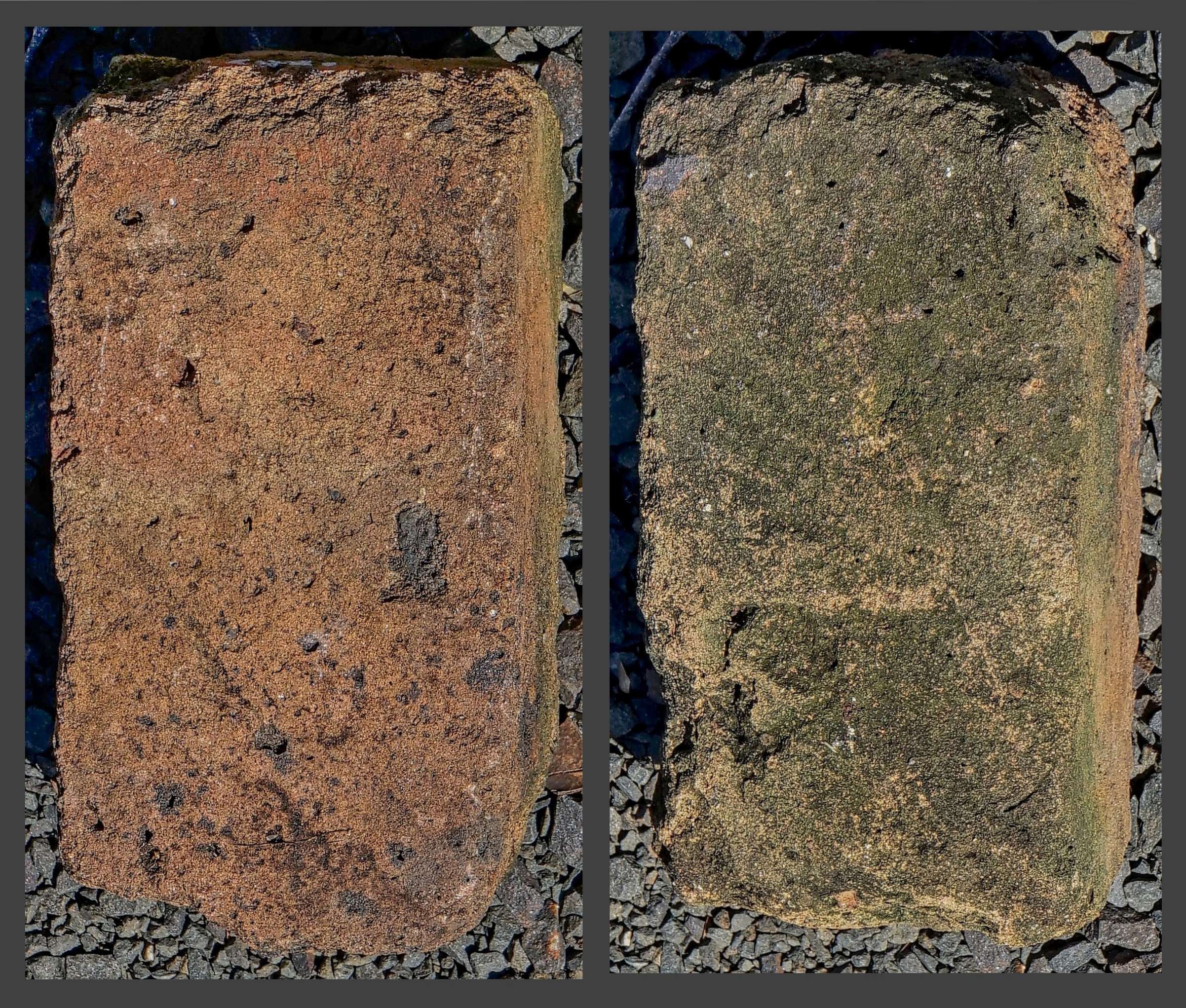
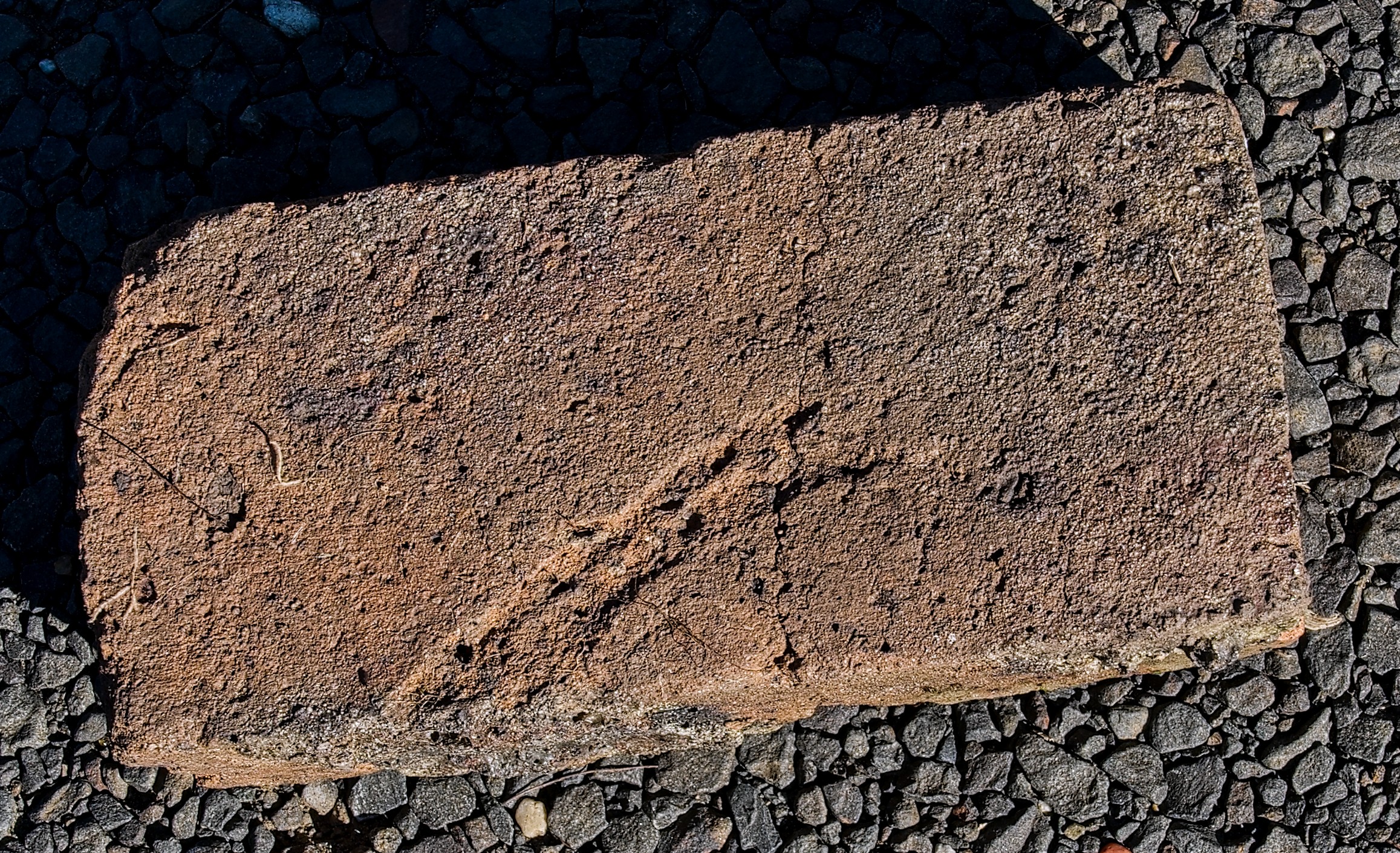
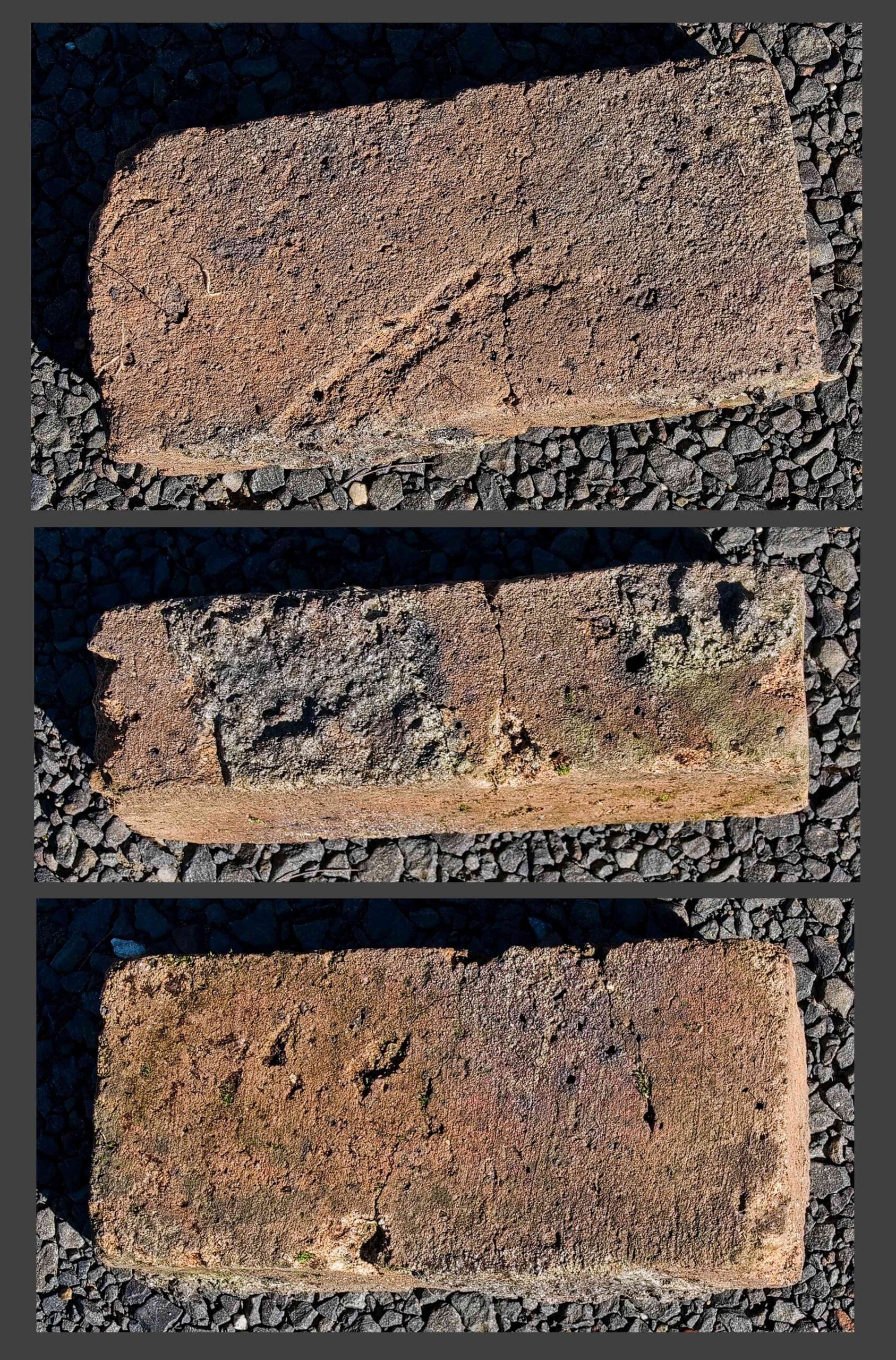
No Frog (Maker Unknown)
Source: Unknown
Location: Ipswich Historical Society Collection
Location: My Collection
Source: Residence, Bergin Street, Booval.
Source: Residence, Northcote Street, Booval.
Location: My Collection
Source: Bremer Bank; Riverlink West.
Location: My Collection
Source: Bremer Bank; Riverlink West.
Location: My Collection
Source: Donnybrook Colliery Area.
Location: My Collection
Undersized Brick. Possibly a Kiln Brick.
Source: Greasley Street, Tivoli.
Location: My Collection.
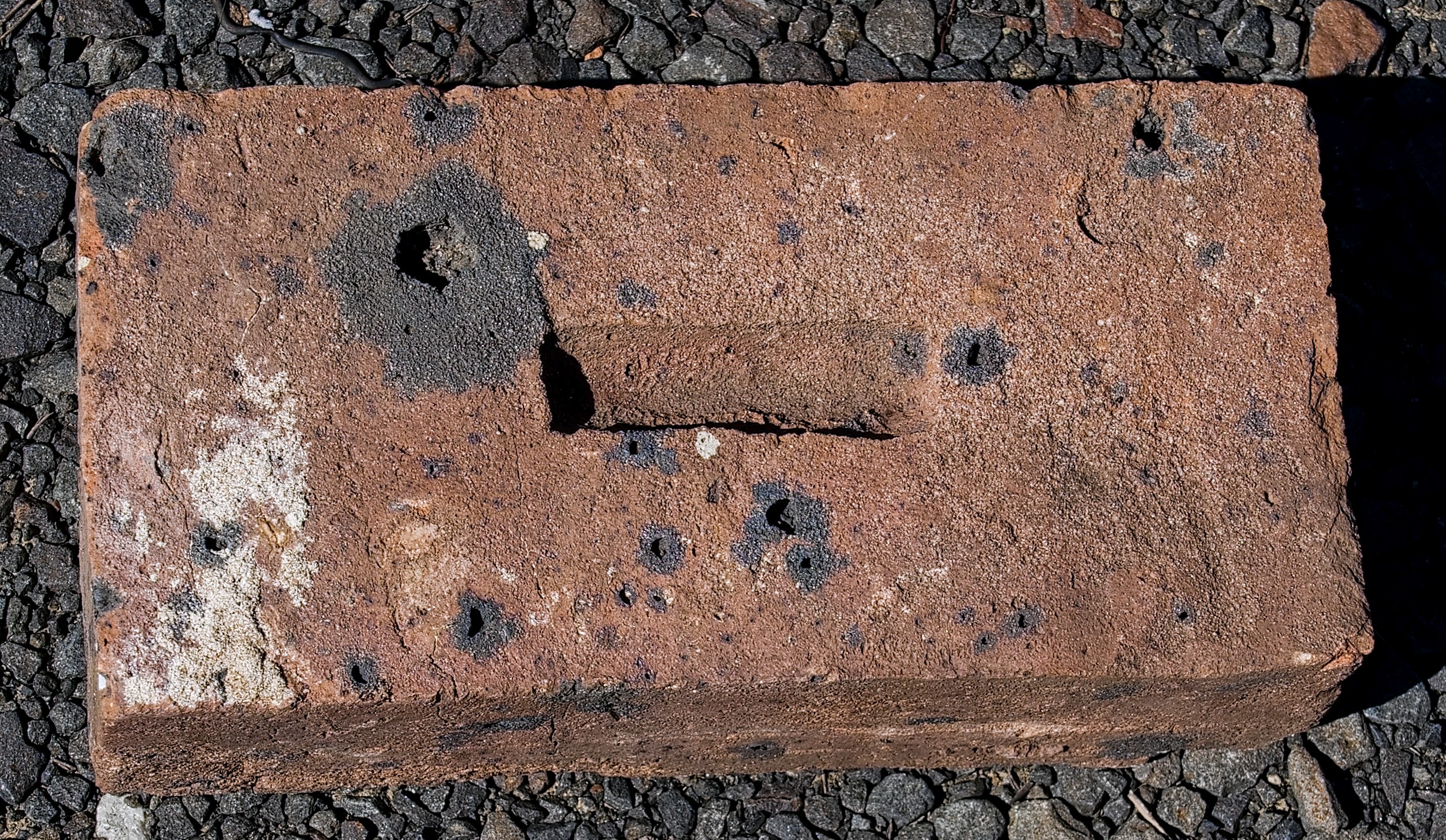
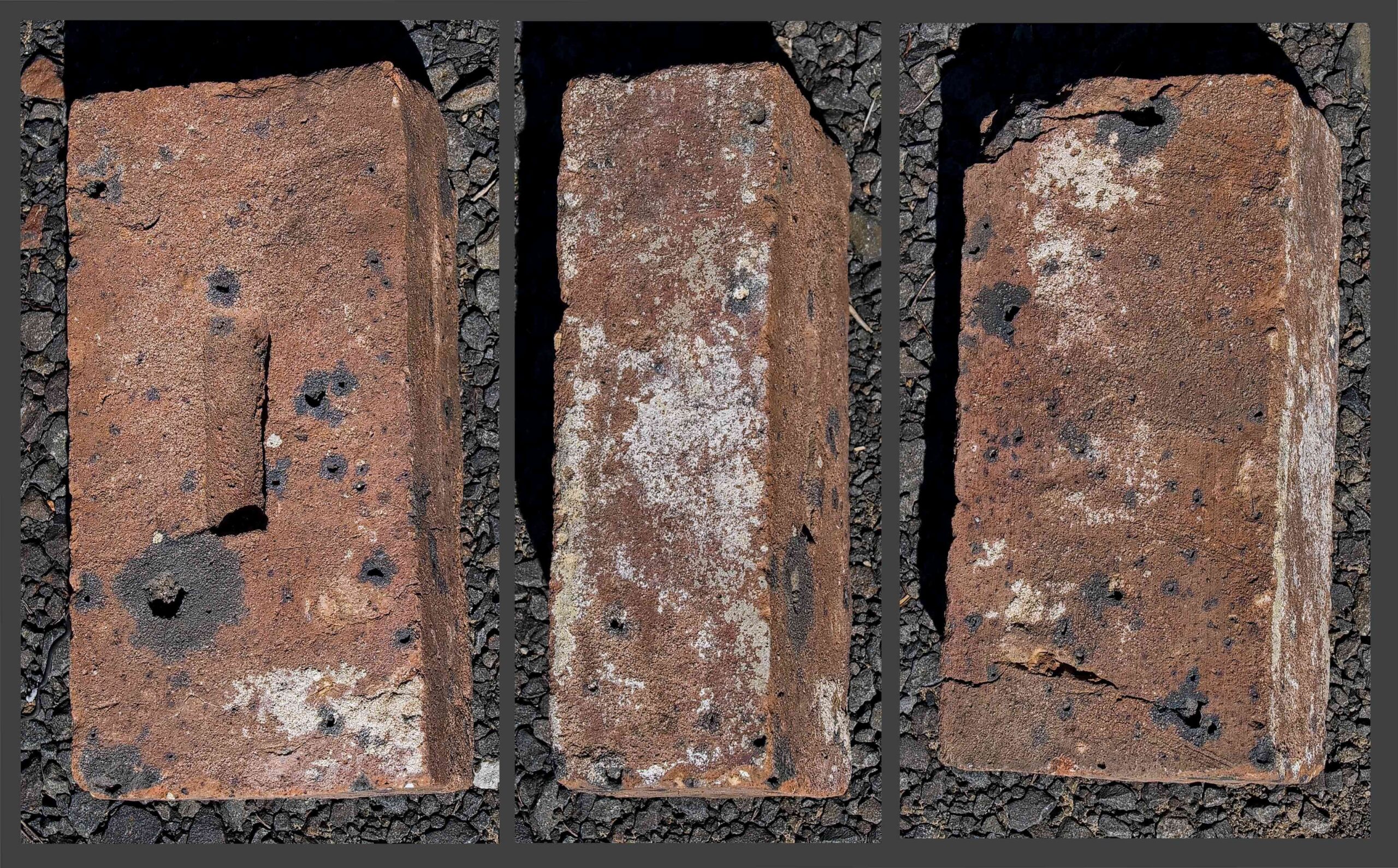
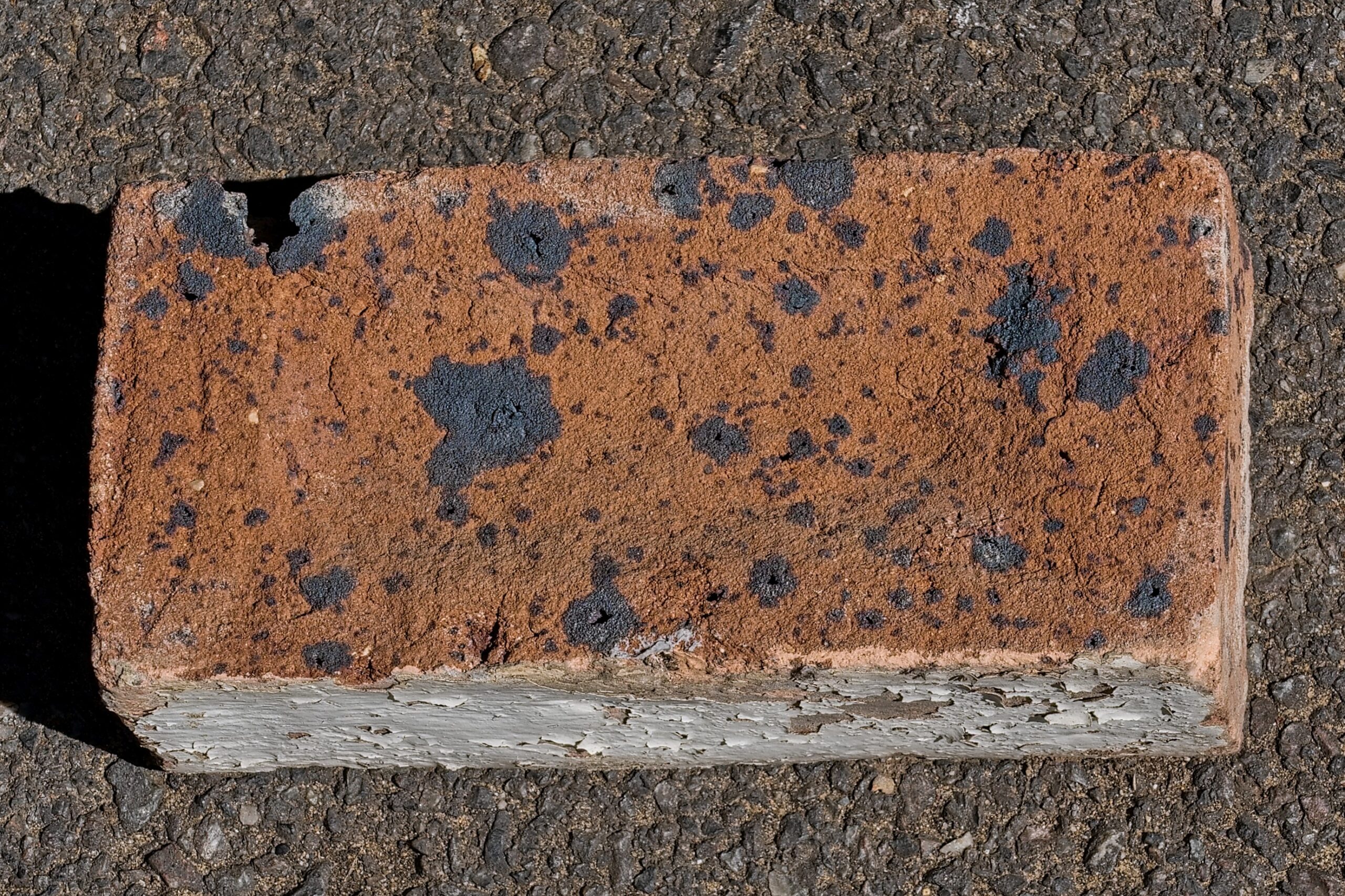
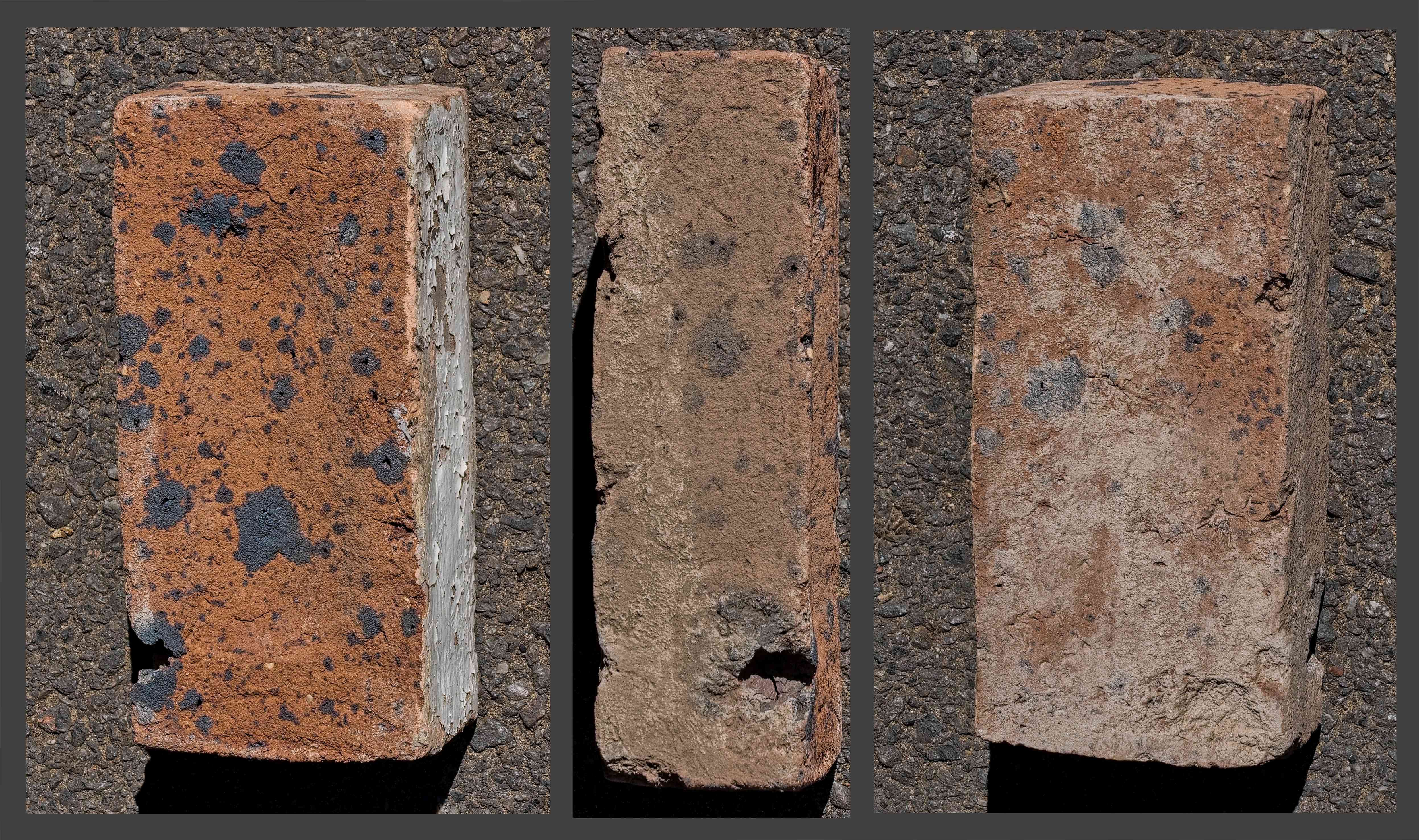
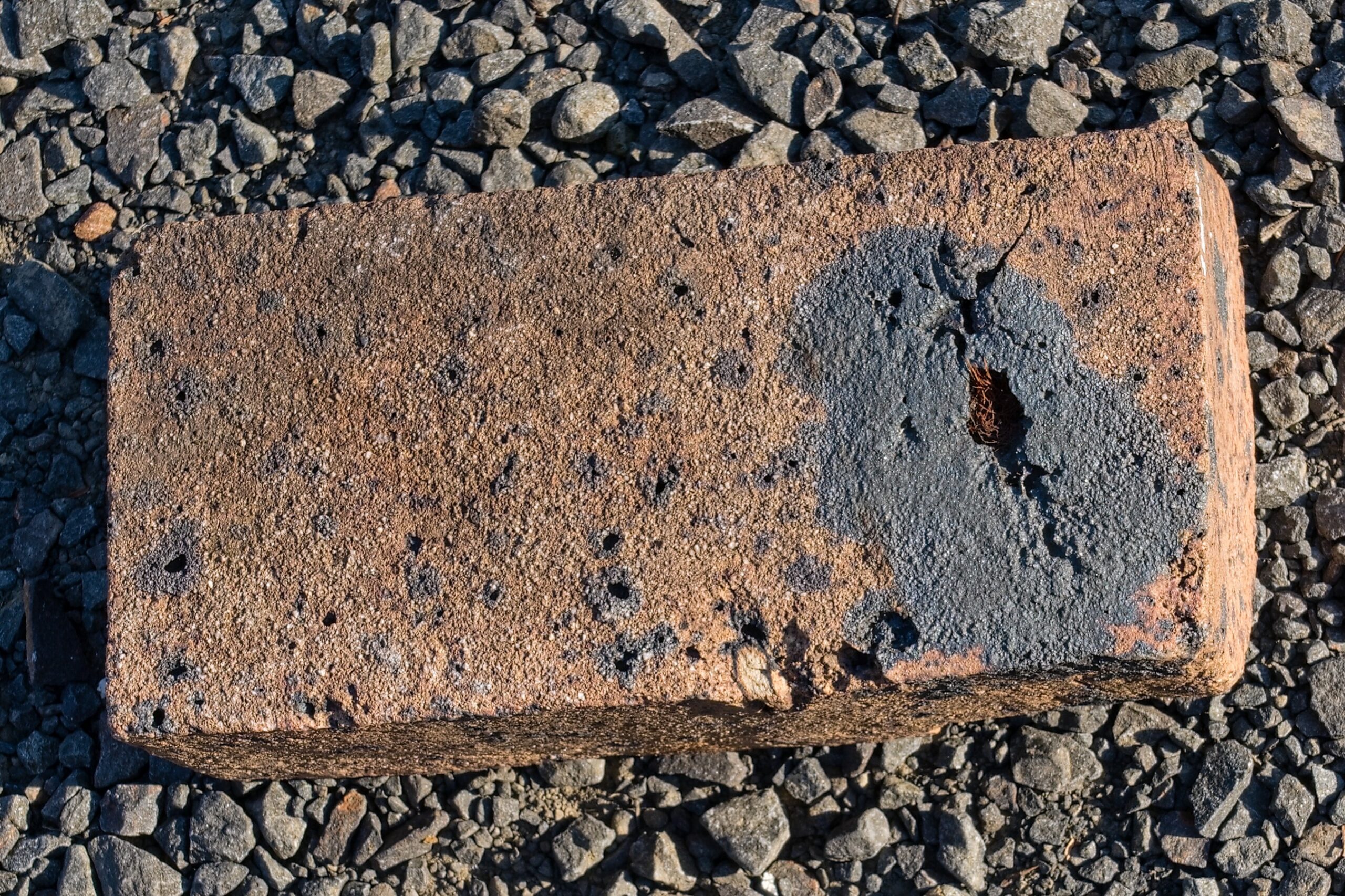
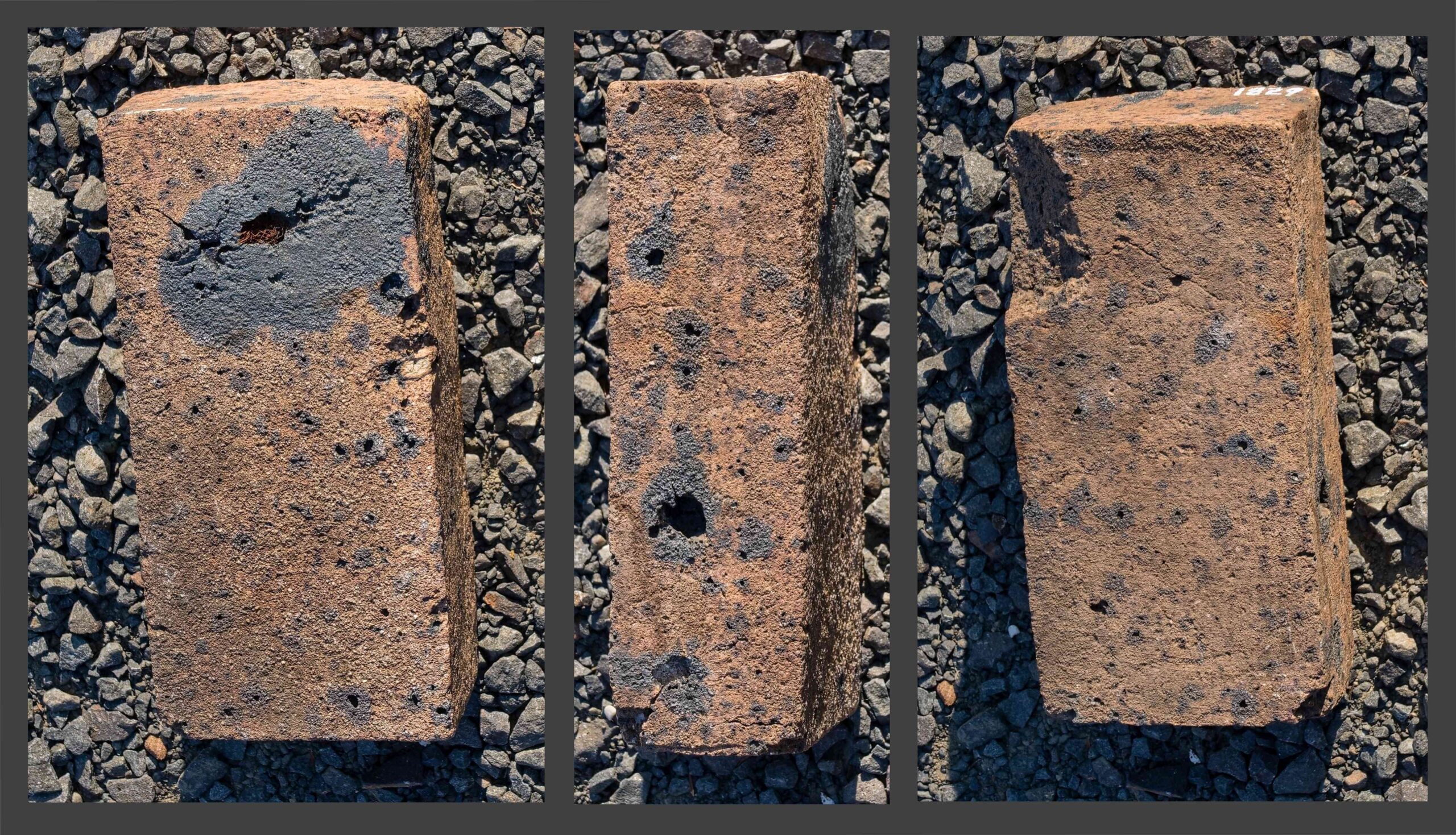
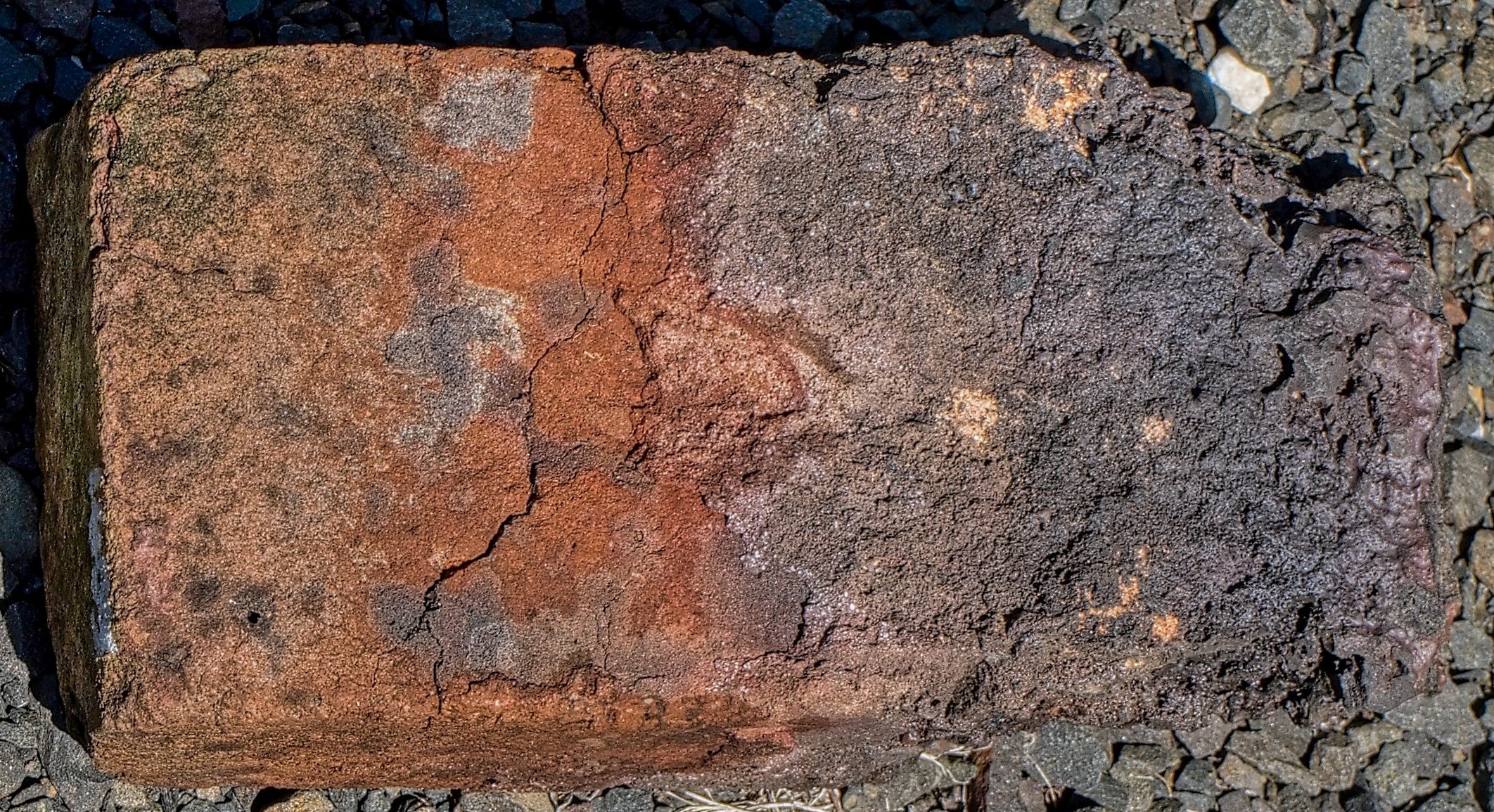
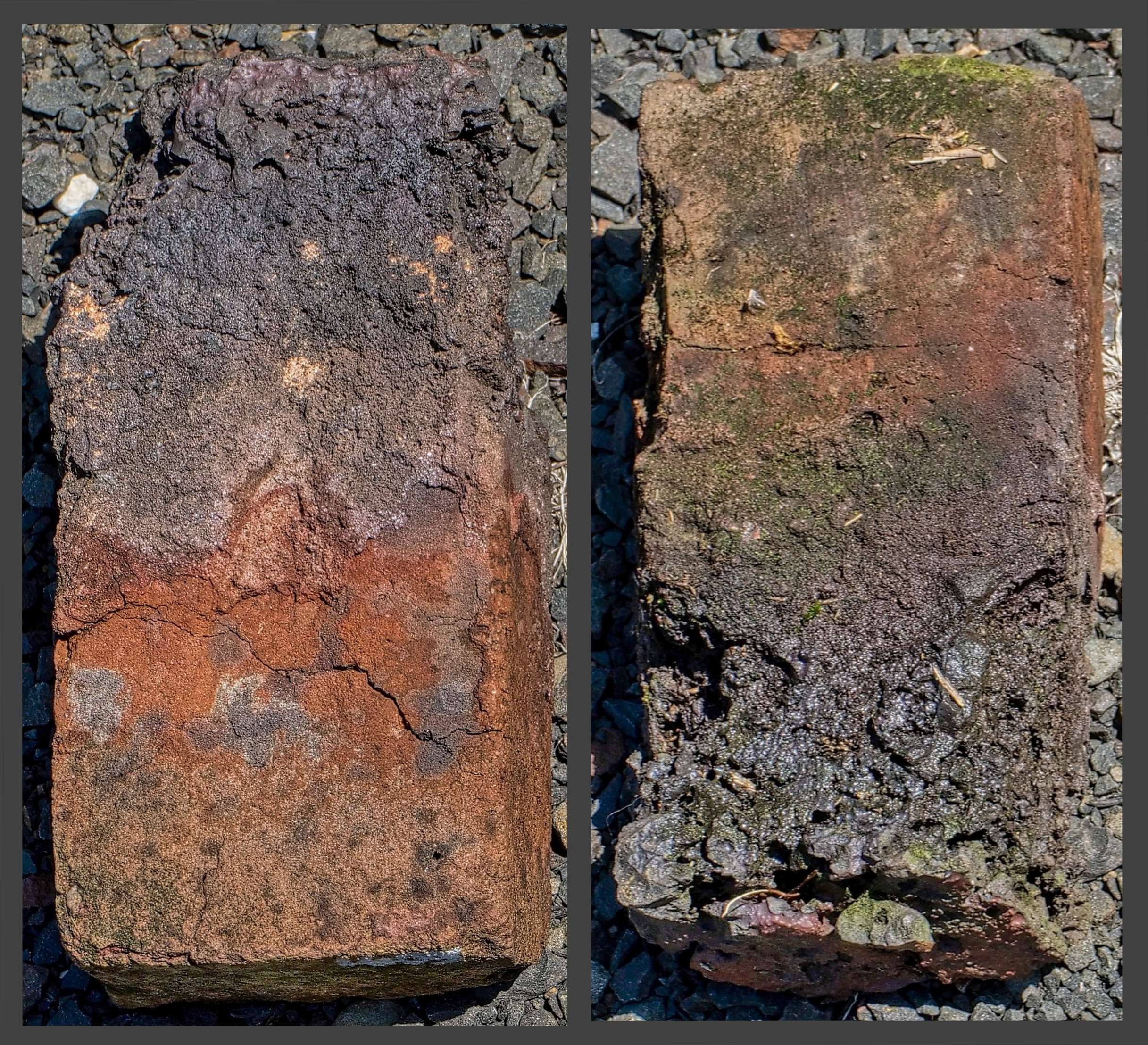
Partly-Molten Kiln Brick
Source: Coke Ovens next to Tivoli Yard Site.
Location: My Collection